

One of the first rules of event planning is to secure the venue. Once the venue for an event has been locked in, the date becomes official (think wedding planning) and key planning activities (marketing, etc.) can commence. However, what happens if a date has already been secured, but there is no venue?
For an event owner in need of a tournament venue, it’s not outside the realm of possibility. Contingency planning accounts for potential accidental double-bookings, the possibility that a catastrophe strikes and makes the facility unusable or that interest is such that an additional venue, proximate to the original, is necessary. Occasionally, an event organizer may wish to capitalize on a larger-scale event with a captivated audience but has no venue at their disposal.
On those occasions when a venue falls through or isn’t available even though the event date has been set in stone, innovation ingenuity and creativity are necessary. Event organizers may need to think outside of the box to leverage their selected destination. Two strategies for ensuring “the show must go on” when lacking a venue in a pre-selected destination is to borrow an existing space or transform a public space.
Borrow an Existing Space
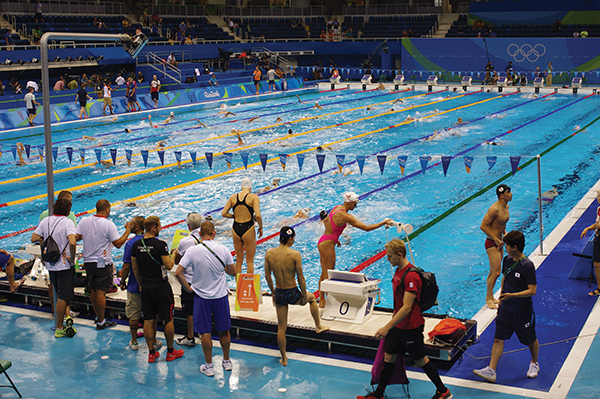
Existing temporary or unused spaces such as a mall, business park, fairgrounds, or stadium (in the off season) can be used for an event venue. When considering an existing space to serve as an event venue, the prudent organizer will seek ways to partner with local institutions such as a college, YMCA, military base, school, church or parks department.
Municipal or government agencies such as tourism or recreation departments can assist in locating suitable facilities whether indoors or outdoors, especially if the event promises community engagement and a positive economic impact.
One of the advantages of partnering with organizations that can provide access to an existing venue is the likelihood of low or potentially free usage fees and easy access to any required city permits. Additionally, an organization agreeing to loan out their venue may also be able to provide a built-in audience and access to equipment or amenities such as a scoreboard or concession stand.
Existing organizations generally provide legitimacy and credibility when partnering with a relatively obscure entity which makes it easier for organizers to publicize events at a known facility.
Several strategies for partnering with an organization include cross promotional activities such as sponsorship opportunities and branding packages. Additionally, sampling or retail tables can be staged with membership brochures or merchandise sales. Organizers can also provide free hospitality or spectator access in exchange for using the borrowed space. A shared revenue model can also be used to entice organizations to partner with an event.
An example of an event that borrowed an existing space to serve as its venue is the National Hockey League (NHL) winter classic. In 2025, the event was held at Wrigley Field, home of the MLB Chicago Cubs. During the Cubs off-season, the outdoor stadium was transformed into a hockey rink through an automated watering and spray process that built ice onsite.
The venue was already equipped with suitable restrooms, locker rooms, concessions, spectator seating, training room (emergency medical area) and a press box area. A Zamboni machine and team equipment were hauled in. Beyond a lease fee, the unique partnership included extended venue use for the public (free skate opportunities provided by sponsors), revenue sharing activities on ticket sales, cross-branding and media collaboration.
A second example of an event that borrowed existing spaces is a team-based volleyball camp at a small mid-western college in Ohio. The college quickly outgrew its existing venue for the high school camp that grew from six to an all-time high of 52 teams.
In response, the college partnered with local schools in the county for use of their gyms. In exchange for access to a venue, the college permitted each high school to enter their team for free. Agreements were created to clarify the responsibilities of each entity (camp organizers and venue) and to secure liability protection as well as indemnity clauses for unforeseen damage or claims.
Transform a Public Space
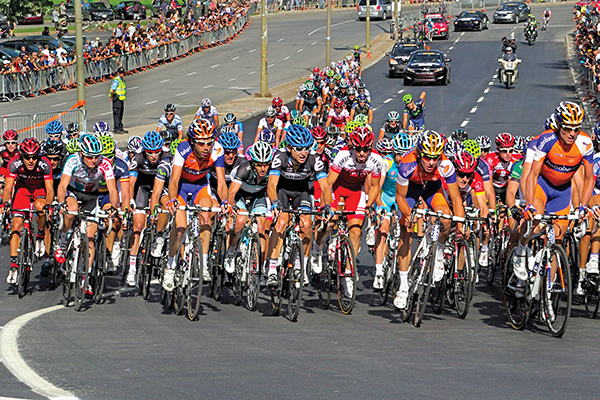
While not suited for every event, transforming a public space can be a solution to creating a venue. Depending on the event, public parks, town squares, waterfronts or pedestrian plazas may serve as an alternative to a traditional brick-and mortar venue.
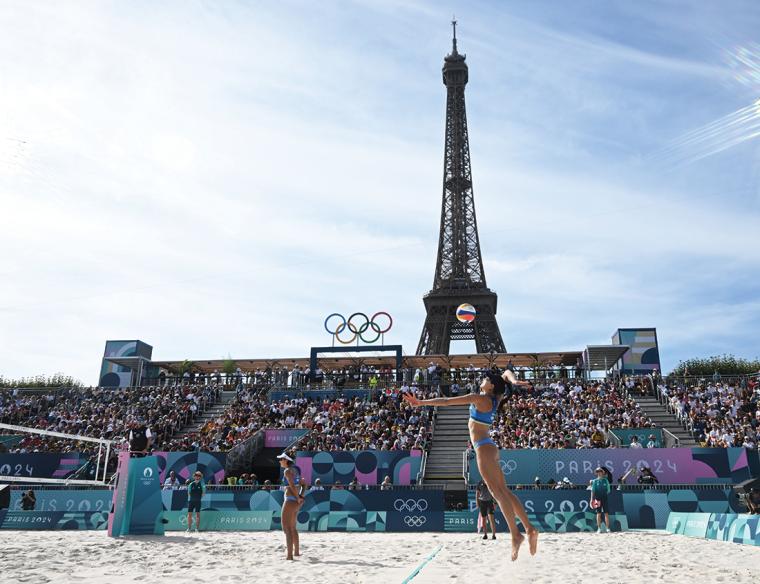
Public spaces often require only minimal permits and can occasionally be transformed to fit the needs of the event. Two examples of how a public outdoor space can be transformed and substituted for an event traditionally taking place in an indoor venue include the Gus Macker three-on-three basketball tournaments and the 2024 Paris Olympic beach volleyball discipline.
Since 1974, the Gus Macker tournaments have erected make-shift courts on city streets or in parking lots around the country. Three-on-three outdoor basketball tournaments, requiring minimal space and ingenuity to erect a court, have risen in popularity as an added attraction to local festivals.
These types of games have expanded globally from the annual three-on-three world championships and tours hosted by the international federation for basketball (FIBA) to branded competitions such as the Red Bull Half Court Tournament held recently in Moldova. Court markings are drawn with washable paint and portable hoops and bleachers are hauled in to create a venue.
One of the most popular spectator events at the Paris 2024 Olympics was beach volleyball. The sport took place in a temporary venue built at Champs de Mar Park which sits at the foot of the iconic Eiffel Tower. Leveraging a national landmark added to the allure of attending the event, similar to the tournament being staged at Kensington Court next to Buckingham Palace during the 2020 London Olympics.
In Paris, play was stopped for approximately ten minutes each night so players, officials and spectators could enjoy the dazzling light show from the Eiffel Tower. To create the venue, more than 2,000 pounds of sand had to be transported from a nearby quarry and portable bleachers were erected with a capacity of 12,000 spectators. After the Olympics, the sand was hauled to local outdoor courts and the bleachers were dismantled, leaving the park in its original condition.
While temporary or portable bleachers can be used for seating, natural landscapes such as a hillside or rock formation can alternatively be incorporated into a viewing platform. Similarly, a cave or rock formation can be transformed into a stage, tree clusters can be used as markings for boundaries and valleys or canyons can be used to amplify acoustics.
Key Takeaways
Whether borrowing a venue or transforming a public space (or any space), especially for community-based activities, there are important factors to consider. Most successful events include partnership collaboration.
Leveraging benefits is a crucial component of any partnership and if nurtured over time, the relationship can lead to a longstanding affiliation between both parties as well as the event. Ideally, event organizers should seek and manage mutually beneficial partner opportunities such as those that can lead to cost sharing.
Permissions and agreements (e.g., liability waivers, insurance, etc.) are a necessity between property owners and managing authorities. Depending on the event, permits are also a necessity such as notices for mass gatherings, sound amplification authorization, zoning requirements or public safety regulations.
A venue is one of the most significant aspects of a successful event. Therefore, when seeking a venue, organizers should consider a variety of options and opportunities. Whether accessing a traditional indoor facility, borrowing an existing venue or creatively repurposing a public space, the right setting can elevate the entire experience and leave a lasting impression. SDM
About the Author