

Photo © Wisconsinart | Dreamstime.com
The World Cup is set to bring the U. S. plenty of tourism, excitement and star power … with a side of drama. Of course, at this point, the drama has been playing out for months, long out before the first athlete sets foot on American soil.
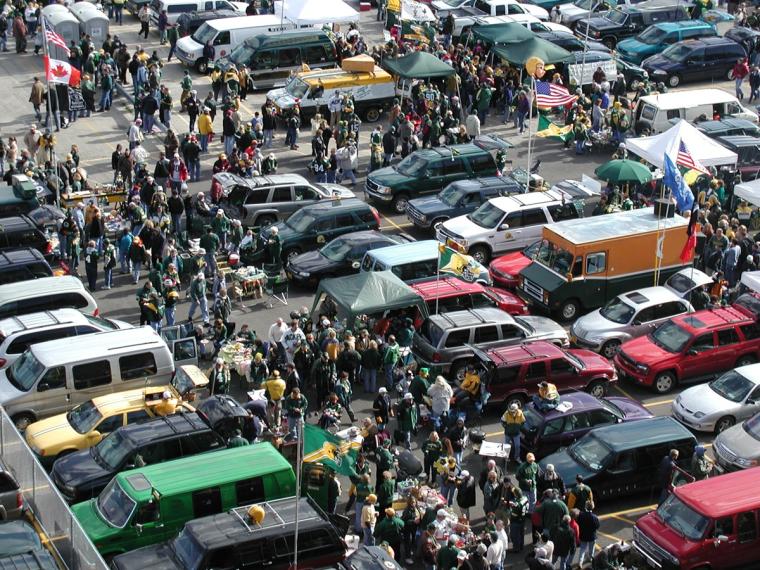
The latest episode in the FIFA soap opera concerns that great American institution, tailgating.
In Boston (yes, the same city that was threatening to cancel all seven of its World Cup matches because of a disagreement over fees for stadium security), it was announced that tailgating would not be allowed.
According to The Athletic, “Boston’s organizing committee’s website made clear that tailgating, which is common when the Patriots play NFL games at Gillette Stadium, is “not permitted for these events per FIFA policy.”
Unsurprisingly, outrage followed in the form of irate phone calls, angry blogger rantings, brutal social media posts and scathing letters to the editor of newspapers, all accusing the international governing body of being killjoys who were out to wreck the American game day experience.
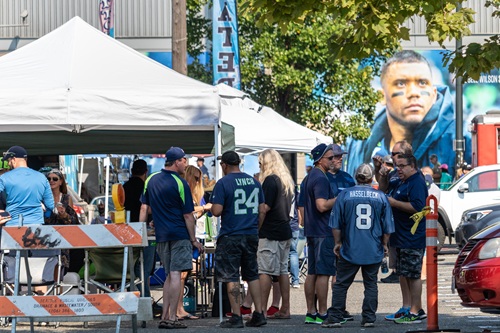
Except, as it turns out, it wasn’t actually FIFA’s rule. In fact, while tailgating isn’t widely known or practiced outside North America, FIFA does not have anything against it.
According to Yahoo! News, FIFA made clear in an X post it has no standing ban on the practice.
And the message could not have been clearer: “FIFA does not have a formal policy that restricts tailgating (eating and drinking around parked cars in stadium areas).”
Rather, FIFA representatives told reporters at The Athletic that “Each host venue will be assessed on a case-by-case basis, and myriad considerations will be taken into account before a decision is made.”
Criteria includes the footprint of each stadium, parking lot area, how people travel to and from the venue and its location.
Logistically, hosting stadiums differ. For example, AT&T Stadium in Arlington, the home of the Dallas Cowboys, is the opposite of Lumen Field in Seattle. Lumen is in the center of the city while AT&T is surrounded by multiple parking lots.
There are other considerations as well, notes Yahoo! News: “World Cup matches this summer will see stadium parking lots filled with a number of extra areas not typically seen at NFL games. Those include fan entertainment zones, sponsorship hospitality areas and broadcast centers.
There will also be enhanced security measures that will occupy stadium real estate. Larger security perimeters around stadiums will result in less space for parking.”
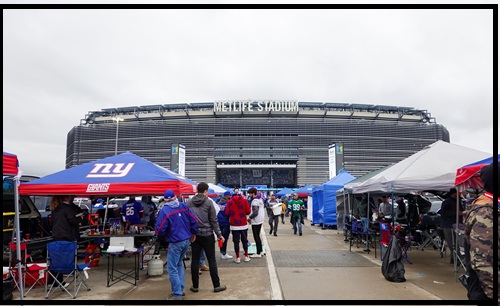
For those keeping score at home, less space for parking equals less space for tailgating.
Once FIFA had made it clear that it did not, in fact, ban tailgates, the language on the Boston organizing committee’s website was changed and the reference to “FIFA policy” was scrubbed.
The upside, though, is more foot traffic through the communities surrounding the host venues and more opportunities to explore local bars and restaurants, as well as shops.
“Hopefully it’ll bring people out to local restaurants, it’ll bring people down here to the plaza, downtown, it’ll help support the economy in that way here in Kansas City,” Cherina Ostmeyer told reporters.
Here are the host cities and what we know (so far) about whether or not tailgating will be allowed. If no definitive information has been released, that is indicated. Links show where tailgating news was most recently published; however, several stadiums have noted that full information will be released as the tournament nears.
- Boston (Gillette Stadium): No
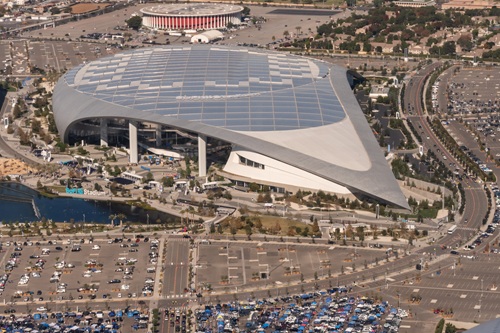
- Los Angeles (SoFi Stadium): No
- Philadelphia (Lincoln Financial Field): No
- Dallas/Arlington (AT&T Stadium): Yes
- Seattle (Lumen Field): No
- New York/New Jersey (MetLife Stadium): No
- Kansas City (Arrowhead Stadium): No
- Miami (Hard Rock Stadium): Undetermined
- Atlanta (Mercedes-Benz Stadium): Undetermined
- Houston (NRG Stadium): Undetermined
- San Francisco Bay Area (Levi's Stadium): Undetermined
- Toronto (BMO Field): Undetermined*
- Vancouver (BC Place): Undetermined*
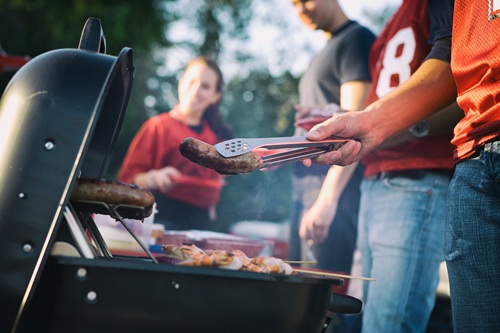
*According to this article, “organized tailgating has never taken hold” at BC Place in Vancouver (although plenty of pregame traditions exist); also, “Toronto’s BMO Field operates in a similar urban setting, where public transit and nearby bars in Liberty Village shape the matchday atmosphere more than rows of pickup trucks and portable grills.”
That’s only the current picture, though. As we’ve seen, World Cup host city arrangements are nothing if not in a constant state of flux.
Additionally, there is the potential for plenty of organized (but unofficial) tailgate parties in various destinations.
Sponsor Names Being Scrubbed from Venues
Recently, for example, workers began the process of removing sponsor names (temporarily) from many of the host venues.
This time, it really is because of FIFA policy that precludes stadiums from using non-sponsor corporate names; FIFA considers that to be “ambush marketing.”
A total of 14 of the 16 host venues across the United States, Canada and Mexico will be known by new, more generic names that often reflect their city or region.
For example, NRG Stadium will be rebranded as Houston Stadium for the duration of the tournament.
A full list of the new stadium names can be found here.
Transit in Turmoil
In yet another snag other news: The Athletic reported that travelers to MetLife Stadium (or whatever it will be called for the tournament) feel like they are being taken for a ride with the announcement that pricing for a return rail ticket from New York’s Pennsylvania Station to the venue to watch World Cup games is being jacked up from $12.90 per person around $150 per person, more than an 11-fold increase.
While NJ Transit ordinarily offers reduced fares for seniors, children and disabled passengers, the World Cup pricing will be a blanket fare for all categories.
During the recent FIFA Club World Cup, ticket prices held steady at $12.90 per person.
New Jersey Governor Mikie Sherrill said she’ll support the higher round-trip prices if it means taxpayers will be off the hook. She hit back at critics of the pricing and pinned blame on (you guessed it) FIFA.
About the Author