

Photo © Lincoln Beddoe | Dreamstime.com
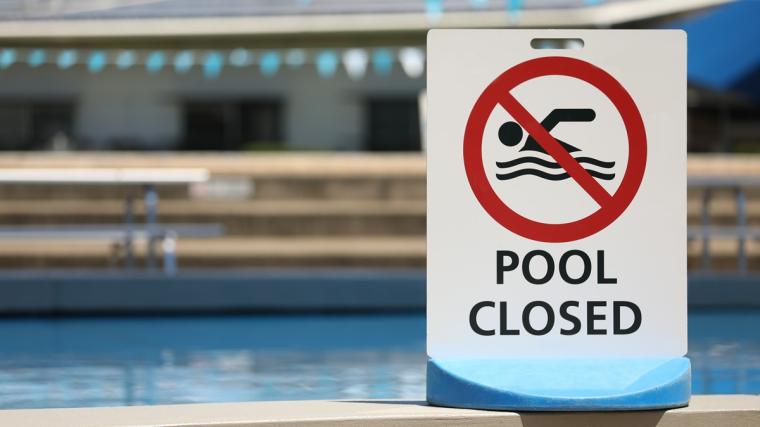
Some outdoor municipal pools — which often are home to recreational swimming clubs — won’t open this summer, thanks to rising costs. Other might operate with emergency funds in place, while still others could simply pass on the added expense to users in the form of higher fees.
The City of Lawson (Mo.), for example, announced in late March that it would not open the Lawson City Pool this summer. The city took it over in 2019 after the pool operated for more than 50 years as a private facility.
“While the pool was successful during the 2020 and 2021 seasons, revenue has dropped considerably ever since,” according to the city’s Facebook post.
“Over the past two years, the pool has lost a total of $96,000 in revenue. With other municipalities opening new, larger aquatic facilities with more features, we have experienced a huge decrease in attendance. In addition, there has been a 60 percent increase in pool chemical costs, and a continued rise in employment costs.” Stan Dobbins, Lawton’s city administrator also told local reporters that high-priority projects such as railroad bridge work now take higher priority.
Meanwhile, in early April, city leaders in La Crosse, Wis., were considering a plan to keep the North Side Pool open during the 2026 outdoor season using $90,000 in American Rescue Plan Act interest funds, according to local reports.
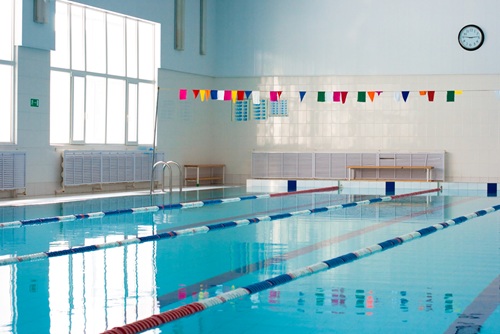
The pool was closed last year after the city’s budget eliminated funding due to shortfalls, and officials said the pool needs more than $900,000 in long-term repairs. The proposed emergency funding would cover operations but not the repair work.
“[It] does not add any new borrowing to the budget,” City Council Member Erin Goggin said. “It does not eliminate anybody’s position. It creates jobs for young lifeguards. It creates a space in La Crosse, a safe space, and we’re all looking for that.”
But municipalities aren’t the only entities facing difficult decisions. Although the indoor pool at Evergreen State College in Olympia, Wash., is open now, it will close at the end of June as the college faces a budget deficit between $2.7 million and $4.1 million, according to TheOlympian.com.
“The pool has served our campus and the broader community for decades, and we recognize the important role it has played as a place for wellness and connection,” interim Chief Financial Officer John Reed said in a message posted on the college’s website. “However, it carries significant ongoing operating and infrastructure costs. Recently, the Washington State Department of Health notified the college that the campus pool requires approximately $60,000 in immediate repairs in order to meet current health and safety standards.”
Rising costs for pool chemicals, labor and utilities are the main culprits, along with (at least in some cases) aging infrastructure. Pools that aren’t closing might wind up cutting their hours this summer — depending on how things go — and there were reports last year of financially strapped city councils reducing pool-water temperatures.
On top of all that, a “pattern of repeated and prolonged severe weather highlights a broader reality: Climate volatility is no longer an exception — it is a planning factor,” the American Lifeguard Association posted on Facebook in January, when much of the country was under winter weather advisories, ice warnings and extreme-cold alerts.

“For aquatic facilities and lifeguard training programs, the consequences are immediate. Lifeguard certification and workforce development rely on predictable seasonal transitions. When winter storms delay, cancel or restrict in-person training opportunities, the pipeline of newly certified lifeguards entering the workforce narrows. What is already a strained recruitment cycle is being pushed further out of balance, increasing the likelihood of staffing shortages heading into the [s]ummer 2026 season.”
Lifeguard shortages have been a major issue across the country, especially since COVID — and finding and keeping them this summer could cost municipalities more this year, too. In Warner Robins, Ga., recreation officials pushed the city council to increase hourly pay for lifeguards from $15 to $20.
“We have to pay them,” recreation director Preston Pooser said, citing increased competition for lifeguards. “We’ve been in a nationwide shortage of lifeguards in the country for at least a decade. It’s not a new phenomenon. Pay has been going up for all businesses, and again, we’re competing.”
Other cities are turning over their public pools to private operators, including Hurst, Texas — where two aquatics centers have been operated by Florida-based Sports Facilities Companies since January. “[P]ersistent lifeguard shortages, rising repair and regulatory costs, and increasingly technical water-quality demands had stretched the department thin,” according to local news site Hoodline.com. “The two facilities together serve more than 45,000 visitors each summer, a volume that has become tougher to manage with limited staff and budget.”
The city is outsourcing management but not ownership, as the contracted management fee reportedly started at about $20,000 per month, and routine operating costs are still paid by the city.
About the Author