

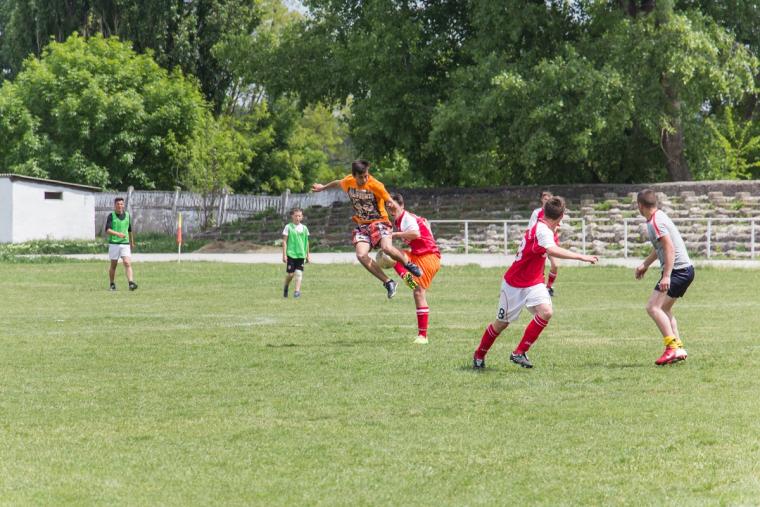
Photo © Valentin Balan | Dreamstime.com
There’s a fast-growing sector in the sports events market and it isn’t youth, although it’s made up of athletes who used to fall into that category: Adult leagues with regular programming in everything from softball and pickleball to golf, bar games and bowling (and everything in between). Proponents say leagues are helping people make friends, stay active and keep the competitive spirit alive after graduating from high school and/or college.
The Sport & Social Industry Association, a nonprofit trade organization, serves businesses that produce, manage or operate adult sports leagues, tournaments and/or social events. SSIA was founded in 2010 to foster communication, collaboration and community in the industry.
Sports Destination Management: We hear a lot about adult leagues in so many cities. Do you know the nationwide expansion rate?

Galen Beers: We don’t really have data so it’s hard to speculate but there is definite growth.
SDM: Do you see any impediment to that growth?
Beers: We definitely live in a digital world and you have a lot of people who find it easier not to be active.
SDM: Which sports are the most popular nationwide among adults?
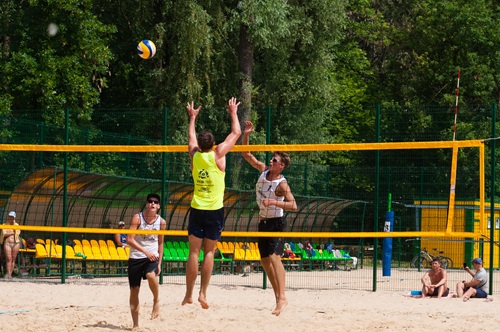
Beers: It varies by clubs, and by the locations of those clubs. Overall, though, I’d say that volleyball is at or near the top; there is also a lot of participation in soccer, softball, kickball, basketball, flag football and pickleball. Cornhole, bowling and dodgeball are also represented, as are a lot of other sports.
SDM: Do most clubs use municipal fields and facilities?
Beers: Many groups are dependent on, and many have partnerships with, parks and rec departments or local schools, to use their facilities. Sometimes, municipalities will farm adult events out to be run by sport and social clubs so that they have someone to take care of all the administrative work, like getting referees, scheduling games and setting up parties at the end of the season.
SDM: What do you see as the biggest challenge facing club owners?
Beers: The day to day management of these organizations as a whole can be challenging but what can be really difficult is trying to keep up the inventory of facilities. It’s not just registering the people who are interested; it’s having space for those people to play their given sport. If facilities become unavailable, it creates a real problem.
SDM: How are club owners responding to a shortage of facilities?
Beers: Some have discovered it’s just easier to buy or lease an existing space; some have actually had facilities built from the ground up.
SDM: What else do your members say is a challenge?
Beers: Again, it depends on the market but I’d say that climate drives a lot of frustration. Some markets are hardly ever rained out of a game but in some areas, it’s a constant concern.
SDM: How is the membership of SSIA structured?
Beers: Our membership has tiers based on the size of each business as measured by revenue. Larger businesses really fund the industry.
SDM: Do you have meetings?
Beers: Yes, we have one meeting a year, the Sport and Social Industry Conference in February. It is presented in the U.S. one year and abroad the next.
SDM: Do you work with the national governing bodies?
Beers: You know, we don’t really get involved with them right now. I would say we are open to partnerships.
About the Author