

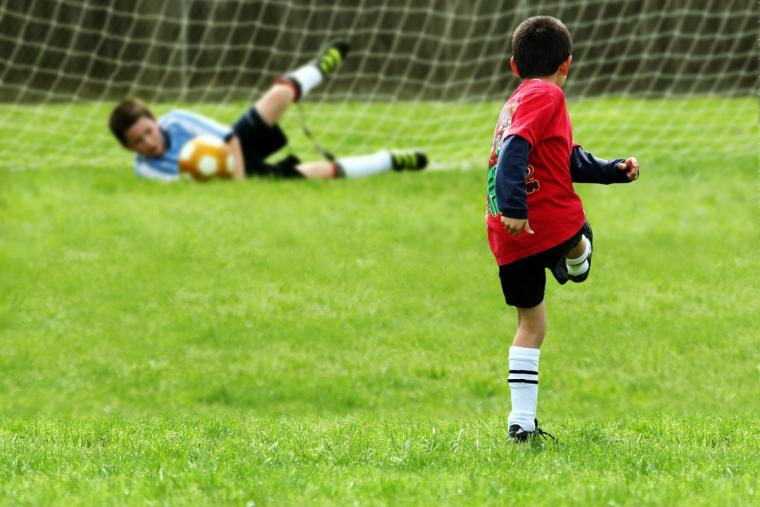
Photo © Galina Barskaya | Dreamstime.com
Usually, high-profile sports events see a bounce, defined as growth that comes in their wake, almost like an aftershock. (A prime example is the interest in gymnastics that spikes following the Summer Olympics.)
But soccer has flipped that model on its head, showing exponential growth even before the first World Cup player takes the field in the USA, according to Soccer Spotlight: 2026 U.S. Participation Trends, Insights & Growth Drivers Report, a report from the Sports & Fitness Industry Association (SFIA).
In fact, the research shows that soccer participation is already surging nationwide, reaching record levels last year. Outdoor soccer participation reached 16.8 million Americans in 2025, up +15.8 percent year-over-year, while indoor soccer participation grew to 6.6 million, up +10.5 percent.
The report analyzes 15 years of SFIA participation data, examines the historical impact of past World Cups on U.S. soccer participation, profiles who is driving today’s growth, and assesses what the industry might expect from the upcoming tournament.
“The United States is entering the 2026 World Cup with record participation, broad demographic momentum, and an industry that has been building toward this moment for years,” said Alex Kerman, Senior Director of Research and Operations at SFIA. “Our data suggests this tournament presents a fundamentally different opportunity than prior World Cups. The foundation has never been stronger.”
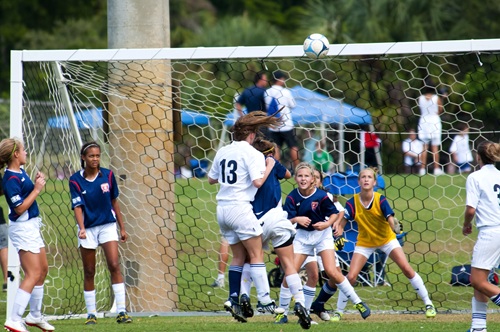
A Different Kind of World Cup Moment
SFIA’s analysis of past tournaments reveals a consistent pattern:
- Participation gains often occur after the World Cup, not during it
- The absence of the U.S. team in 2018 correlated with declines
- The winter timing of 2022 delayed participation growth into 2023
However, 2026 presents a unique opportunity:
- Summer timing aligns with peak playing season
- Matches hosted across the U.S.
- Participation is already at an all-time high
“Entering the tournament, conditions are ideal for real-time conversion from fan to participant,” Kerman added.
Growth Is Expanding, but There is Room to Deepen Participation
The report also highlights key structural shifts in soccer participation:
- Casual participation is growing faster than core participation, which represents the participants who engage most frequently in the sport
- Adult participation (35+) is rising rapidly; in fact, this group makes up the fastest-growing segment of the soccer-playing population. Two reasons for this: Small-sided play, as noted by Travis Tew of 5v5 Soccer, and adult sport and social leagues, which allow those who have graduated from high school and college to keep on playing soccer.
- Hispanic Americans continue to lead growth and engagement; in fact, much has been written about the fact that weekend soccer games in parks allows for better social connections among Hispanic populations.
- Female participation has grown by 66 percent between 2018 and 2025, just as the USWNT has dominated headlines. In fact, the women’s soccer fanbase is expected to reach 800 million by 2030, according to this report quoted in ESPN.

The SFIA says the data suggests that while soccer’s reach is expanding, the biggest part of its story is yet to be written, meaning that converting new players into long-term participants remains the industry’s biggest opportunity.
FIFA expects to help that part along. The FIFA World Cup 2026 Legacy Program (specifically initiatives like Soccer Forward and local host city programs) focuses on making soccer more accessible across the U.S., Canada and Mexico by building safe, sustainable and community-centric infrastructure.
Key efforts include constructing new public fields in cities and providing grants for under-resourced youth programs.
The full SFIA report, Soccer Spotlight: 2026 U.S. Participation Trends, Insights & Growth Drivers, is available for purchase.
About the Author