


Photo © Monkey Business Images | Dreamstime.com
Psst! Want the inside track? There’s a fast-growing sector in the sports events market and it isn’t youth, although it’s made up of athletes who used to fall into that category.
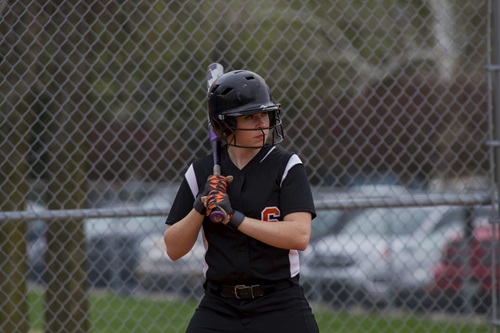
Adult leagues are a rapidly proliferating industry segment that can be harnessed by venues and destinations to provide added value, more publicity and more potential than you ever dreamed possible.
In fact, all the way back in April, data from Civic Science showed that almost 25 percent of all adults were planning to join a rec league within the next six months.
In the past, graduation was the abrupt end of many athletic careers; those who had been active on school teams drifted into gym use or ran weekend 5Ks.
But suddenly, they started resurfacing. In 2022, Travis Tew, owner of the 5v5 Warrior Soccer Tour, noted that adults represented a fast-growing sector in the small-sided soccer tournament market.
“It’s a huge, underserved market that I’d like to capitalize on,” Tew noted. “In Panama City Beach, we had more than 20 adult teams registered. I think that’s something we’ll be targeting a little more.”

In particular, Tew noted, adults found it easier to find enough people for a five-person or even a seven-person team.
Because the fields were smaller, it was also less running for adults. And at the end of the day, he noted, “you have to remember that soccer kids who love the game will grow up and want to continue to play. This is a way of helping them do that.”
Other event owners have latched onto the fact that people want to play and can leverage sports to stay connected. The City Tour, for example, is a team-based golf tournament series for golfers ages 21 and up, held in major cities. It culminates in a national championship in September.
Leagues for adults are generally inexpensive to join; however, the potential for lucrative growth is excellent for event owners and for venues, noted It’s Game Time.
With an average league fee of $90 and a participation rate of 20 percent among the U.S. adult population, the sector is estimated to generate around $4.64 billion annually.
Gen Z adults and Millennials were leading the charge but Gen X is also notably more likely to be interested in a rec league. Even Boomers are getting into the game; the best news among that age group is that senior sports are also continuing to grow.
Options for rec sports leagues run the gamut, and adults have been expressing a preference. Civic Science says that football and flag football (28 percent of respondents) holds the slim advantage, while baseball/softball/kickball, bowling, golf and soccer all range between 22 percent and 23 percent of participants. Tennis and pickleball (20 percent) and volleyball (19 percent) follow closely.
Volo Sports is a co-ed sports and social club with locations in more than a dozen cities, with a wide range of sports. Participants can join the above-mentioned activities, as well as plenty of others that vary by location, like bowling, cornhole, street hockey, disc golf, ultimate, skeeball (and other bar games like shuffleboard, pool, beer pong and axe throwing).

Even within sports, there may be different leagues; in one city, there is traditional pickleball, competitive pickleball and party pickleball.
Within destinations, adult leagues and clubs can drive business by using weeknight time blocks at parks and sports facilities.
The popularity of these leagues can be traced back to the fact that recent grads have spent their childhood with extremely organized sports schedules, participating in school as well as travel sports, says Sports Vizio; as these individuals age out of youth sports, they are seeking to maintain a weekly engagement with sports.
Axios notes that when sports stop after graduation and when work begins, isolation often follows.
"The social aspect is just as important as the sport itself," says Rachel Hogan, who works with clubs in Austin, Texas, Dallas-Fort Worth, San Antonio and Minneapolis. In fact, she adds, players who are new to a city or who are looking for friends outside of work will often seek out sports leagues. (Some, she notes, even find romantic partners, with one league dubbing itself the "best dating app" in Denver.)
In fact, many league participants consider the post-game socializing at local bars or restaurants to be an essential aspect of the experience.
The Hustle profiled Tim Horan who, in 2001, became CEO of Heyday Athletic, a Philadelphia league that has since grown from fewer than 5,000 members to more than 60,000. Leagues like Heyday built relationships with brands like Coors Light in order to advertise and reach the 21-to-40 year-olds playing in the leagues.
“Back in the day there was no such thing as Facebook ads. And so, our leagues were quite a valuable marketing channel for these brands.”
The business of adult leagues was getting serious, and league operators wanted a way to discuss common issues and share best practices. By 2010, the Sport & Social Industry Association was created to help foster community and collaboration within the burgeoning sector. In addition to putting on an annual industry conference, it offers online seminars to discuss issues such as digital marketing and sponsorship acquisition.
And Galen Beers, executive director of the Sport & Social Industry Association, told Axios, this is only the beginning of the trajectory.
"No one's going out of business because people aren't playing,” laughs Beers. “In fact, it's the opposite."
About the Author