
All photos © Darren Dwayne Frazier | Dreamstime.com
It’s county fair season, meaning corn dogs, rides — and a whole lot of economic impact.
The exact amount varies but it’s never unwelcome.
The Orange County Fair, notes The Daily Pilot, bolstered employment, tourism and revenue to the tune of nearly $331 million per year during its three-week lifespan.
In fact, an economic impact report for the fair foundthat in addition to attracting 1.05 million visitors to Costa Mesa, the spectacle led to the booking of more than 13,000 hotel room nights, which created $384,600 in transient occupancy tax revenue and generated roughly $11.6 million of sales tax across multiple cities.
“This is just for our 23-day fair,” said OCFEC chief executive James Canfield. “[Those are] some really significant numbers.”
But Orange County isn’t the only fair with a winning bottom line. The Pleasanton Weekly noted that the Alameda County Fair generates $132.1 million in economic impact and supports 860 ongoing jobs.
Additionally, fairgrounds, which sponsor multiple events throughout the year (as varied as dog shows, craft fairs, antique marts, auctions and others), bring in millions more.
And that all goes back to strong partnerships with tourism officials.
Angel Moore, chief operating officer for the Alameda County Fair & Event Center, gives much of the credit to the “strong partnership between the fairgrounds and Visit Tri-Valley” and “diverse calendar of events throughout the year” that attract people from the region and beyond to the 267-acre property.
But it’s not just the economic impact, substantial though that is, that makes fairs such an asset. It’s the future-facing aspect nobody talks about.
Fairs generate renewed interest in rodeo, equestrian and agriculture, making them valuable engines of sports tourism and economic development with long-range potential. And the goal is to catch the attention of kids early.
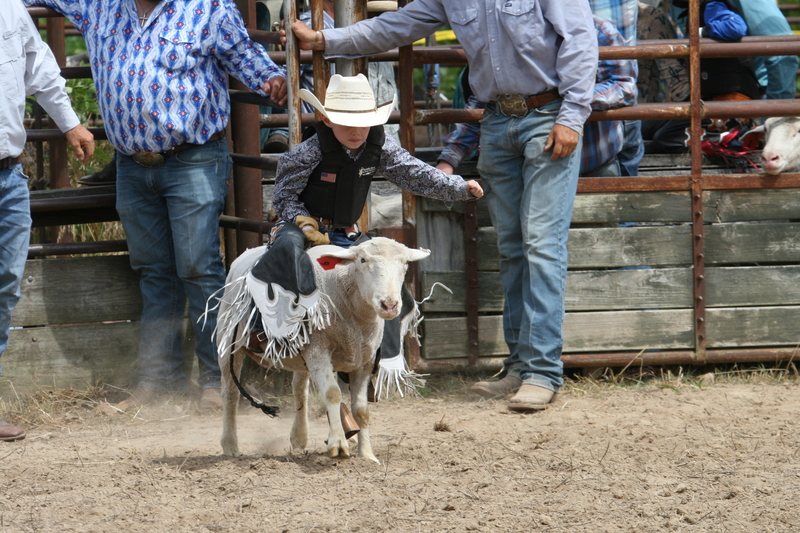
In Wyoming, the Southeast Weld County Junior Fair and Rodeo has approximately 160 youth who participate each year.
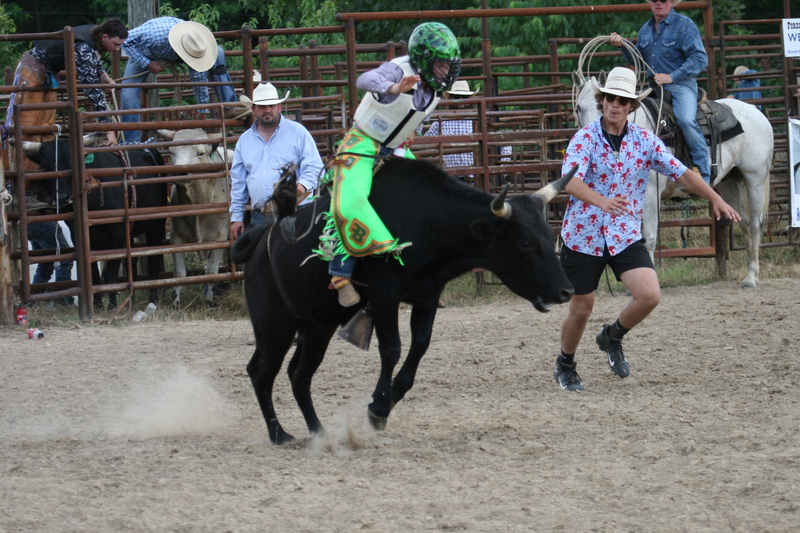
Even more come to watch and get hooked.
In Bowling Green, Ohio, that’s the goal of the Farm to Market program for children, notes the Sentinel-Tribune.
The program gives kids a hands-on experience of farming, allowing them to see how vegetables and fruit are picked, how much cereal a bushel of wheat can make (1,080 ounces, in case you were wondering) and how to milk goats and sheep.
Similar programs exist in other fairs, like the Hall County Fair in Grand Island, Nebraska.
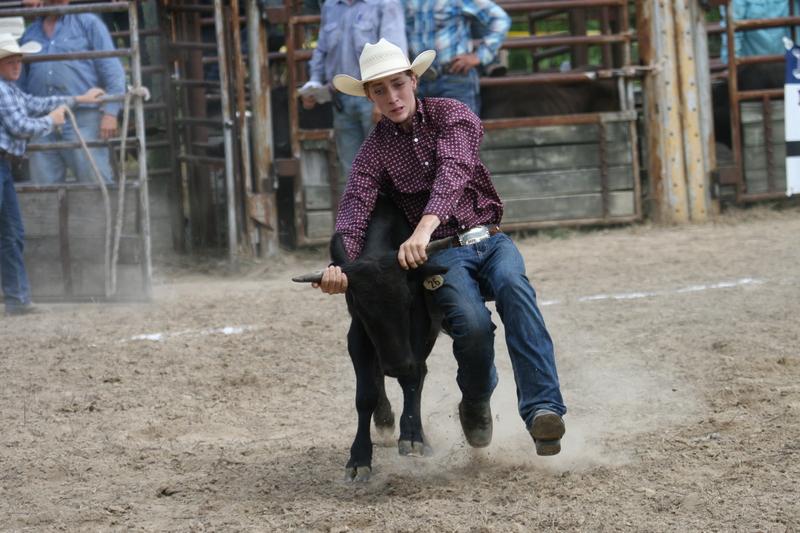
As they get older, kids may segue into showing animals, competing in home arts (quilting, canning, displaying herbs or flowers, entering baked goods in benefit auctions — or entering their own garden-grown produce in the agricultural competitions.
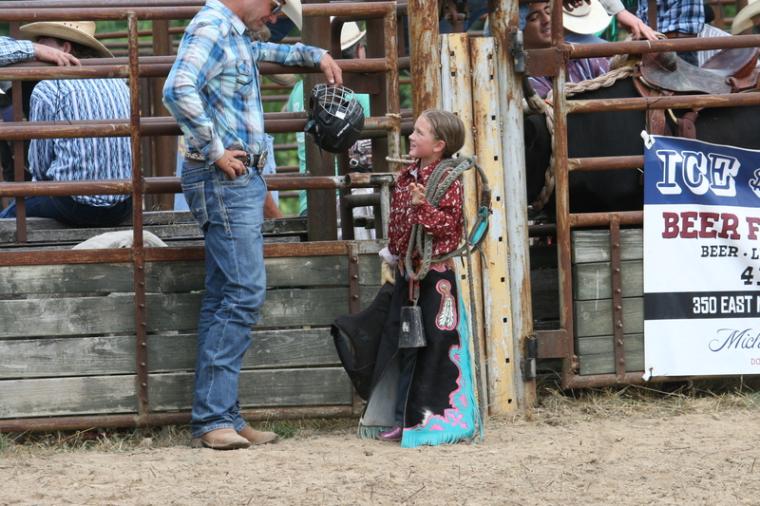
Or they can be bitten by the rodeo bug; in fact, county fairs have long been the primary gateway for introducing the public to rodeo, combining agricultural education, 4-H and FFA livestock exhibits, and live grandstand entertainment to turn casual fairgoers into lifelong rodeo fans.
And that, according to proponents, is one of the best things that will happen this summer. After all, fairs have a long history of enlightening people about the sport.
“The history of rodeos originally began from the tradition of Wild West shows,” notes the WilCo Fair and Rodeo of Williamson County, Texas. “These shows, which first began in the 1870's, featured life on the American frontier as demonstrated by cowboy performers. For over 40 years, these acting troupes would travel all across the country (and internationally) to entertain folks with incredible rodeo stunts and tricks. Some of the most famous figures include "Buffalo Bill", who founded Buffalo Bill's Wild West in 1883, and Bill Pickett, who was born in what is now Georgetown, Texas.”
And with attendance at fairs increasing nationwide, there’s a strong chance that audience for American history is growing. Many spectators will go on to watch rodeo online and on television (and to follow social channels for athletes and events), while others may take on some of the activities themselves.
Rodeo is a uniquely American sport and its profile has never been higher. Organizations like the Youth Rodeo Association, the National High School Rodeo Association and the National Intercollegiate Rodeo Association (by the way, there are rodeo scholarships to some colleges) all provide a feeder system into the sport.
Already, agritourism is a growing movement, making the science of farming not only educational but fun.
But it all starts with awareness. And while some areas, like the Southwest, have an ingrained history of rodeo, bringing the sport to other areas means building the excitement.
Fairs are the perfect way to do that. Paying a nominal admission fee to get in the gates allows families (who otherwise might only be headed for rides and games) to watch rodeo events free of charge.
Making rodeo family-friendly (and encouraging kids to take part in low-risk activities) is another win. In Maryland, the Howard County Fair schedule includes not only rodeo but a show on “Outlaws and Peacemakers,” which includes role-playing, audience participation and a whole lot of trick riding.
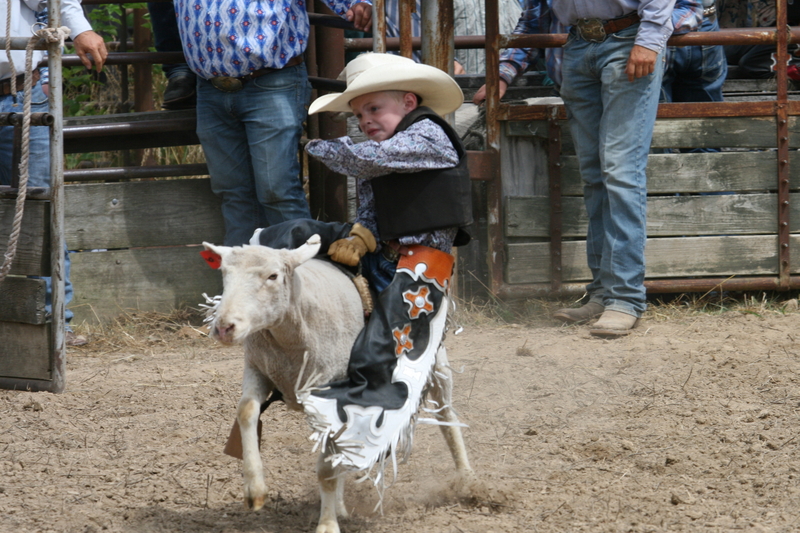
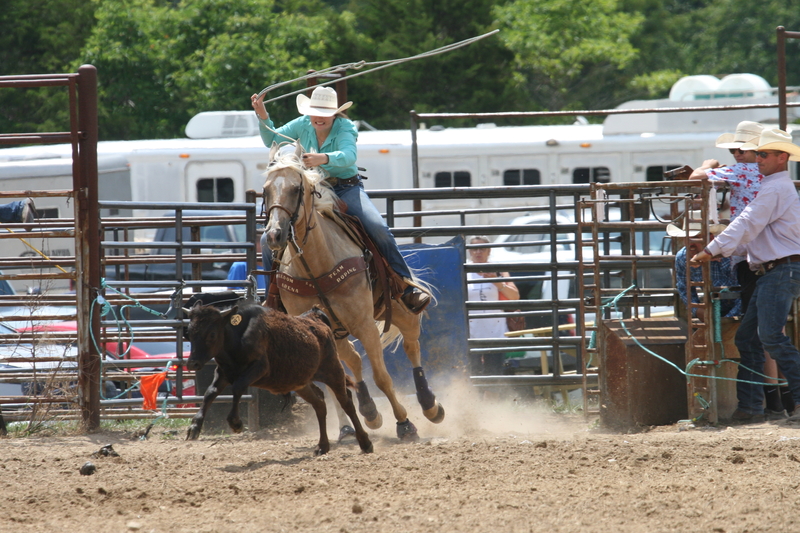
Rodeo is aspirational, as well, with stunt riders, barrel racing, calf roping and of course byll riding and bronc busting.
And in those moments, say enthusiasts, rodeo fans (and future athletes) have been born. Because, at the end of the day, kids realized it was more than a show, more than entertainment.
They understood, said public radio station KCUR in Kansas City, “the hard work it takes to care for an animal 10 times their size. The hours of practice required to master skills that most adults can’t pull off. The grit they need to ride into the arena, where every kid but one ends up leaving a loser.”
And thanks to fairs, rodeo is opening up to participants from all walks of life. The nationwide youth rodeo organization, National Little Britches Rodeo Association, fielded more than 1,400 competitors in 2022 and paid out nearly $275,000 in prizes. There are now adult rodeo associations that cater specifically to women, Black Americans, Native Americans and LGBTQ individuals as well.
Who knew rodeo was inclusive? Maybe rodeo people but fairs are helping to spread the word far and wide.
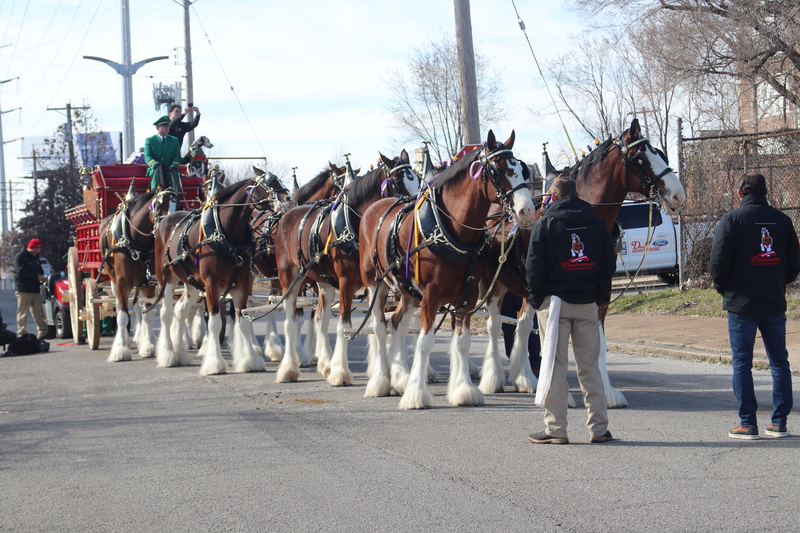
AnimalAgAlliance, in a blog entry entitled, More Than a State Fair, notes, “the agricultural industry needs livestock shows. Hear me out: these shows help expose the next generation of agriculturalists to the world we all know and love. Granted, some of them would have found it anyway thanks to their families. However, there is an entire percentage of agriculturalists who were not raised on or around a farm. I personally know people who only pursued agriculture as a career due to their exposure to the livestock showing industry. It is a gateway to creating new “agvocates” and supporters. Moreover, the livestock events held at state fairs give us a platform to promote agriculture to the public. It gives us the opportunity to explain our lifestyle and engage with the public on our industry.”
Saddle up, everyone. The next generation of rodeo is coming to counties and fairs all over the USA this summer, and it’s bringing big economic rewards with it.
About the Author