

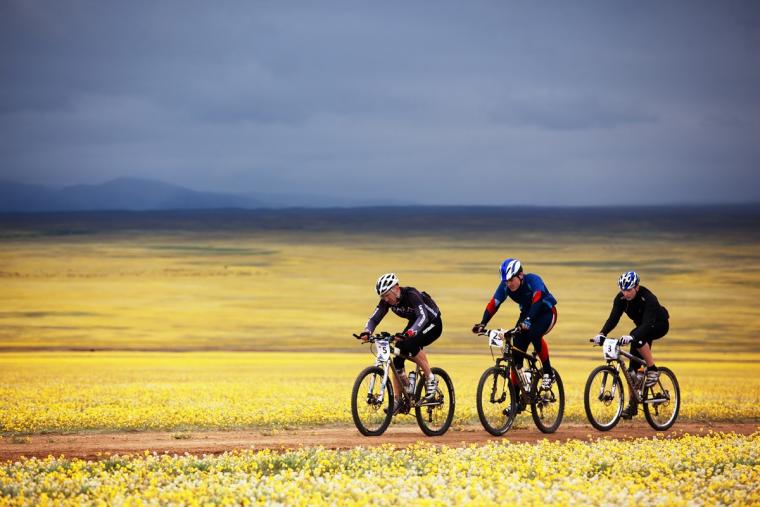
Photo © Roberto Caucino | Dreamstime.com
What’s big? The big outdoors where adventure sports tourism reigns. That is one of the key findings in a new report (synopsized here) that shows that events like rock climbing, mountaineering, trail running, cross country skiing and others are all showing significant growth.
Thrill-seeking Millennials and members of Generation Z are making up the audience that is not only trying these sports but traveling to watch them as well. Research has long shown that these groups value experiences more than possessions.
According to the latest study by Persistence Market Research, the global adventure tourism market is projected to grow significantly from $623.7 billion in 2025 to $1,773.6 billion by 2032, recording an impressive CAGR of 16.1 percent during the forecast period.
In addition to its key demographic mentioned earlier, the market is also thriving due to growing consumer interest in immersive travel experiences, as well as an increasing emphasis on wellness, sustainability and cultural discovery.
The surge in international travel, social media influence and government support for ecotourism have further catalyzed the demand for structured adventure tourism packages across the globe.
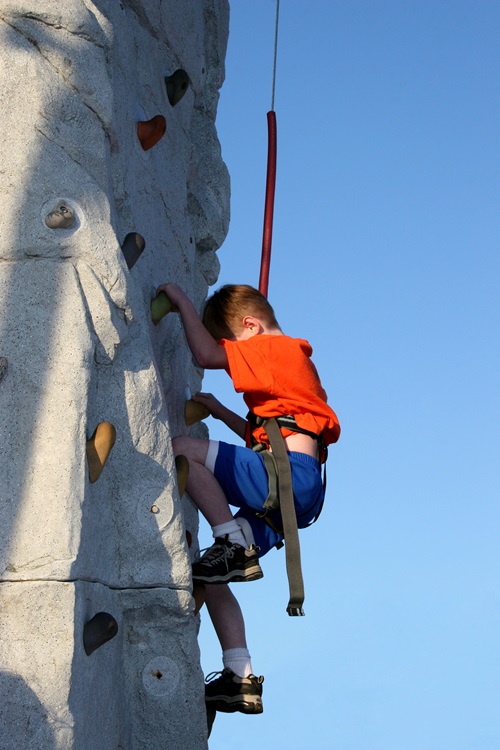
Adventure tourism has evolved from niche, adrenaline-pumping experiences to a mainstream travel preference that blends physical activities with nature and cultural exploration. The market is categorized two ways:
- Hard adventure activities: These include rock climbing, SCUBA diving and mountaineering, as well as trail running, motor sports, whitewater sports and extreme snow sports. Participation generally involves training and in many cases, specialized equipment.
- Soft adventure experiences: These include hiking, wildlife safaris and cultural excursions, as well as birdwatching and other forms of ecotourism, and generally have a lower barrier to entry in terms of equipment and cost.
Soft adventure has long dominated the leisure travel market because of its broader accessibility, family-friendly appeal and lower physical risk. Hard adventure, while growing steadily, remains a niche segment within the youth market. But that too is likely to change.
The Summer and Winter Olympics now include sports like competitive climbing, skateboarding, BMX and snow sports in disciplines that include ski mountaineering, aerials and freeskiing. The visibility of adventure sports has also been bumped up through event series put on by companies like Red Bull.
A key driver mentioned earlier is social media; however, technology as a whole is helping propel the adventure sports tourism market. Mobile apps for translation are also a contributor, as are digital booking platforms.
Eco-tourism and sustainable travel practices are increasingly shaping consumer preferences and tour operator offerings. Hotels, events, facilities and other stakeholders are implementing recycling on all levels, as well as exploring green construction and design. Initiatives being taken at the event level include:
The adventure sports tourism market is fueled by an increasing desire among both athletes and travelers for unique, life-enriching experiences that involve nature, physical challenge and learning. The growth of well publicized competitive events, coupled with the willingness of athletes and spectators to travel to those events, is helping this sector score even more gains.
Rapid urbanization, rising disposable income and greater awareness of mental and physical wellness are key drivers, as are factors that might initially seem extraneous. Many individuals took up sports like mountain biking and trail running during the pandemic when gyms were closed, and found they liked those sports enough to begin competing in them once events started being held again.
Headwinds to growth of the competitive market include the cost of equipment, travel costs, registration fees and the need for insurance. Event owners are aware that because growth starts at the beginner level, compromise is often needed for first-time and lower level athletes in terms of registration fees.
Those under age 30 make up the leading segment, driven by youth adventure sports travel competitions and social media trends – as well as parents’ desires to see their children happy, healthy and excelling at sports they love. Unlike many team sports, the likelihood of college scholarships does not fold into youth participation in many adventure sports; however, there are examples like the youth competitive go-karting segment that acts as the doorway to F1 prominence. Climbing and trail running are other areas where youth athletes are increasingly being found.
Demographics within the age groups above also stand to influence the market; these include the following:
- Special interest or demographic groups: Events formed to host, or cater to, specific demographics; women’s races are one example.
- Inclusive sports packages for those with physical or developmental challenges
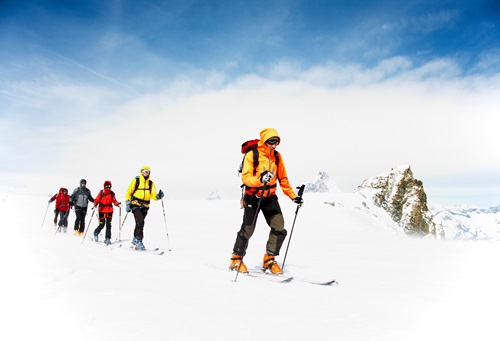
The chief domestic markets for outdoor sports and adventure tourism include destinations like Alaska, Colorado and British Columbia. International travel is also seeing growth.
What’s next in the tourism market? According to the report, it’s regenerative tourism, which takes the concept of sustainability one step further by actively improving the environment in the community being visited.
Voluntourism (a mashup of volunteering and tourism), the practice of doing volunteer work while visiting a new area is one example of this. Another is the ongoing efforts by competitive fishing organizations to clean up and to create new habitat in fisheries in order to guarantee a healthy fish population in years to come.
In addition, event owners, particularly those with a focus on the local level, are working to help support local economies, such as suggesting locally owned hotels, restaurants and businesses to athletes and their families.
About the Author