

The rise of sports tourism has transformed global travel, with destinations and communities increasingly leveraging sports as a key draw for visitors. Youth sports tourism, in particular, has become a booming trend, as families and young athletes are increasingly traveling overnight for tournaments, competitions and training camps.
The growth of youth sports tourism has led to the development of multi-use complexes and facilities designed specifically to host tournaments and events, allowing the cities that host these events to benefit from increased hotel stays, restaurant visits, entertainment engagement and shopping. The influx of visitors can be a lifeline for local businesses deriving new streams of revenue.
Sports tourism manifests in many styles. For example, large multi-youth sports festivals such as the 2026 Youth Olympics in Dakar, Africa and the United World Games (for youth) in Klagenfurt, Austria are designed to attract mass audiences.
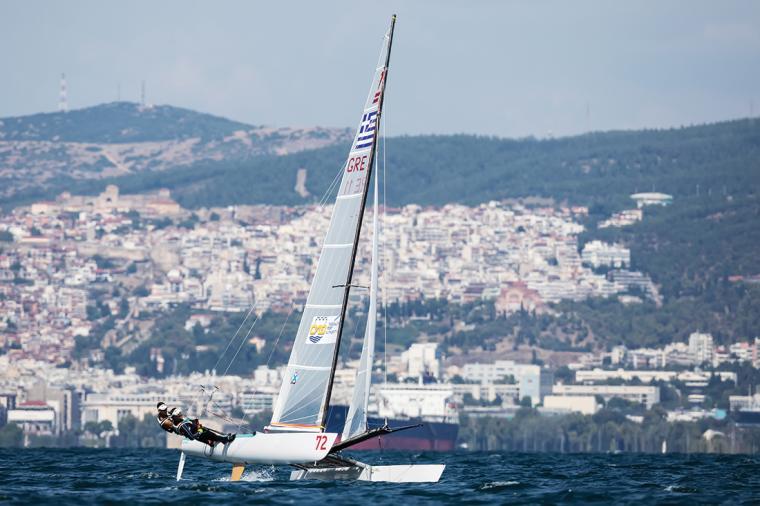
Similarly, single sports competitions staged in interesting cities (some key examples include the 2026 Youth World Sailing Championships in Vila Moura, Portugal and the Youth Flag Football World Championships at ESPN’s Wide World of Sports Complex n Kissimmee, Florida) attract athletes and spectators by combining elite competition with an appealing travel experience.
Collectively, these events illustrate how sports tourism leverages both scale and place to enhance destination appeal and promote sports tourism.
Event organizers can leverage the popularity of youth sports tourism to market destinations by promoting athletic tournaments and events that appeal to families. There are a handful of trends in youth sports tourism that event organizers should consider to assist in developing plans to attract teams, individual competitors, sponsors and spectators.
Growth of Youth Sports Tourism
One of the major reasons behind the rise of youth sports tourism is the increased participation in sports worldwide for the younger generation and the ingenuity of both private and government agencies to capitalize on the rising interest.
The COVID-19 pandemic significantly affected the sports tourism market in 2020-2021 when traveling came to a sudden halt. However, the sports travel industry has since been rejuvenated and continues to grow.
With more children and teenagers involved in organized sports, there is a higher demand for events, tournaments and athletic competitions. Families are now more likely to travel for sports, as the opportunities for young athletes to compete at higher levels are greater than ever before.
Tourism bureaus and sports facilities are vying for opportunities to host events with the potential to attract thousands of participants, coaches, parents and spectators, boosting local economies.
The Arms Race Among Sports Destinations: Better Facilities, More Attractions

Facilities such as Sports Force Park in Sandusky, Ohio are gaining in popularity with a reputation for hosting successful youth tournaments and competitions in a variety of indoor and outdoor sports.
The success of these facilities stems from their ability to attract high volumes of visitors who stimulate local economies by patronizing nearby businesses, hotels and restaurants.
For example, Sports Force Park offers discount tickets to nearby Cedar Point, an amusement park touted as the “Roller Coaster Capital of the World.” These types of incentives attract families who often position vacations around a youth sports tournament or event.
Local businesses that benefit from the influx of travelers can include shopping malls, entertainment centers, retail stores and community centers. The increase in foot traffic encourages potential investments in housing, retail and restaurants, creating a desirable community for families to live.
Sports tourism can provide the benefit of competing at state-of-the-art facilities and attending camps that offer expert coaching and specialized instruction.
The Rafa Nadal Tennis Academy in Mallorca, Spain, for example, adds the appeal of destination travel for sports. The benefits of traveling to these outstanding offerings include allowing youth to learn and compete while traveling and being exposed to new environments and educational opportunities.
Competitive Engagement and Peer Pressure
Parents play a significant role in the popularity of sports tourism. There is increasing pressure on parents to provide every opportunity available to ensure their kids have the best chance at being competitive.
As a result, parents will go to great lengths to drive significant distances or make arrangements for their young athlete to attend events in other locations to find the best competition.
Sometimes, the ill-placed motivation behind a parent’s willingness to drive extreme distances is an attempt to increase the odds that their child will earn a college athletic scholarship or ultimately, become a professional athlete.
The advantages of sports tourism include the increased opportunity for young people to socialize and make new friends with peers from various locations. The value of these friendships supersedes the goal of winning and provides learning skills that will benefit a young competitor throughout life.
For example, youth can learn teamwork, overcome obstacles, increase culture awareness and capitalize on networking opportunities when traveling to different locations for athletic competition.
Technological Influences on Youth Sports Tourism
In recent years, technology has significantly impacted the world of youth sports tourism.
Some key technological influences shaping the youth sports tourism landscape include digital platforms, performance analytics, augmented reality (AR), virtual reality (VR), e-ticketing and mobile applications.
From the way events are organized to how they are experienced by participants, technology has reshaped the landscape in numerous ways. The level of accessibility through online platforms and booking applications has made it easier for parents and youth sports coaches to plan and organize travel for events.
The Future of Youth Sports Tourism

Youth sports tourism has a bright future with improvements offered for some key areas including the awareness of the environment.
Sporting events are increasingly focusing on sustainability and promoting eco-friendly travel options such as outdoor adventure or recreational activities. The nature camp experience is a sector of sports tourism that highlights activities such as kayaking, snowboarding, hiking and cycling in natural settings.
Destinations with favorable weather can easily capitalize on outdoor experiences promoting environmental sustainability. The efforts ensure future generations can continue to benefit from sports tourism without compromising the planet’s resources.
There has been an increase in family participation and a growing diversity in sports offerings contributing to the ecosystem of youth sports tourism. The growing movement includes more opportunities for young athletes with disabilities and physical challenges, creating equal opportunities and ensuring that the benefits of sports travel are available to everyone.
Additionally, there is a trend focusing on the holistic wellbeing of youth, leading to camps and sporting experiences designed to combine physical, emotional and mental health.
The future of sports tourism will continue to capitalize on the success of multi-sport festivals and single-sport tournaments for youth competitors, but city officials and facilities will seek to diversify opportunities to potentially capture new markets.
Conclusion
Youth sports tourism is ideal for families who are willing to combine a vacation with athletic competition or a skill-based instruction training experience.
Sports facilities with new real estate developments are looking for more economic stability to enhance community cohesion and offer a mixed-use facility where families, athletes and communities come together to thrive.
These new sports facilities are encouraging more sports tourism to attract more traffic into their communities and to increase the number of days the sports facility is used.
The growth of sports tourism, competitive engagement and peer pressure, the role of technology and the focus on inclusivity and sustainability are all trends shaping the future of this industry. Sports tourism will continue to increase in demand and become more popular as parents travel to gain a competitive edge for their youth. SDM
About the Author