
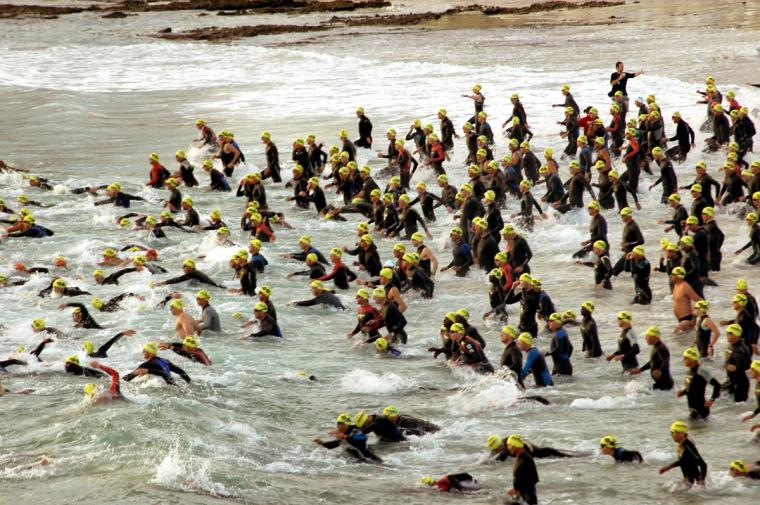
Photo © Anke Van Wyk | Dreamstime.com
IRONMAN might be one of the biggest and most recognizable brands in the event market but that doesn’t mean it’s static.
The multisport organization closed out the year with a report showing the number of athletes under 30 had grown 35 percent.
As large numbers of younger athletes continue to enter the world of triathlon and long-course racing, the average age of participants is decreasing, with the IRONMAN average dropping from 42.5 to 40, and IRONMAN 70.3 from 41 to 39.
In case you’re wondering, a full IRONMAN race (generally just called an IRONMAN) is 140.6 miles (2.4-mile swim, 112-mile bike, 26.2-mile run), while an IRONMAN 70.3 is exactly half that, covering 70.3 miles (1.2-mile swim, 56-mile bike, 13.1-mile run). The 70.3 is a popular entry level into the endurance racing world, since it is less demanding and requires less training than the full distance.
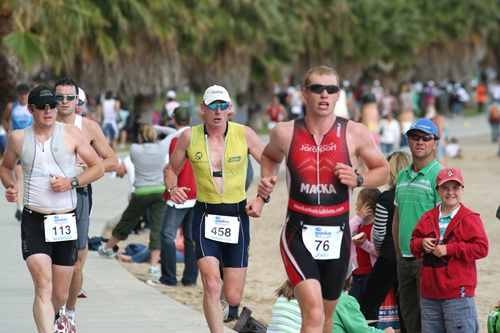
The 18 to 29 age group is particularly strong, showing a 23 percent increase for IRONMAN and 29 percent for IRONMAN 70.3.
Additionally, IRONMAN notes, the number of first-time participants under 30 has more than doubled since 2019 with full-distance IRONMAN races seeing a 46 percent increase in this demographic since last year.
Something else remarkable: Younger women are coming on strong. The female demographic in the 25-29 age group has seen a nearly 44 percent growth year over year, as part of a 9 percent year over year increase of female athletes overall.
More growth is found in the expansion of IRONMAN in new cities across the USA throughout 2025, including Rockford, Illinois; Boise, Idaho and Ottawa, Canada. In 2026, new events include those in Ruidoso, New Mexico; Omaha, Nebraska; Dallas, Texas and Jacksonville, Florida.
But IRONMAN isn’t the only triathlon growing. According to Triathlete.com, “participation surged across multiple race series, new formats brought new athletes into the sport and organizers across the board began rethinking what race weekends should look and feel like.
Supertri expanded its reach, scooping up races in major U.S. markets. The T100 Tour continued to build closed-road, big-city weekends for everyday athletes. XTERRA doubled down on its off-road community. XTRI quietly grew its extreme niche without softening a thing.”
Of course, the question becomes this: What are these races doing right? And while there is not really one definitive answer, it all traces back to the athlete experience and the appeal of the bucket list item.
As Triathlete.com notes, “athletes aren’t just looking for a finish line anymore – they’re looking for a meaningful experience wrapped around the race.”
IRONMAN upped the cache of the race weekend. “We rolled out IRONMAN Lounges across select events around the world in order to help enhance the athlete experience onsite and foster community engagement,” a spokesperson told Triathlete.com.
It worked. Racers consistently praised elements of one race, the expo and village environment, as contributing to the standout experience.
Also worth noting: IRONMAN made some operational changes to races, including instituting a mandatory five-minute separation between pro and age-group waves. The organization also continued modernizing the athlete experience through expanded merchandise partnerships with premium active-lifestyle brands.
For key insights into merchandise, read the latest article in SDM.
Challenge Family, another brand in the multisport space, also made some changes. It did increase its prize purse; however, it did not lose sight of its main demographic: The non-elite racers.
“Our focus is on delivering a world-class experience while keeping entry fees significantly lower than other major series,” a Challenge representative told Triathlete.com.
One distinctive choice in 2025, noted the article, was preserving the welcome party, something that is becoming an endangered species in other brands. At Challenge events, it remains central to the “festival of sport” atmosphere.
And it worked, with the organization reporting growth across all age groups.
Supertri (formerly Super League Triathlon) also saw significant growth, thanks to some operational changes, including going all-in to welcome first-time race participants and make them feel safe.
Triathlete.com reported that the first-timer program, which launched in Chicago, then rolled out to Long Beach and Toulouse, offers guided preparation, calmer swim environments and dedicated start waves. It worked too; about 30 percent of each race field is now made up of first-time participants.
These are far from the only races that have instituted changes and reaped the rewards, though. Many others, such as XTERRA, have switched things up – and made gains.
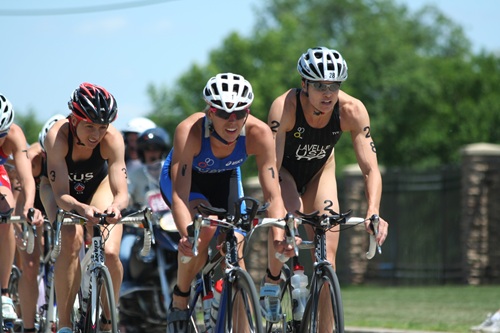
International growth is also noteworthy in many of the major race brands; in fact, according to Athletech News, “Thirty-two IRONMAN and IRONMAN 70.3 races are already sold out for 2026, including 11 of the 14 early-season EMEA (short for Europe, the Middle East and Africa) IRONMAN 70.3 events scheduled between February and June.
But no matter where racers are running, no matter which brand they chose and no matter which race format they select, says PopSugar, there are a multitude of reasons athletes choose to enroll. But it all comes down to this: “You won't ever feel more badass than you do at a triathlon finish line.” And, the article notes, it’s the kind of feeling that makes an athlete think, "I wonder what else I'm capable of?"
And that's something event owners might also be celebrating this time next year.
About the Author