

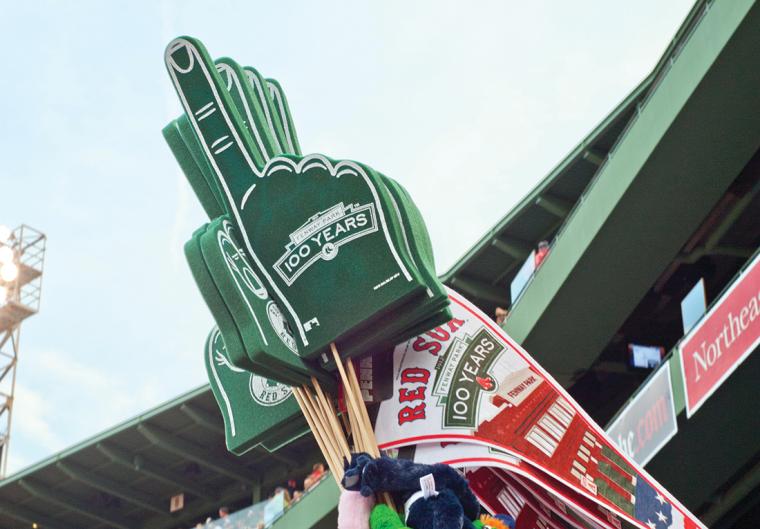
It’s a rare sports event where an athlete doesn’t walk away with something, whether that is a T-shirt, a water bottle or a pair of socks Even a hat or a string backpack are all part of the experience.
And over the years, those souvenirs have changed, according to Josh Ellis, who, as publisher and editor-in-chief of PPAI Media, oversees editorial, research and advocacy efforts on behalf of Promotional Products Association International, the industry’s largest and longest-running non-profit trade group.
PPAI represents nearly 15,000 member companies that manufacture, import and resell promotional products, providing them with resources, education and advocacy. The organization, which has been in existence since 1903, works to unite and advance the marketplace while serving the member community as an advocate devoted to its needs and progress.
Ellis spent some time with SDM to discuss the latest trends in promotional products and how event owners can harness those to stay on-point with athletes and fans.
The Most Popular Items Among Tournament Athletes
While we don’t have much research that would be specific to sports events, we can look at the trends in the industry. The most popular items being given out at events are apparel, followed by drinkware. After that, you’ll see bags and writing instruments as giveaways.
What’s On-Trend?
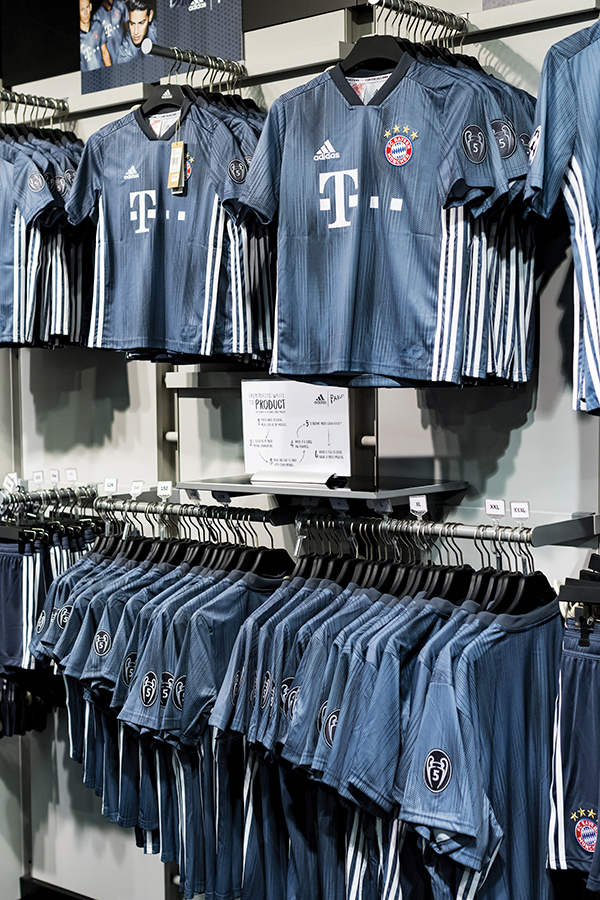
Right now, there’s a definite movement in the industry toward sustainability. The suppliers and distributors of promo products have gotten really keen on that and I would say it has become important to the brands as well.
Items made with recycled materials are big, as are those made by companies that put an emphasis on fair labor. Those are things that are top of mind in the industry right now. Sustainability increases the perceived value of an item.
Historically, recycled items were more expensive but as more people began to demand them, and as they came into popular use, the price has been going down. It’s not just one manufacturer who sources recycled materials and prioritizes fair labor; they are all doing it.
The techniques used in printing apparel and other products have also changed over the years. We’re way past screen printing and are now using direct-to-film (DTF) printing or sublimation, for example.
We’re also seeing an evolution in apparel, specifically when it comes to the placement of a brand or logo. Most people think the left chest is where logos go and while that’s still the most popular place, a lot of companies are starting to put the logo on the nape of the neck of the shirt or even all throughout the item. We’re also seeing, for example, in the case of polo shirts, putting the logo on the arm or right under the buttons. People tend to like that; they think it’s not quite as obvious or ostentatious.
In terms of apparel, the promotional industry tends to follow larger fashion trends. It is important that you have a product that suits people’s current tastes. We’ve noticed a demand for athleisurewear like hoodies, sweatshirts and other sports attire that you can wear to the gym as well as on a Zoom call or even in a social setting.
Fabric Being Used in Apparel
Obviously, people will wear any piece of clothing more if it is made of comfortable fabric. While T-shirts have long been made of cotton, you can specify the grade of cotton you want, from something fairly rigid to something butter soft. There are different cuts of shirts as well, including those tailored specifically for women, as opposed to unisex shirts.
Other Ways of Creating Desirable Items
Something that is particularly important to younger customers has been customization, which gives products more of a bespoke feel. That might mean something like laser engraving on your steel drinkware, or another means of personalization. It not only adds to the appeal of the product but it increases the chances you’ll be glad to receive it and that you’ll keep it around.
The Benefit to Event Owners

Something we can’t say often enough: This is the kind of promotion that keeps paying off. When someone, after a tournament or a convention, wears a shirt or carries a bag or drinkware branded to that event, it serves as a tacit endorsement. It creates a secondary benefit for the event. We like to say it’s the only advertising that people are actually excited to receive.
The term, ‘walking billboard,’ has negative connotations but sometimes, it’s accurate. When people put on a shirt, they are essentially saying, “I did this race/played in this soccer tournament/went to this event and it was fun and it was worth it.” That’s advertising that just keeps being put out there and you don’t have to pay people to do it.
Souvenirs as Status Symbols
Sometimes, an event is really looking to make a statement by using a premium souvenir. Drinkware like Yeti or Stanley Cups have a lot of value in this regard, as opposed to when we were kids and were given plastic water bottles with a logo on them. (If we were lucky, one or two might have had holograms.)
Cups that people will continue to carry around create a high-value marketing opportunity because people will take them out when they go places. If, for example, you have a plastic cup from a fast-food place (and who doesn’t?), it might stay in the cabinet and be used at home. You might look at it once in a while and think, “I want to go back to that taco shop” but it won’t be what you pick up when you’re going out, in contrast to a Yeti mug that you’ll take with you and be proud of.
One example of merchandise becoming incredibly desirable – and profitable – for an event can be seen at the Masters Tournament at Augusta National. Organizers there are turning over $1 million an hour in merchandise sales and every single product is high-quality; after all, if a shirt or a golf towel disintegrated in the dryer, people wouldn’t stand for it. They want that item so they can continue to show they went to the Masters. It’s a great example of brand identity.
What Are Some Concerns Among Members of the Promotional Industry (and Their Customers)?
Our industry is feeling the effects of the tariffs and obviously, that’s a big concern because the cost increases are passed along to the customer. Many “Made in the USA” products can escape the tariffs but because workers in the United States are paid more, the final product also costs more. However, you have a higher perceived value among customers of products that are domestically manufactured, as opposed to those that are coming from China or Vietnam.
How Can Event Owners Craft a Successful Souvenir Strategy?
It’s important to work with your distributor in order to make sure they understand the story you are trying to tell with the merchandise. That means you want to work with someone who has knowledge and experience.
The barrier to entry for selling promotional products is not high but the distributors who have pursued their accreditation have a much broader understanding of the industry, of the products and trends, and of how to service clients. That’s why it’s always advisable to look for those skilled and accredited distributors.
Unfortunately, when people try to source products themselves, without working with an accredited distributor, they wind up getting items from platforms like Temu or Alibaba and they come away disappointed with the quality, and so do the people who receive these items. If you don’t want to do that, it’s good to start early and find the right partner who can help you achieve your goals and create the souvenirs that people will want to keep. SDM
About the Author