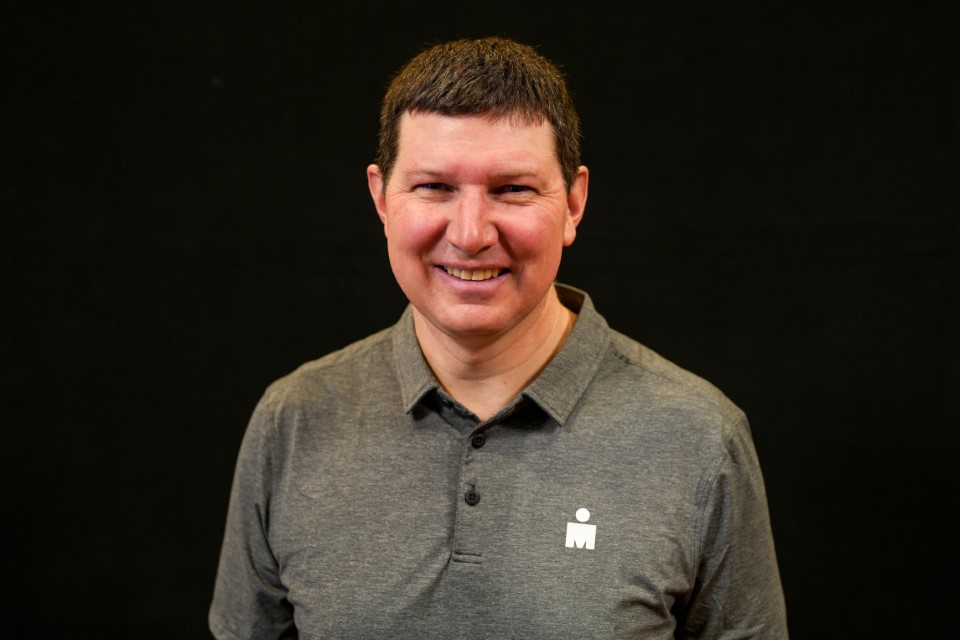


Photo by Patrick McDermott-Getty Images for IRONMAN, used with permission from IRONMAN.
www.ironman.com
The IRONMAN Triathlon is a branded event that includes a 2.4-mile swim, a 112-mile bicycle ride and a marathon 26.2-mile run, completed in that order, for a total of 140.6 miles.
The IRONMAN Group operates a global portfolio of events that includes not just triathlons but the UTMB® World Series trail running events and the Epic Series™ mountain bike races, the Rock ‘n’ Roll® Running Series and multiple others.
Since the inception of the IRONMAN® brand and its first event in 1978, the IRONMAN Group has grown into a global sensation with hundreds of events across more than 55 countries.
Sports Destination Management: IRONMAN is one of the most recognizable brands in the industry. Do you tend to return to the same locations or do you actively seek out new cities to host?
Keats McGonigal: Both, really; our portfolio of events continues to fluctuate every year and we are always looking for new destinations.
SDM: What do you look for in a destination?
McGonigal: For us, it’s about the athlete experience. We want to deliver life-changing, amazing experiences wherever we go. We are always interested in destinations that are ready to partner with us. Our most recent announcements for events in the USA include IRONMAN events in 2026 in Omaha, Nebraska; Dallas, Texas and Ruidoso, New Mexico.
SDM: Do you get a lot of athletes returning each year or do you see a lot of turnover?
McGonigal: A lot of athletes return year over year but we also get a lot of new people. It’s a nice mix.
SDM: We saw the Anything Is Possible® slogan of IRONMAN in action a few years back when Chris Nikic, an athlete with Down Syndrome, finished his first race.
McGonigal: I was fortunate enough to be in Panama City Beach for the race where that happened. It was a super cool and meaningful experience to welcome him to the family. The experience he had was fantastic and he has also been an inspiration to others; now, there are a number of other people with Down Syndrome who are choosing to race. We look at IRONMAN as being able to unlock the human potential.
SDM: Can kids race?
McGonigal: You have to be 18 years old. In Ottawa, we had an athlete who had just turned 18 on race day and we threw him a party.
SDM: What is the economic impact like for a single race?
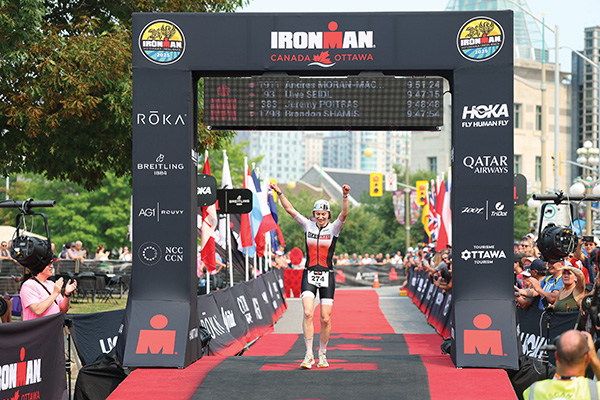
McGonigal: It will vary from city to city but in general, a range of between $10 million to $15 million has been reported over the years. We’re getting between 2,500 and 3,000 athletes plus the people they bring with them to cheer them on or act as their support team. They make what we call a race-cation out of it and visit attractions in that city.
SDM: You noted that IRONMAN is always looking for new destinations. What kind of facilities do you need?
McGonigal: The venue is important, obviously. You’re talking about having space for all three parts of the race, which has to start with a body of water. That can look different in each destination; it might be a lake, a beach or a river, for example. Ideally, we want the course to really showcase the iconic areas of the city so we try to ask about popular places for running and cycling. Depending on the space available and the layout for the course, some cycling or running sections might be out-and-back, some might be loops, etc.
Beyond that, we want to create a partnership that works for everybody. One thing unique to us is we want to go into a community and be there long-term. We have some destinations where we have been coming back for 20 years.
SDM: If people want to host an event, how do they express interest?
McGonigal: They can email John Poole, Vice Present of Business Development, at John.Poole@ironman.com. SDM
About the Author