
Photo © Dusko Jovic | Dreamstime.com
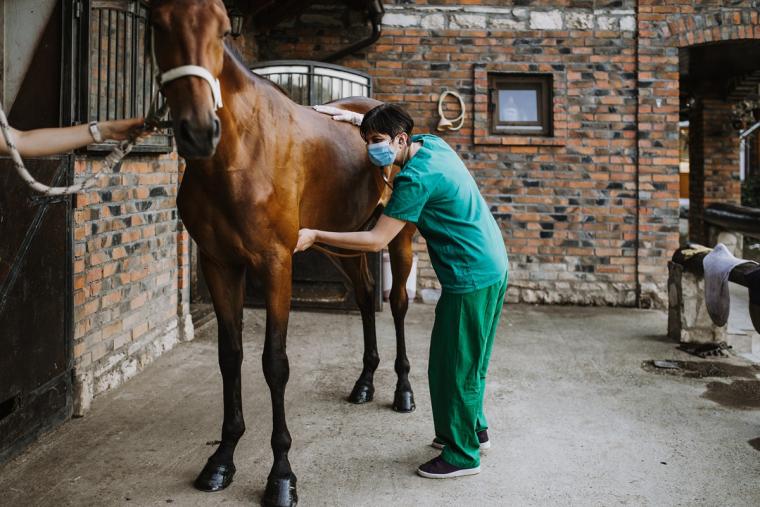
An outbreak of Equine Herpesvirus-1 (EHV-1), a highly contagious and often deadly infection affecting horses, is taking a toll on competitive events.
Multiple horses that attended a World Pro Rodeo Association (WPRA) event in Waco, Texas, from November 5-9, and the Barrel Futurities of America event in Guthrie, Oklahoma, from November 17-18, showed signs of illness and tested positive for EHV-1, notes CBS News.
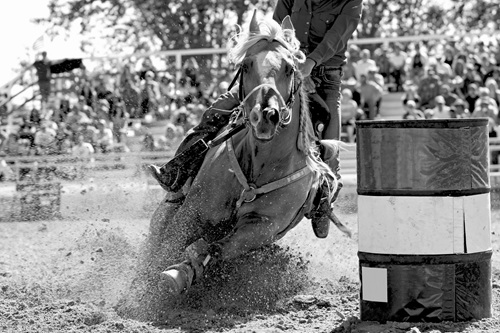
Event owners are scrambling to balance keeping horses safe and keeping events running.
KSAT-News reports that the Uvalde Rodeo Qualifier, a major qualifying event for the San Antonio Stock Show & Rodeo was canceled last week due to the outbreak.
In Fort Worth, the Stockyards Championship Rodeo was switched over to a bull riding-only competition in order to avoid being part of the spread of the virus which, veterinarians say, has already claimed the lives of several horses.
“It’s easily transmitted, which is part of the problem,” local veterinarian Michael Martin told reporters at KSAT. “There’s already been several horses that have died, so it can be quite deadly.”
Martin said exact case numbers are unclear, but he noted that while humans are not at risk from the virus, it spreads between horses through horse-to-horse contact, as well as inadvertently by humans via clothing, hands or equipment. Contaminated feed can also spread the virus.
EHV-1 can cause respiratory illness and, in severe cases, Equine Herpes Myeloencephalopathy, a neurological disease, according to the Texas Animal Health Commission. It can also cause neonatal death in pregnant mares.
Some stable owners and rescue groups have also quarantined their horses or closed to the public to keep down the potential for contagion.
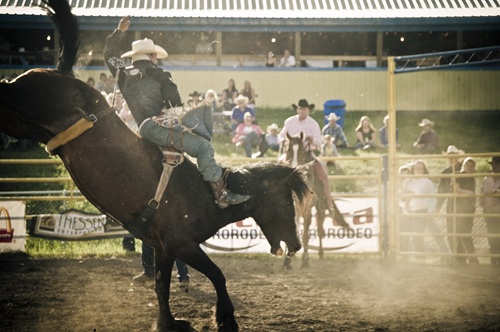
The dominos have continued to fall. In Las Vegas, the National Finals Breakaway Roping has also been postponed, along with adjacent events, the PRCA Permit Challenge and Benny Binion Bucking Horse Sale.
The PRCA and Las Vegas Events said it will continue to monitor the situation and also announced updated equine health guidelines for the National Finals Rodeo scheduled for December 4 through 13 at the Thomas & Mack Center.
A PRCA spokesman wrote in an email Friday: “As of today, there is no impact to the competition of the NFR. While some additional precautions will be in place to ensure the animals avoid unnecessary contact with non-secure animals, this will not impact the competition.”
The event, which about 340,000 people travel to see, brings a $200 million impact to the city, according to LVCVA data, says the Las Vegas Review-Journal.
The infection has been confirmed in Texas, Oklahoma, New Mexico, South Dakota, Colorado, Arizona, Washington and Louisiana, with alerts issued in other states like Florida, Missouri and Idaho due to potential exposure. It is likely, as awareness spreads, more cases will be found.
For events that do go forward, attendance could suffer, since horse owners may be hesitant not only to bring their animals into a competitive event, but to then return them home where they could infect still others. Two key elements of competitive events, horse trailers and large stabling areas, have been cited as places where the virus is easily transmissible.
There is a vaccine for EHV; however, although the vaccine can protect horses against the respiratory form of the virus (as well as the threat it can pose to pregnant mares), the vaccination will not be effective against the neurologic form (EHM).
The University of Missouri College of Veterinary Medicine notes that It is not recommended to vaccinate exposed horses during an outbreak. However, non-exposed horses should receive an EHV-1 booster if they have not been vaccinated within the past three months.
“If a horse was potentially exposed, vaccinating now can cause more confusion than clarity because it can interfere with how the immune system responds during the early stages of infection,” says Kile S. Townsend, DVM, MS, FHEA, DACVIM (LAIM). “For healthy horses with no known exposure, a booster is still a smart step in lowering risk.”
The US Equestrian Federation website includes a notice to members, stating that to date, all EHV-1 cases have been confined to the barrel racing/women’s professional rodeo-specific population of horses.
However, the organization notes, “any USEF horses housed on the same premises as horses that have participated in barrel racing and rodeo events in Texas and Oklahoma should remain on the premises and be monitored for signs of illness.”
USEF, in the meantime, will move forward with its events for now but has announced that it will implement biosecurity procedures, a list of which can be found here.
About the Author