

Photo © Maxim Blinkov | Dreamstime.com
While everyone was busy watching the FIFA World Cup, the IOC quietly added two events to the Olympic program, and both stand to benefit event owners sooner rather than later.
Synchronized skating and freeriding (in both skiing and snowboarding) will both be contested in the French Alps at the 2030 Winter Games.
According to Inside The Games, the skating discipline to be contested in the Olympics in teams of nine, colloquially known as Synchro9, will first be seen at the 2028 Winter Youth Olympic Games in northern Italy.
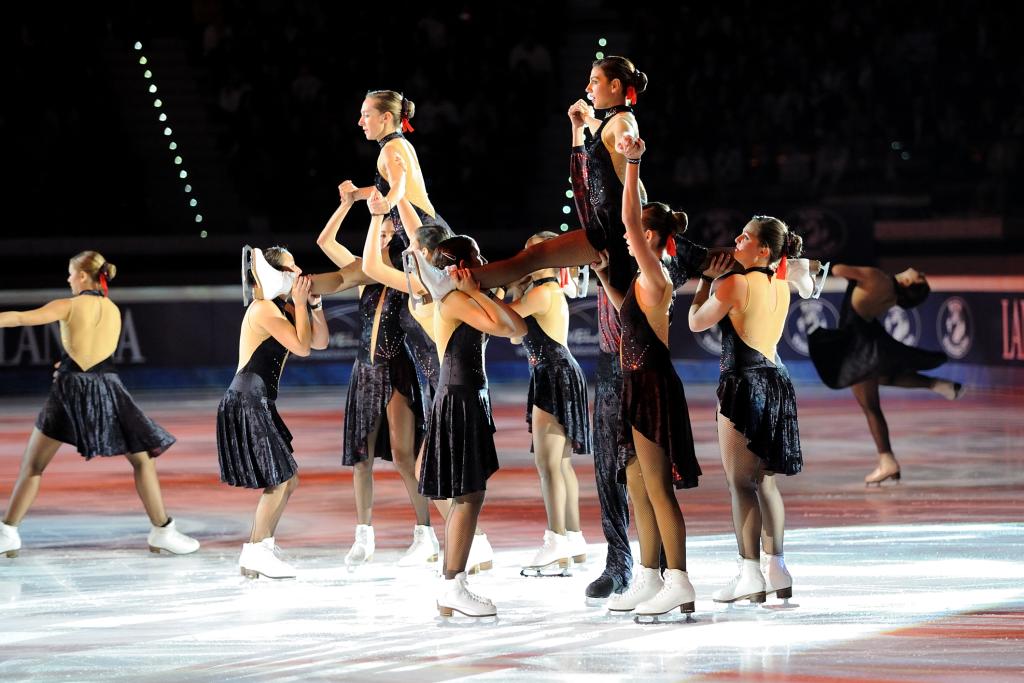
Initially, the event will only be contested by women, providing an opportunity for the IOC to assess the feasibility of including a men's competition at the French Alps 2030 Games.
In general, Kyleigh Gaff, Director of High Performance Operations at U.S. Figure Skating, told SDM in November 2025, “synchro is considered the fifth discipline of skating; the other disciplines that everyone is familiar with, having seen them at the Olympics as well as at other levels of competition, are men’s, women’s, pairs and ice dancing.”
And while the Olympic competitions will (at least initially) be for women only, when competing at the club or school level, the format may be different.
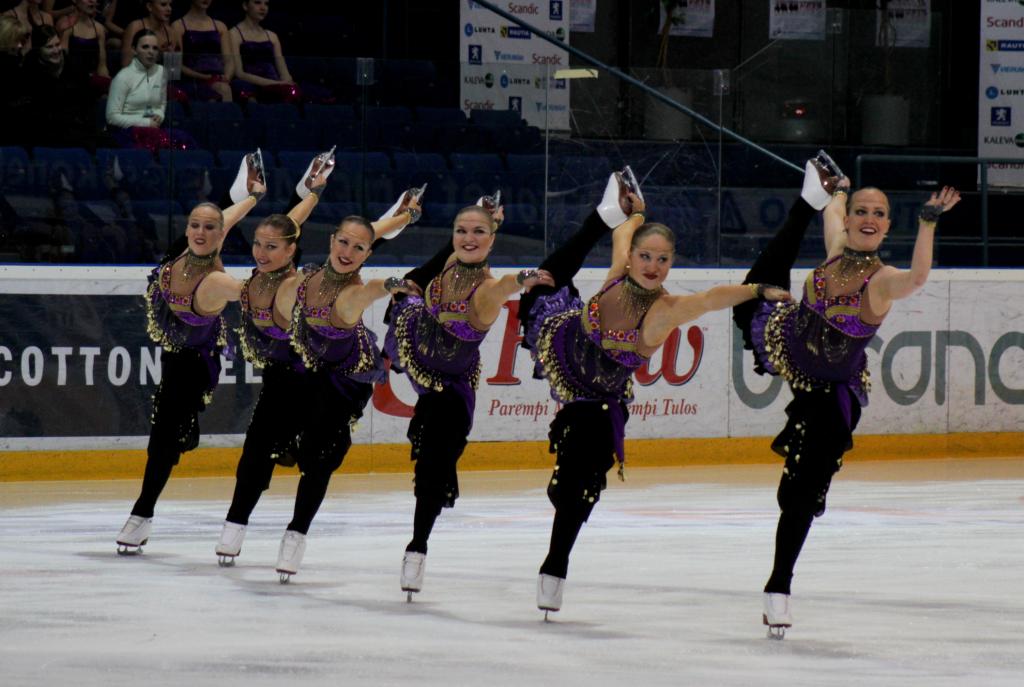
“Teams can be co-ed or have members all of the same gender. That is a very cool aspect of the sport; there are no restrictions. It breaks barriers by allowing teams to be able to bring in those pairs elements like the death spiral.”
Synchro is popular nationwide but some regions, Gaff added, are stronger than others: “The New England area is a hotbed for the sport. So is Chicago. Michigan is as well; in fact, the discipline was invented in 1956 in Ann Arbor, where it was called Artistic Skating and was first seen as intermission entertainment during University of Michigan ice hockey games.”
An example of ice hockey cheer, another aspect of synchronized skating, can be seen here.
But synchro won’t be the only new kid on the block in 2030. The adrenaline-fueled discipline of freeride will make its debut.
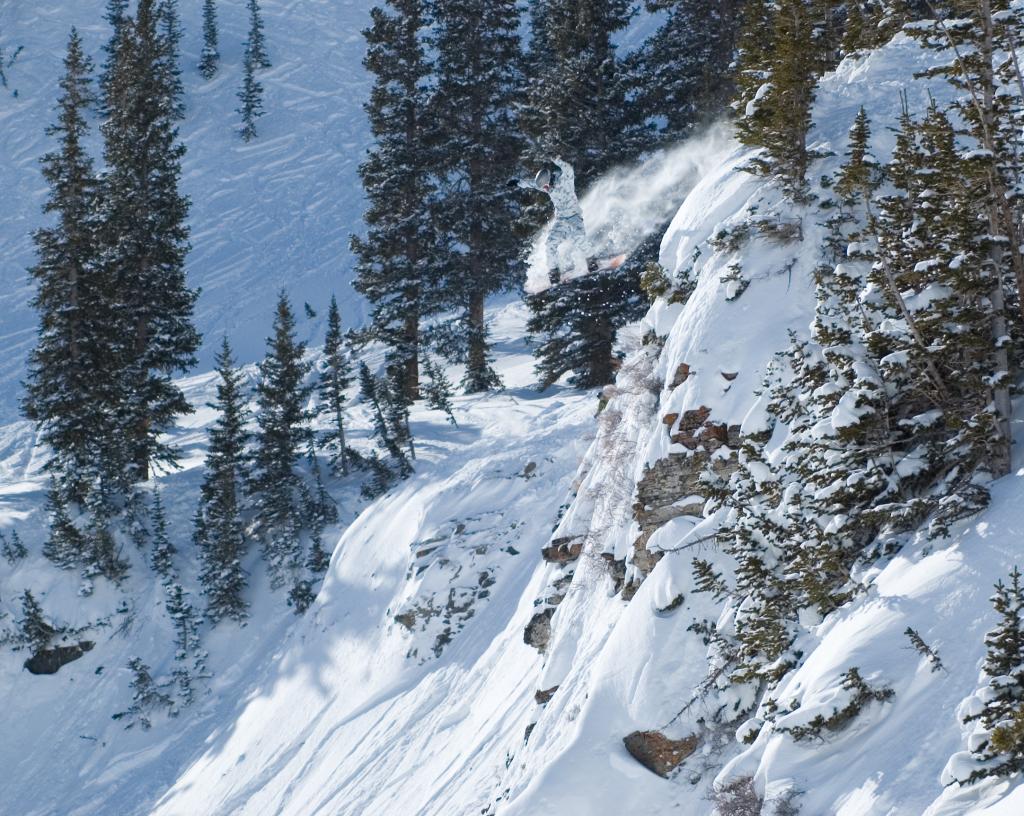
As GearJunkie noted, unlike other Olympic snow sports, which usually rely on purpose-built courses repeated by every competitor, freeriding takes place on natural, ungroomed terrain, without a set course.
Freeride athletes, as a result, have more leeway; they may launch themselves off steep cliffs, over rocks and around other obstacles, with judges assessing style, commitment and degree of difficulty.
Often, freeriders will throw tricks as they go, popping backflips, 360s and other aerial maneuvers. Some go as fast as possible, dropping down steep gorges and through areas where rocks and roots lurk under the snow.
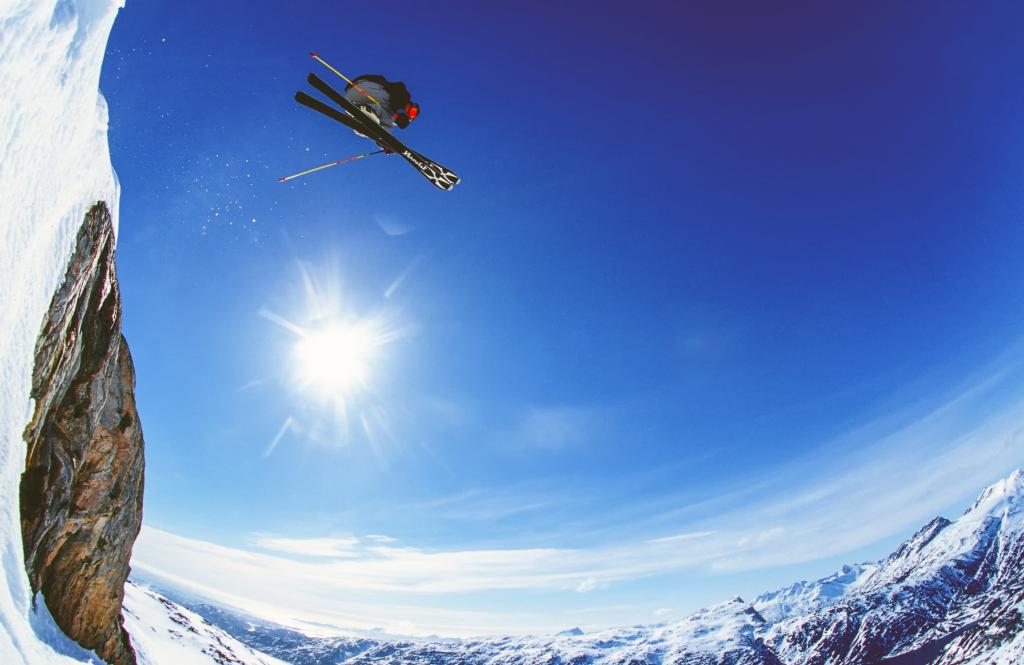
Inside The Games said, “The discipline has become increasingly popular among younger audiences, which may have influenced its inclusion, as the IOC continues to pursue its objective of bringing the Olympic Movement closer to younger generations.”
While virtually no sport contested by skiers and snowboarders (or anyone else, for that matter) at the Olympics is without risk, freeride is particularly dangerous and therefore, demands an incredible level of skill to compete in successfully.
Powder.com stated, “In the current highest level of freeride competition, the Freeride World Tour, judges based on five categories: line, control, technique, fluidity and air and style. That may sound complicated, but the winning runs essentially boil down to the ones that are most fun to watch — think big cliff jumps and impressive off-trail skiing.”
The IOC tends to weigh multiple criteria before bringing a sport onboard; among those are athlete participation in the sport on a worldwide basis (with an eye to growth or decline), viewership, podium diversity (in other words, whether the same nations are dominating in each Olympic cycle) and multiple other factors — including whether both genders participate in the sport.
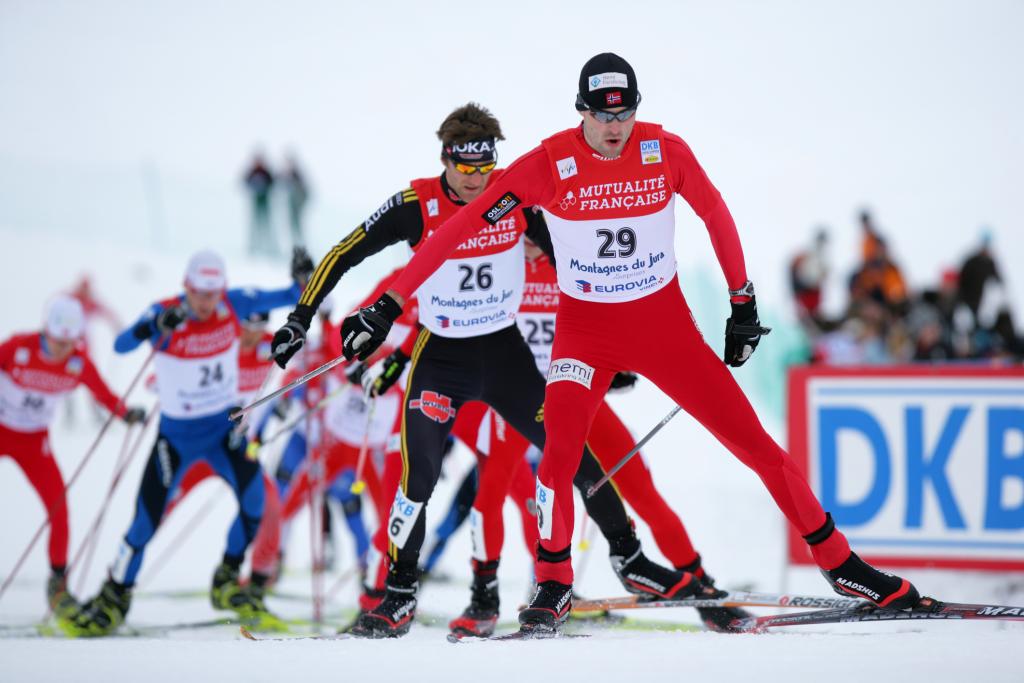
This year, in its evaluations, the IOC also decided to cut a snow sport discipline: Nordic Combined, which features ski jumping and cross-country skiing.
Nordic Combined has been a part of every Winter Olympics since the Games began in 1924, reported the New York Times.
“Today, the biggest defeat didn’t happen on the field,” wrote French Nordic combined athlete Romane Baud on Instagram. “It happened in the IOC meeting room. Congratulations @iocofficial, you broke thousands of hearts and dreams.”
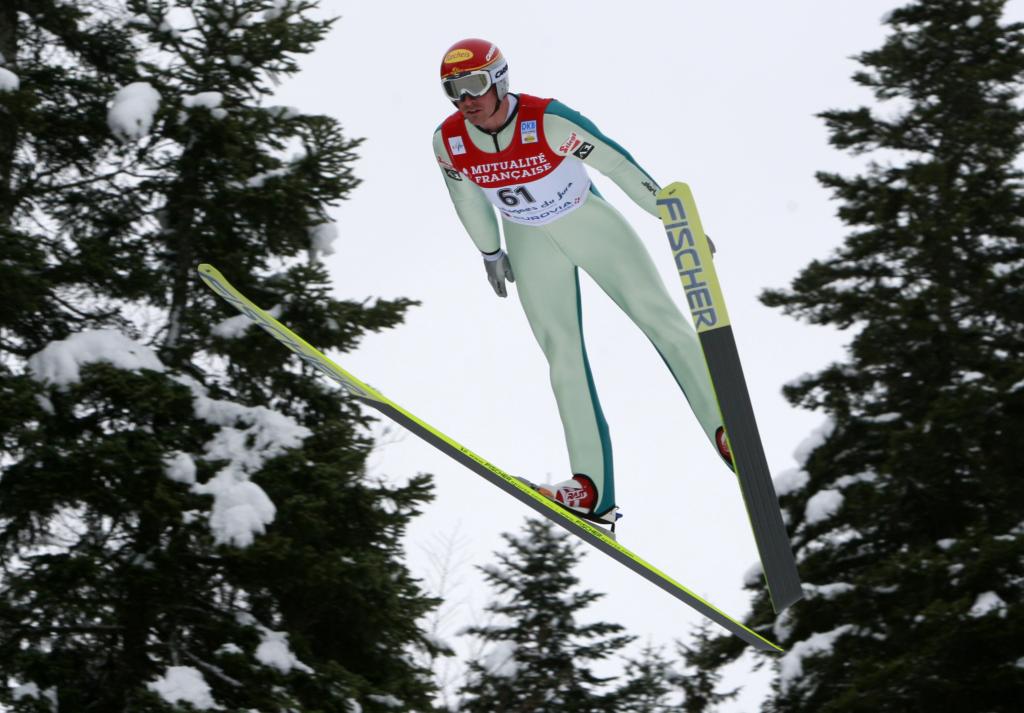
The decision is particularly disheartening for women’s Nordic combined athletes such as Baud, who never got to compete at the Olympic level in the first place. Nordic combined has been men-only at the Olympics, and it was the only sport at the 2026 Games without a women’s competition.
Reuters added, “It had been fighting for survival since 2022, when Olympic chiefs rejected the addition of a women’s event for the 2026 Milano Cortina Games, citing a lack of global universality and a narrow base of competitive nations.”
Another discipline that was widely considered to be on the chopping block was snowboard parallel giant slalom; however, Reuters stated, "it had demonstrated significant improvement since Beijing 2022 across a number of popularity indicators."
Related Content
About the Author