


National Senior Games Week: Celebrating the Power of Active Aging
March marks National Senior Games Week, a nationwide celebration of athletes ages 50 and up. It also celebrates the opportunities for health, fitness and competition at every stage of life.
Across the country, the National Senior Games Association (NSGA) and its State Senior Games members will host special events, highlight inspiring athletes and showcase the movement through social media and community engagement. Senior Games participants and supporters will also rally to raise awareness throughout their networks.
Held every two years in a different U.S. city, the National Senior Games bring together athletes ages 50 to 100+ to compete in more than 25 sports. But the event is about more than medals. It celebrates longevity, community and the lifelong pursuit of health.
Athletes qualify through State Senior Games competitions, which foster both competitive excellence and meaningful social connection. And host cities benefit significantly, welcoming not just thousands of athletes, but also their families and supporters, generating measurable economic impact.
The next National Senior Games will be hosted in Tulsa, Oklahoma in 2027, and the NSGA is planning a special community event with local partners during National Senior Games Week to build excitement for what’s ahead.
Looking Ahead to 2027 in Tulsa
Tulsa hosting the 2027 National Senior Games positions the city as a national destination for active aging. With first-class sports venues, vibrant entertainment districts and welcoming hospitality, Tulsa offers the ideal backdrop for a championship of this scale.
The most recent Games, held in Des Moines, Iowa in summer 2025, welcomed 12,532 registered athletes, the second-highest participation total in event history. Athletes traveled from across the country, reinforcing the Games’ growing national reach and reputation.
Growing and Evolving the Sports Lineup
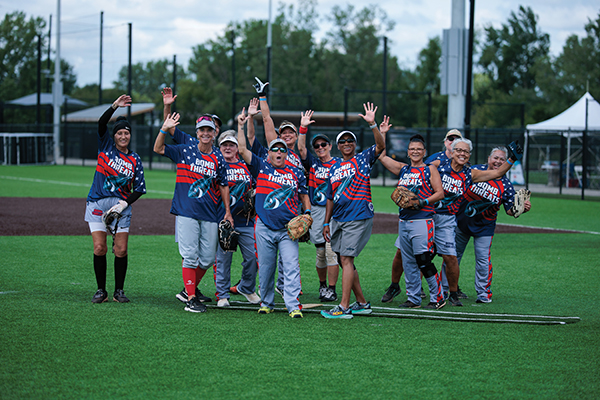
The National Senior Games continue to evolve alongside athlete interests and national participation trends.
Pickleball remains the largest sport at the Games, now requiring more than 60 courts and hosting approximately 2,200 athletes. Several other events, such as team sports, track & field, swimming, tennis, bowling and cycling, also continue to see strong participation.
In 2025, the National Senior Games expanded its offerings with the addition or return of five open sports (beach volleyball, disc golf, powerlifting, tai chi and billiards) along with four new events: basketball shooting skills, golf scramble, the one-mile road race and non-ambulatory pickleball.
The response was overwhelmingly positive. Powerlifting alone attracted 186 athletes, while beach volleyball welcomed 148 competitors across multiple divisions.
Building on that momentum, five additional open sports will debut in 2027: bocce, climbing, dance, flag football and shooting.
These sports and events are designated as “open,” meaning athletes are not required to qualify at the state level to participate. Open sports broaden access to the National Senior Games, create new entry points for first-time participants and encourage involvement at all ability levels.
Before adding any new sport, the NSGA evaluates participation trends, national availability of facilities, financial sustainability and whether state programs can offer qualifying opportunities.
Over the years, the National Senior Games has made thoughtful adjustments to its sports lineup to ensure the long-term sustainability of the event. Following the 2025 Games, racquetball, hammer throw and race walk were retired from the national program.
These decisions are never easy. We understand the deep passion athletes have for their sport, and we respect the dedication it takes to train and compete at a high level. However, as we plan each Games, we must carefully evaluate factors including participation trends, facilities availability in host cities and the overall financial and operational impact of each sport.
In some instances, securing appropriate venues has become increasingly difficult. In others, participation levels no longer support hosting a full national competition. Our responsibility is to ensure the Games remain strong, competitive and sustainable for future generations of athletes.
Importantly, State Senior Games organizations may continue to offer these sports within their own programs, providing athletes with ongoing opportunities to train and compete at the local and regional levels.
The Mile for the Ages: An Intergenerational Highlight
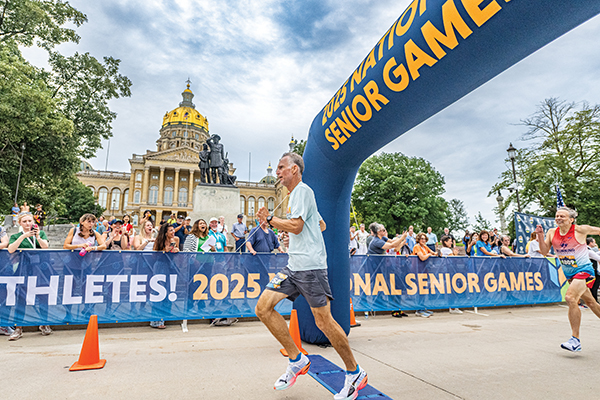
One of the newest and most engaging additions to the National Senior Games in Des Moines was the Mile for the Ages, a one-mile community run/walk open to athletes, families and residents of all ages. Approximately 300 participants joined the inaugural event, which emphasized the Games’ broader message: movement matters.
Following its strong debut in 2025, the Mile for the Ages will become a signature feature of future National Senior Games, as host cities, including Tulsa, embrace and grow this intergenerational and community celebration of movement.
More Than Competition
To be eligible for the National Senior Games, athletes must be age 50 or older. While some competitors are highly trained and medal-focused, others participate for friendship, travel and personal achievement. From first-time athletes to seasoned veterans, the Games celebrate participation at every level.
Ultimately, the National Senior Games are about redefining what it means to age, demonstrating that competitive spirit, physical vitality and meaningful community connection do not fade over time.
Whether racing on the track, competing on the pickleball court, or walking a mile alongside family and friends, the message remains clear: staying active is not bound by age, it is a lifelong pursuit. SDM
Related Organizations
About the Author