

Images from Washington Midsummer Renaissance Faire used with express permission, courtesy of Bob Harbison| Wandering In Time Productions
Summer brings baseball (and this summer, soccer), a blitz of travel tournaments —oh, and jousting, sword fighting and all manner of ancient sports as Renaissance fairs come to town.
Oh, side note: Alternatively, these events may be known as Medieval festivals — although they’re not technically the same time period. The Medieval Era (also known as the Middle Ages) spans roughly from the 5th to the late 15th century (approx. 476–1500 AD).The Renaissance was a cultural renewal that followed, taking place from 14th to the 17th century. The two periods do have some overlap; however, they are not the same.
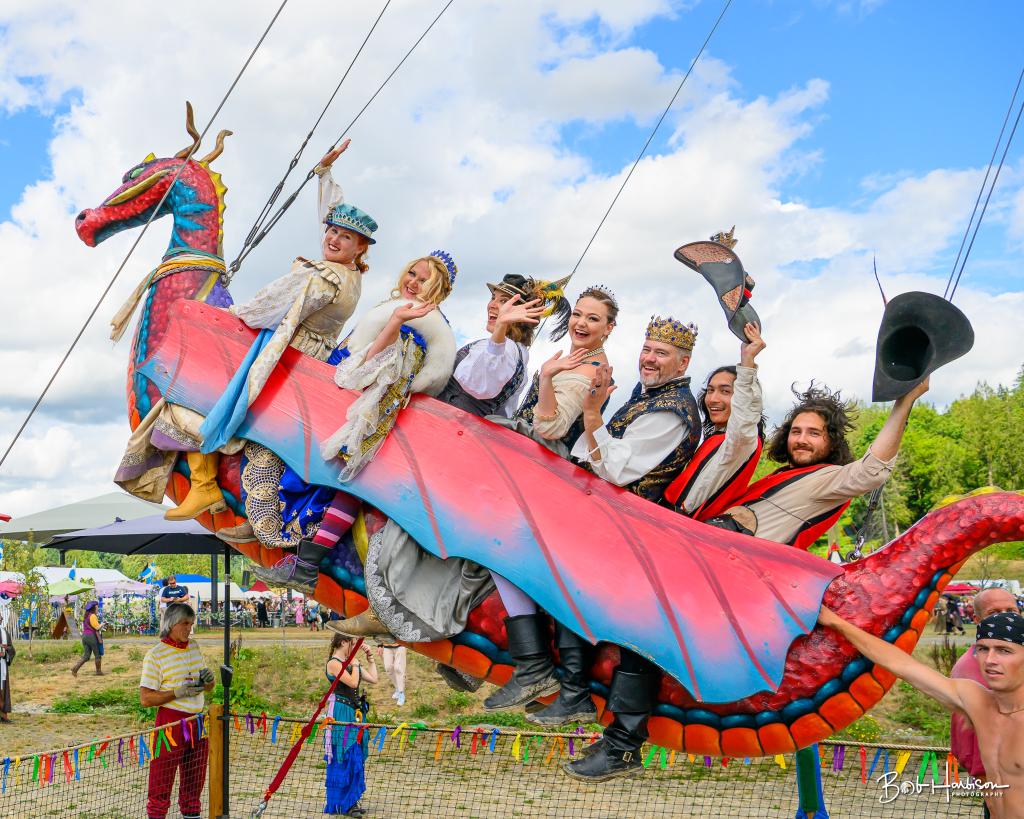
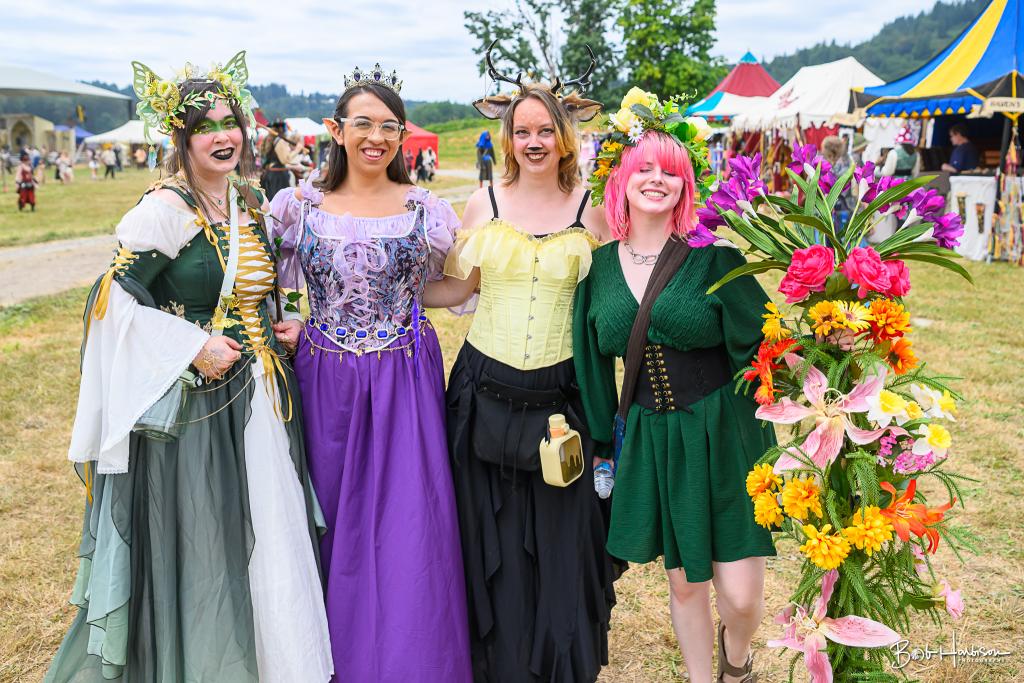
And according to an article in The Conversation, you can’t actually expect too much emphasis on historical accuracy, since such festivals tend to mingle everything from historical characters spanning the centuries (Blackbeard the Pirate may become involved in discussions with King Henry VIII) to fantasy (hobbits, elves, mermaids, Trekkies and gnomes may be present), to all types of whimsical getups worn by visitors, up to and including paper crowns from Burger King.
“Here, fidelity to the facts is an afterthought; it actually might ruin the fun,” notes the article. “In a real world characterized by political upheaval, information overload, invisible surveillance and shadowy villains, perhaps the fair, with its simple prism of good and evil, becomes a space of comfort – a curated cultural experiment that’s also an improvised escape.”
But we digress. It’s the rare state that doesn’t have at least one such festival, and depending on how large that state is, multiple festivals. The timing of the festival depends on the local weather.
While costumes, skits, comedy and strolling performers are one mainstay of such events, so are the sports. And while (spoiler alert!) none will replace baseball in popularity, they could get some kids interested in history — and maybe even lead them into sports showcased at such events, including archery, axe throwing, fencing and equestrian disciplines.
And it all starts with what is seen at the fairgrounds .Horseback jousting, for example, can take many forms, notes High on Adventure:
- Running at the Rings challenges the knights (okay, actors dressed as knights) to gallop through a set course while attempting to spear rings suspended from poles, attached to a fence rail, or held by brave squires. He who collects the most rings is the winner. (Ring jousting is the official state sport of Maryland, by the way.)
- In Quintain Jousting, a post is set into the ground with a revolving arm on top; a shield is affixed to one end of the arm and a sandbag to the other. Knights charge at top speed at the target, endeavoring to hit the shield and set the arm spinning yet maneuver away quickly enough to avoid getting whacked from behind by the sandbag.
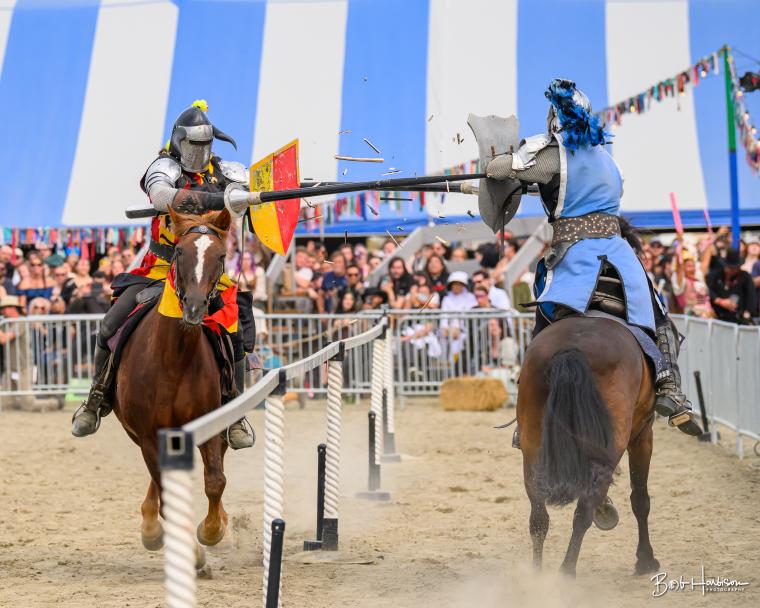
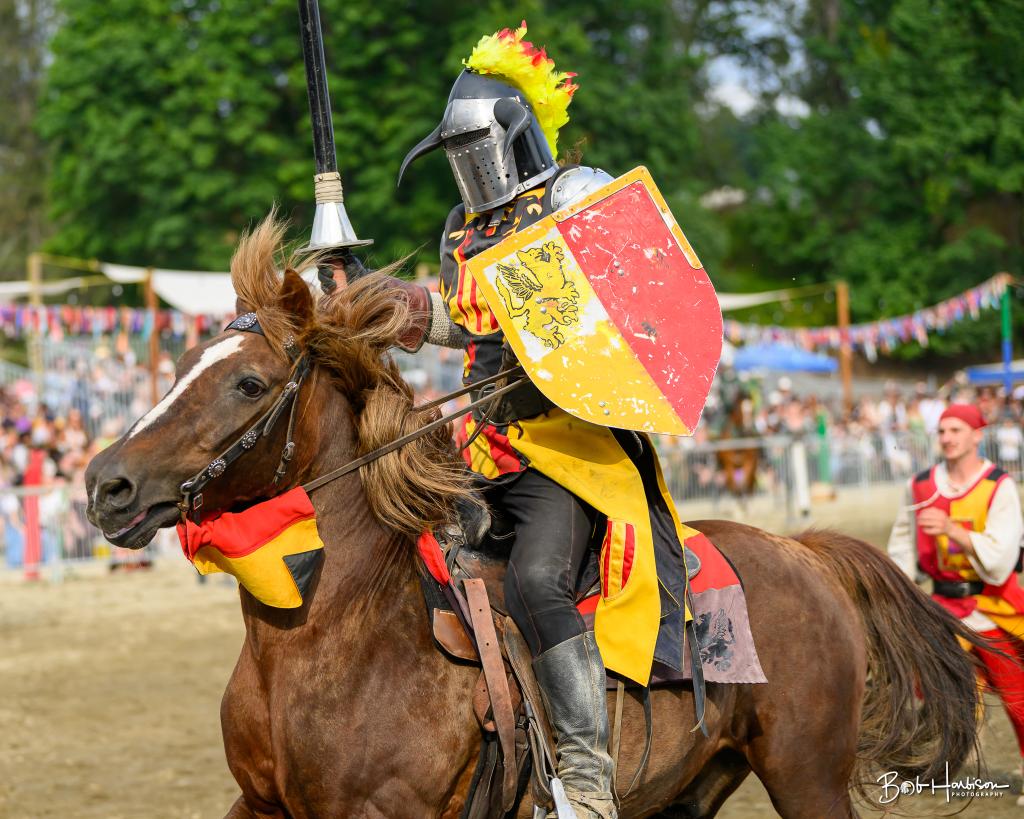
- In the Joust of War, says Met Museum, two mounted knights charge toward each other while holding out their lances. The goal is to gain points by hitting the other rider's shield or head or by knocking him off his horse entirely (known as unhorsing the opponent; obviously, jousting isn’t for the faint of heart). A rider can also earn points by breaking off the tip of his own lance and can earn even more by shattering his lance completely.
And make no mistake; this is why many people come to these fairs, says Maryland’s Severna Park Voice, noting, “Jousting is the biggest show at the Maryland Renaissance Festival each year. According to Royal Court director Mary Ann Jung, each joust can draw between 4,000 and 5,000 people.”
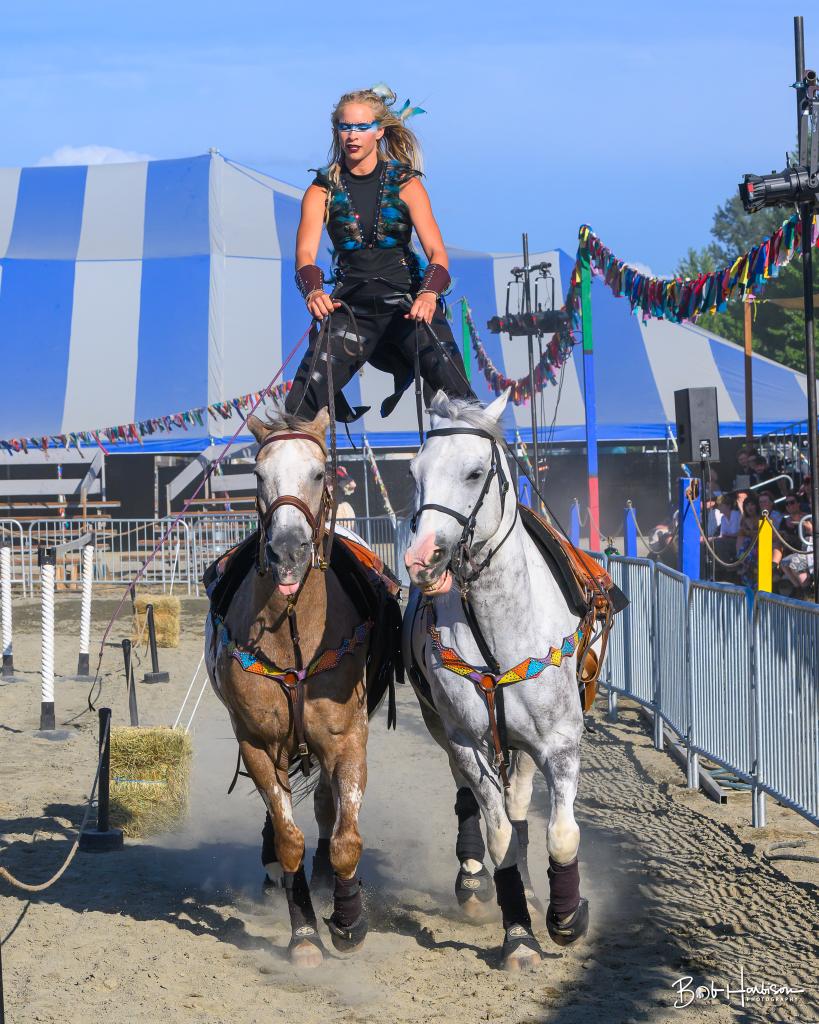
Another equestrian sport found at RenFests, as they have become colloquially known, is Tournament of the Horse, with the knight and horse navigating a complex route or maneuvering through challenges (like doing acrobatics or picking items up off the ground as the horse gallops along) with or without the use of reins. Chariot races may also be held.
High on Adventure helpfully points out that the non-horse discipline known as “steel combat melee pits groups of armored knights armed with swords, lances, maces and pitifully small shields, against each other.”
Animal acts that use birds of prey (eagles, owls, hawks, falcons and the like) are popular as well.
But something RenFests do remarkably well is pulling their audience into the event, and that starts with youth. Fairs often have a stock of foam weapons and stick horses and will teach children the rudiments of jousting and fencing.
Axe throwing, knife throwing and archery, all of which have gained tremendous popularity, can also be found at RenFests. In some cases, expert athletes will host demonstrations of skill, while in others, there may be areas where fairgoers can explore the sports for themselves — while appropriately supervised.
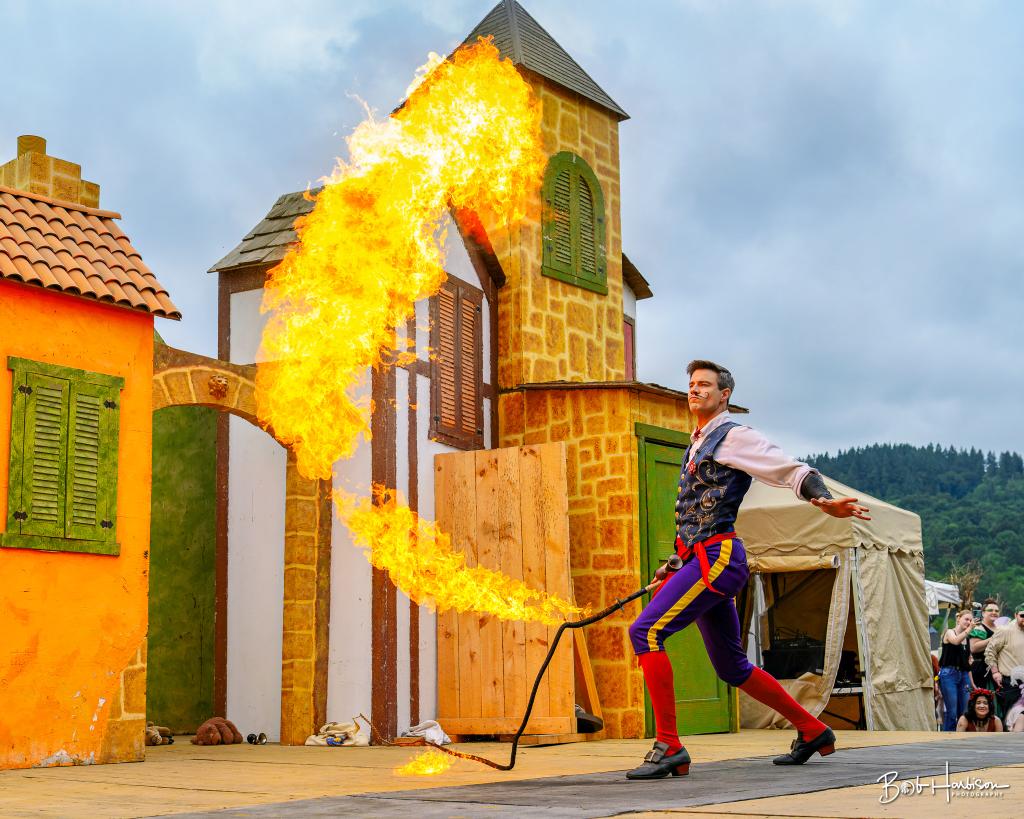
And they draw crowds because of the talent as well. The Lynnwood, Times noted that in 2025, the Washington Midsummer Renaissance Faire included social media sensation, America’s Got Talent contestant and Guiness World Record holder Jacques ze Whipper.
RenFests also present opportunities for the colocation of sports of other nationalities. Gaelic sports, such as camogie, Gaelic football and hurling are often showcased by organizations dedicated to preserving such sports.
Another frequent invitee are Highland sports, descended from ancient Scottish traditions. Many states have Highland games organizations; full information can be found on the website of the Association of Scottish Games and Festivals.
Highland sports often include throwing events like the caber toss, weight for height, shot put and hammer throw and others, all accompanied by bagpipe music (of course).
RenFests become fixtures on regional calendars, drawing attendees across all demographics and age groups.
“Today, there are at least 66 long-running Renaissance Faires in North America with at least a two-week or better run and have at least a five-year continuing run,” adds the Lynnwood Times.
And at the end of the day, RenFests can be serious heavy hitters when it comes to economics. In Texas, for example, nearly a dozen events take place each year. The Scarborough Renaissance Festival, in Waxahachie, just south of Dallas, reaps a hefty harvest:
"It does bring a significant economic impact to Waxahachie. It fills our hotels up to about 90-95% occupancy. It also brings approximately a million dollars in revenue to the city of Waxahachie," said Waxahachie Mayor Billie Wallace.
With the flow of funds also comes the increase in foot traffic. Wallace said 95% of the festival attendees are from out of town, and they've been sticking around.
"Waxahachie is growing rapidly and it has been for a few years now and we don't expect that to slow down," Wallace said.
RenFests also provide a place for small business owners, such as artists, crafters, fortune tellers and others, as well as those whose proceeds go to charities, to showcase and sell their work to an eager audience, creating residual impact.
Related Organizations
About the Author