

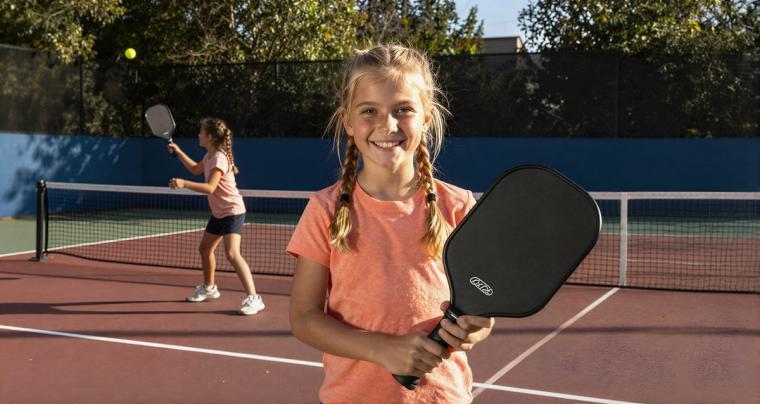
Photo © Utaem2016 | Dreamstime.com
This is going to be a big year for sports, from the Winter Olympics next month in Italy to the FIFA World Cup throughout North America this summer. But a lot is happening in the world of youth sports, too.
The Aspen Institute’s Project Play has identified “10 youth sports trends to watch in 2026” — though they really are questions to consider — which provide a roadmap of sorts to help event organizers navigate increasingly uncharted territory.
As the institute notes in the introduction to its “State of Play 2025” report, “expensive club programs, the growing influence of technology and private equity, government raids of parks where immigrant children play, and other developments have created a dynamic environment that suggests a reshaping of the youth sport landscape.”
Here’s a rundown of five topics to pay attention to this year:
1. How high can youth sports costs go?

According to the report, “the average U.S. sports family spent $1,016 on their child’s primary sport in 2024, a 46% increase since 2019.” That’s twice the rate of inflation and doesn’t even factor in the current tariffs, which could drive up the cost of everything from camps and other travel to basic equipment.
More than 60% of imported sporting goods come from China, ESPN.com reports. Baseball was the most expensive of the three most popular sports, costing more than soccer and basketball.
Project Play’s Take: “How families and sports providers handle these rising costs and the economy will be important to watch in 2026. Why does it matter? Achieving the federal government’s goal of 63% youth sports participation by 2030 could save the U.S. $80 billion in direct medical costs and productivity losses and deliver over 1.8 million more quality years of life to Americans.”
2. How will NIL change the incentives?
Most states now allow high school student-athletes to be paid for their talent through name, image and likeness (NIL) deals, according to the report, which cites jaw-dropping examples — including an eighth-grade football player in Washington, D.C., who has a sponsorship deal with a local fashion brand and hired an agent. Furthermore, Aspen Institute surveys indicate about two in 10 youth sports parents believe their kids have what it takes to play Division I college sports.
Project Play’s Take: “Adding the potential of NIL money in real-time brings new variables to how families view sports. As NIL opportunities grow more lucrative and visible, families are making more strategic choices about where to invest their time and money. Increasingly, that investment is being funneled into three sports — football, basketball and volleyball. … Will we recognize youth sports in five or 10 years?
While NIL will financially help a select group of athletes and their families, could it trigger the downturn of certain sports at the youth level that are not viewed as a viable pathway for NIL deals? Will children specialize in one sport at even younger ages because of the potential of real-time wealth?”
3. How will AI reshape youth sports?
Despite its ability to create more engaging athletic experiences by developing performance training programs and providing valuable metrics, artificial intelligence also has raised concerns about data privacy and what role technology should play in coaching. The report notes that one soccer club in New York offers parents player analytics for their kids — for $300 per year.

Project Play’s Take: “Some worry that relying too heavily on AI-driven insights could dilute the human element and emotional connections central to the coach-athlete relationship. Also, the digital divide is real. The high cost of some AI technologies may only widen the gap between sports programs and athletes who have money and those who are under-resourced.”
4. Has pickleball now captured kids?
According to the report, the number of kids between the ages of 6-12 who played pickleball at least once in the past year doubled over a two-year period, reaching 2.2 million in 2024, and teenagers increased their pickleball participation by 157% over two years.
Project Play’s Take: “The sport is growing among children. YMCAs, Boys and Girls Clubs and Dill Dinkers facilities host pickleball lessons and matches. Youth pickleball associations are emerging. Montgomery County, Md., the first school district to make pickleball a varsity sport, sent 31 athletes to China in a pickleball exchange trip to build positive relations. And pickleball tournaments for young people are popping up around the country.”
5. How will gambling impact youth sports?
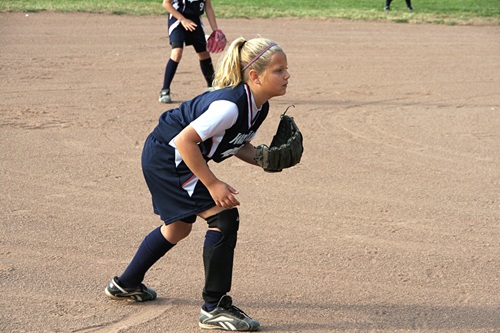
Believe it or not, Little League International had to caution fans against betting on games involving kids via unregulated overseas sportsbooks. The report references one of those sportsbook firms, which “saw more bets on Little League games than any pro tennis or soccer match over a two-week period in August.” Gun violence at youth sports event also has reportedly been triggered by gambling.
Project Play’s Take: “This isn’t a new phenomenon, just a growing concern. In the Aspen Institute’s 2018 State of Play Mobile County (Alabama) report, 26% of surveyed youth said they had played in a game where adults bet money on who won or the final score. Children who played tackle football, basketball and baseball were by far the most likely to say adults gambled on their games.”
To see the other five questions and read more details, see the “State of Play 2025” report here.
About the Author