

Photo © Jim Lambert | Dreamstime.com
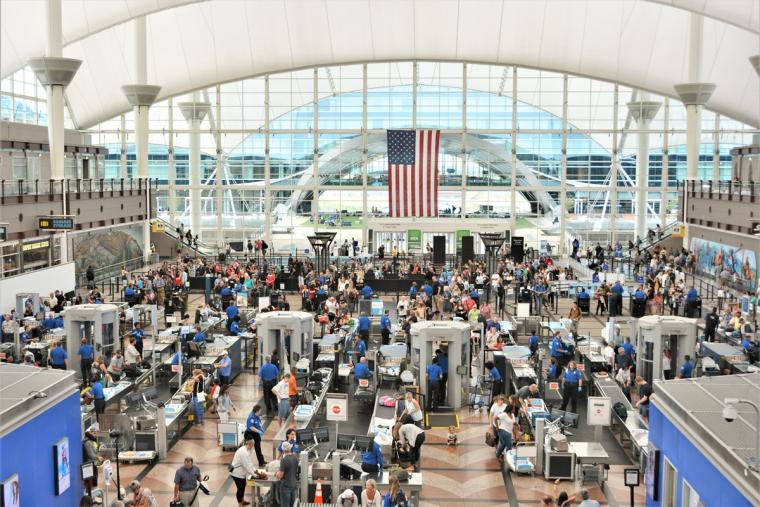
With more images of hours-long lines at airports and reports of missed flights going viral on social media, and with the traveling public in a panic (and complaining loudly), White House border czar Tom Homan announced that that Immigrations and Customs Enforcement (ICE) agents will be deployed to airports across the country to assist TSA officers.
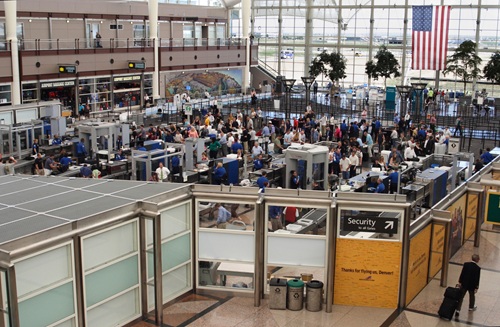
It’s a well-intentioned move, to be sure. According to NPR, wait times at major hubs in Houston and Atlanta reached two hours on Friday, while New Orleans' Louis Armstrong International Airport advised passengers to arrive at least three hours before their scheduled departures. In Philadelphia, airport officials closed three security checkpoints entirely last week because of short staffing.
But exactly whether ICE can ease the problem seems to be unclear — at least for now.
The problem: Typically, law enforcement officers (including ICE) have not undergone the extensive training that TSA officials have experienced (detailed in this PDF from TSA), which enables them to provide security by screening passengers, baggage and cargo for haz-mats, weapons, explosives and other threats.
Additionally, TSA agents are trained in the operation of imaging/X-ray technology, conducting physical pat-downs, identifying suspicious behavior and enforcing travel regulations to prevent prohibited items from entering commercial aircraft.
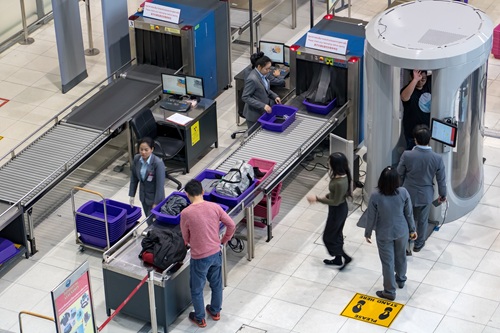
Anyone who flies regularly is familiar with TSA officers; they are the ones at the heads of those long lines, greeting passengers, examining travel documents and then shepherding them through to the next station.
And when something trips up the metal detectors, they’re the ones in charge of finding out what it is, all while keeping the line moving (or recently, trying to keep the line moving).
So how will ICE help, if they are not doing the work of a specifically trained security force? Homan describes them as providing a physical presence.
According to NBC, ICE presence would first be seen at large airports that have seen longest wait times.
“You know, certainly a highly trained ICE law enforcement officer can cover an exit. Make sure people don’t go through those exits, enter an airport through the exits and stuff like that, relieves that TSA officer to go to screening and to reduce those lines,” Homan stated.
However, he was additionally quoted as saying, “I don’t see an ICE agent looking at an X-ray machine because they’re not trained in that.”
PBS broke down the issue, noting some politicians’ concerns that an ICE presence would only add to tensions in airports, and that a better measure would be to get DHS issues resolved, allowing for pay of TSA agents (which is really the issue at the heart of the matter).
Hundreds of thousands of homeland security workers, including from the TSA, U.S. Secret Service and Coast Guard, have worked without pay since Congress failed to renew DHS funding last month, leading to callouts (which lead to delays).
As the spring tournament travel season ramps up, travelers are on edge, worrying about missing their flights, ICE’s presence at airports notwithstanding. Of particular concern to the travel industry is the burden being added to airport workloads with the uptick in flights to cruise ports, as well as the FIFA World Cup only months after that, leading to some suggested strategies from across the web.
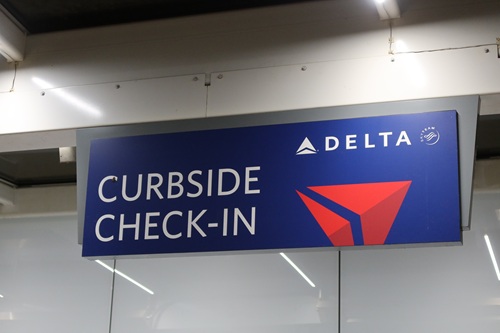
Photo © Kumiko Hirama | Dreamstime.com Here are some ideas on how to make your flight, regardless of the lines.
- Here is what to do if you miss your flight and need to rebook.
- Use Curbside Check-In: By getting your bags checked outside, you can bypass long terminal lines and reduce crowding. You’ll still have to go through the security line to show your documents, though, so allow extra time for that.
- Take Early Morning or Red-Eye Flights: According to this website, TSA staffing tends to be most stable at the start of the shift (4 a.m. to 6 a.m.), and callout rates spike later in the day. A 6 a.m. departure means you're clearing security around 4 a.m. — when lines are shortest and staff are freshest.
- Know the Size of Your Airport: Larger airports and major hubs have the longest wait times (four to five hours, says this article), while travelers through smaller and regional airports fared better. That’s no guarantee, though.
While it is impossible to eliminate lines, there are proactive measures that can be taken by event owners and travelers, including the following; they are covered in more detail in this article:
Build in Extra Time: Most airports display security line wait times on their websites, but do not wait until the day of a flight to check them. Remember that an early arrival might mean (best case scenario) a longer wait in the terminal area but it can also get you in ahead of everyone else who is jockeying for position in line.
Make Sure All Documentation is in Order: Advise everyone to take some time now, even if travel is weeks away, to review all travel materials. That includes being sure all drivers’ licenses and other ID is REALID-compliant and carrying copies of all cards for Global Entry or other programs, in addition to tickets and boarding passes.
Review and Follow All Packing Regulations: Screening officials are working with reduced staff. Making sure everyone follows regulations, like keeping to the 3-1-1 rule when it comes to packing toiletries and liquids is helpful, as is reviewing all luggage-related requirements, just to be on the safe side.) If sports equipment needs to be packed, remind participants to review TSA’s information.
What About Travel Insurance? According to Travel Agent Central, “Most standard travel insurance policies do not cover government shutdown-related disruptions. Even travelers who already have coverage likely are not protected, unless they purchased certain additional benefits.
The only applicable benefits that can protect you from delays and cancellations during a government shutdown are Cancel For Any Reason (CFAR) or Interruption For Any Reason (IFAR). These benefits can provide partial reimbursement for your trip costs if you have to cancel or cut your trip short for any reason.
CFAR and IFAR must be purchased within 14–21 days of your initial trip deposit. If you are within that window and have concerns about a shutdown impacting your plans, buying these benefits now will give you the most coverage possible.”
Discuss all options with a reputable travel agent or insurance broker.
Be Nice: You can’t control all your participants but you can control how you react to adversity in travel. Screening officials and other airport personnel are dealing with an enormous number of frustrated and angry travelers; wait times and delays are out of their control. Practicing patience.
About the Author