

Photo © jwpnw | Dreamstime.com
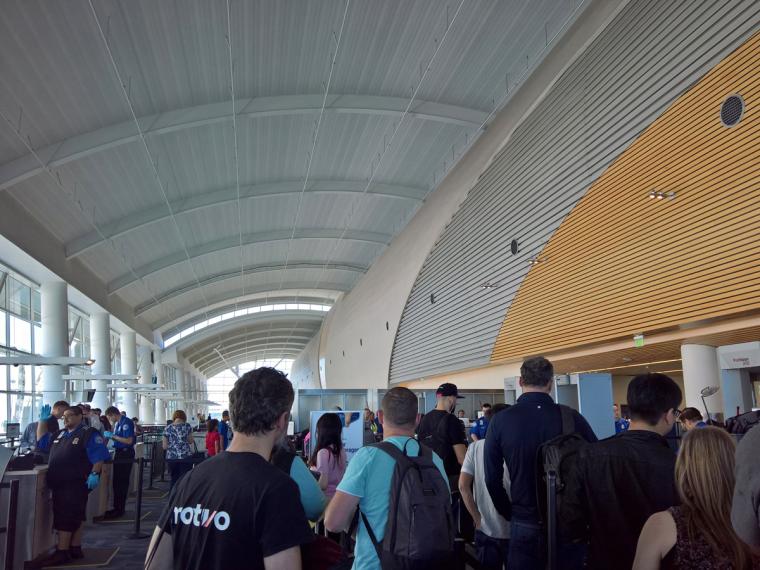
When funding for Homeland Security expired, it triggered a partial government shutdown that has been sending ripples throughout the air travel sector, including longer security lines and extended waits at checkpoints, leading to missed or delayed flights.
Nearly two weeks after this occurred on February 13, problems continue and three travel industry groups (the US Travel Association, Airlines for America and the American Hotel & Lodging Association) have issued a statement pleading with lawmakers to work together for a solution to the problem.
Of particular concern to the travel industry is the imminent uptick in spring break travel, as well as the FIFA World Cup only months after that.
It’s also peak tournament season for youth travel, which means more families taking to the air to reach sports destinations.
Here is what you need to know and what you can recommend to those participating in your tournaments in order to be prepared for problems and, if possible, to head them off at the pass.
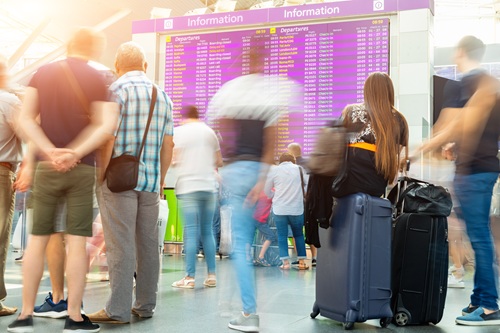
Build in Extra Time: According to NPR, who interviewed John Rose, chief risk officer for global travel management company Altour, the first step is the simplest: Remember that there is already a problem that will impact your travel and act accordingly.
Most airports display security line wait times on their websites, but travelers should not wait until the day of a flight to check them, Rose advised. Keep an eye on trends and get there extra-early.
"You may look online [on the day of your flight] and it says two-and-a-half hours," he said. "Now it's two-and-a-half hours before your flight and you haven't even left for the airport yet."
Make Sure All Documentation is in Order: Advise everyone to take some time now, even if travel is weeks away, to review all travel materials. That includes being sure all drivers’ licenses and other ID is REALID-compliant and carrying copies of tickets and boarding passes.
Know that Global Entry and TSA PreCheck have been undergoing policy changes: On Saturday, it was announced that both programs had been suspended; by Sunday, TSA PreCheck was expected to remain operational. Count on further updates to come, and on extended waits at checkpoints as a result.
In light of this information, travelers may be considering CLEAR; however, before making any changes, it is best to discuss options with a knowledgeable travel agent. While there are multiple sources on the web that list advantages and disadvantages of CLEAR, a professional in the industry can provide the best advice.
Review and Follow All Packing Regulations: Screening officials are working with reduced staff. Making sure everyone follows regulations, like keeping to the 3-1-1 rule when it comes to packing toiletries and liquids is helpful, as is reviewing all luggage-related requirements, just to be on the safe side. If sports equipment needs to be packed, remind participants to review TSA’s information.
What About Travel Insurance? According to Travel Agent Central, “Most standard travel insurance policies do not cover government shutdown-related disruptions. Even travelers who already have coverage likely are not protected, unless they purchased certain additional benefits.
The only applicable benefits that can protect you from delays and cancellations during a government shutdown are Cancel For Any Reason (CFAR) or Interruption For Any Reason (IFAR). These benefits can provide partial reimbursement for your trip costs if you have to cancel or cut your trip short for any reason.
CFAR and IFAR must be purchased within 14–21 days of your initial trip deposit. If you are within that window and have concerns about a shutdown impacting your plans, buying these benefits now will give you the most coverage possible.”
Discuss all options with a reputable travel agent or insurance broker.
Be Nice: You can’t control all your participants but you can control how you react to adversity in travel.
Rose told PBS that screening officials and other airport personnel are dealing with an enormous number of frustrated and angry travelers and that wait times and delays are out of their control. Patience and empathy, he added, will go a long way.
About the Author