
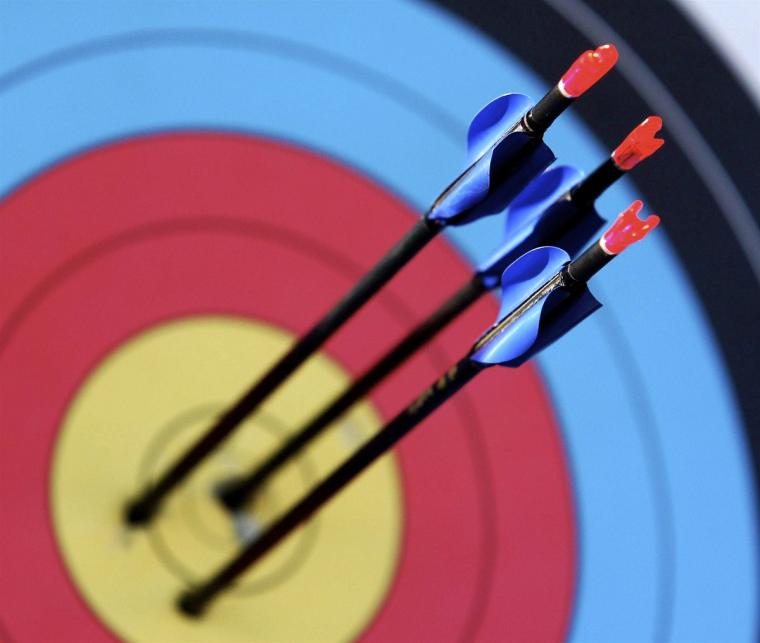
Think for a minute about the sport of archery. You probably know at least one of these three things:
- Archery is an Olympic and Paralympic sport
- Archery’s popularity surged after The Hunger Games
- There is an incredible archer who shoots with his feet
Why do you know these things? Because a small sport with a limited marketing budget invested strategically in social media. More than a decade ago, USA Archery and World Archery made a calculated decision to invest time in social storytelling.
The two organizations focused on consistent content, compelling visuals and event coverage long before they had advertising budgets. The effort worked, and it grew the sport in ways that traditional marketing alone could not.
For cities, CVBs, sports commissions and community organizations, the lesson is simple: social media remains one of the most cost-effective ways to promote local events, highlight community assets and connect with residents and visitors.
You do not need a large staff or major ad campaigns to achieve success. You need clarity, consistency and a focus on the people at the heart of your event.
Start With Purpose, Not Volume
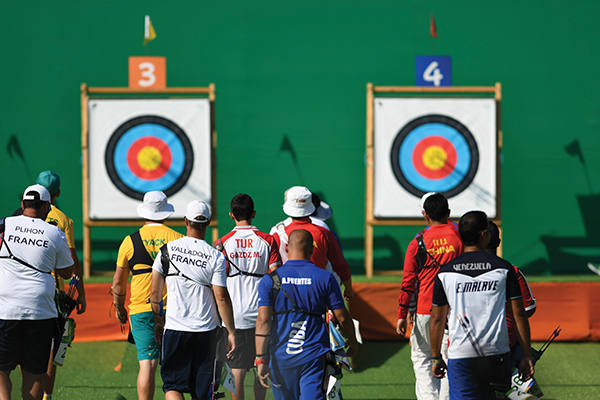
Small teams often feel pressure to publish constantly. In reality, sustainability matters much more than frequency. One to three high-quality posts per week is enough to maintain visibility. Every post should:
- Offer clear value to your audience - entertain, inform, make them FEEL something!
- Reflect your mission and tone - be consistent to who you are and authentic in your voice.
- Start a conversation or provide helpful information - get them thinking. Challenge your audience - engagement will improve because of it.
A simple guideline: if you would not engage with the post yourself, reconsider it.
Prioritize Visual Content That Feels Real
Visual storytelling drives engagement across all major platforms. You do not need expensive production. Smartphone photos, short clips and simple graphics can perform exceptionally well when they feel authentic.
Practical Best Practices for Limited Budgets:
Use a consistent visual style and color palette so your community recognizes your brand:
- Share action and atmosphere: athletes, volunteers, venues, fans and local landmarks
- Post short vertical videos under 30 seconds for Reels, Instagram and YouTube Shorts
- Use simple editing tools like Canva, CapCut or Clipchamp
Whenever possible, recruit a volunteer or student photographer and request same-day highlight images. Timeliness still matters.
Make Facebook Work for Community Events
Facebook remains a primary platform for residents and visitors, despite changes to organic reach. It is still where people look for updates, schedules and local information. Groups can be your best friend, too!
Do:
- Share short, visual stories
- Use Facebook Events to centralize details
- Respond to comments to increase trust and visibility
- Allocate small boosts ($25 to $50) to your most important posts
Do Not:
- Post only announcements or sales language
- Overuse hashtags
- Ask for “likes” or “shares” (which reduces reach)
Focus on connection and clarity. Facebook rewards meaningful engagement far more than frequency.
Use Instagram and Threads to Showcase Atmosphere
Instagram functions as your visual storefront. It helps potential visitors feel what it is like to attend your event or explore your community.
Use These Tools:
- Photo carousels to highlight a range of moments
- Stories and Reels for energetic, behind-the-scenes content
- Limited, relevant hashtags
- Alt text for accessibility and improved search
Threads is becoming a low-pressure place for timely updates, casual notes and quick interactions. Think of it as the role Twitter used to play, without the complexity.
Grow Your Reach Through Partnerships
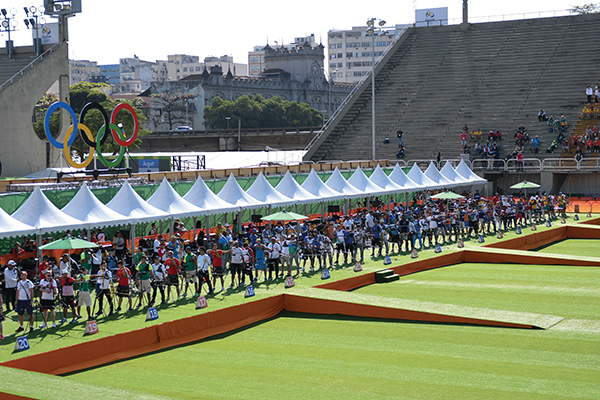
Your strongest marketing asset is your community. Leverage relationships to multiply your reach without multiplying your workload:
- Tag athletes, clubs, volunteers, venues and local organizations
- Reshare attendee content with permission
- Create and consistently use one event hashtag
- Ask sponsors and partners to share your key posts
This network effect turns your city or event into a shared story that others help tell.
Measure What Matters
Small teams do not need complex analytics or sophisticated tracking dashboards. A simple monthly check-in provides all the information you need to stay on track.
Review the Following on a Regular Basis:
- Which posts earned the most engagement
- Which posts drove website clicks or registrations
- What questions or comments arose repeatedly
Adjust your content based on what your audience actually responds to, not on assumptions or on a personal view of what is important.
Be Consistent, Not Constant
A quiet, dependable presence is far more valuable than constant posting followed by long gaps. If you need to scale back, communicate clearly. Audiences appreciate transparency and authenticity.
A well-run Facebook and Instagram presence often outperforms a scattered approach across five platforms.
Final Thoughts
Effective social media does not depend on the size of your budget. Instead, it depends on authenticity, thoughtful visual storytelling and consistent community engagement.
When you highlight the people and pride behind your events, your audience becomes your strongest marketing partner. SDM
About the Author