

Photo © Dark1elf | Dreamstime.com
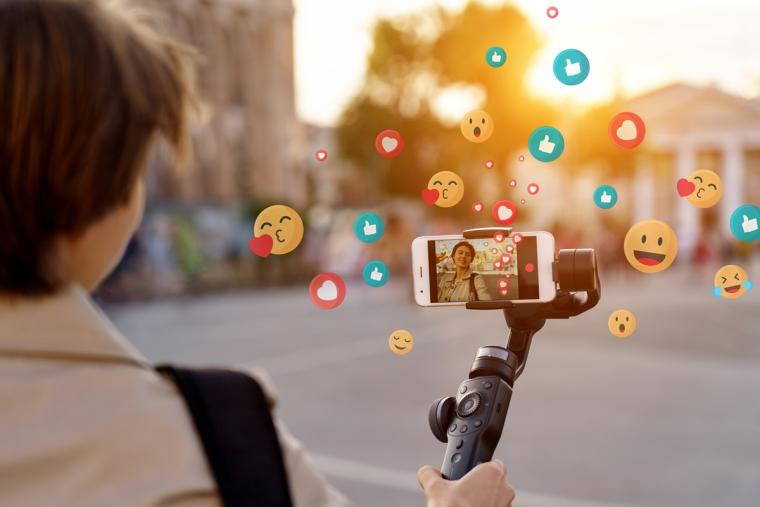
Social media influencers — people who become well known through consistent TikTok, Instagram or YouTube posts that often promote products and services — are seemingly everywhere these days. From deep in the ocean to the top of the Eiffel Tower (trust us on that one), they attempt to persuade and impress their followers in ways that not everybody agrees with.
Take so-called “runfluencers.”

“Sure, they’re promoting races, run clubs and giving running brands a platform to reach new audiences, which has undoubtedly contributed to the surge in runners,” states Canadian Running Magazine. “But how realistic is it? Are ‘runfluencers’ actually qualified to promote running gear, hand out training advice and (in some cases) even coach beginner runners? In truth, not really. Online content is curated for an influencer’s audience — often without showing the full picture. All we see is what they want us to see — a happy, fast, uninjured runner. But to make one 10 to 30-second video, all a creator needs is a short clip of themselves running — and just like that, they make it look like they did a full workout.”
Indeed, many influencers (including runfluencers) earn their income through ads, which can lead to rushed or nonexistent test periods of products and inappropriate recommendations. Race directors have also stated that runfluencers cause problems at races with their self-centered behavior.
Last November, an influencer was disqualified from the New York City Marathon (and banned for life) after running with unauthorized ebike riders filming his every stride. The marathoner, 27-year-old Matt Choi of Austin, Texas, had more than 410,000 Instagram followers and nearly 475,000 followers on TikTok at the time. But he also endangered his fellow racers.
“I was one of the runners that missed my water,” one runner posted online after the marathon. “Luckily, another runner saw me miss it because of the bike swiping by and shared their cup with me.”
Running isn’t the only sport facing troublesome influencers. One golf influencer went viral earlier this year for making the controversial suggestion during an LPGA event to ban AimPoint, a popular green-reading system that uses a golfer’s feet and body to “feel” the slope of a green, translating that feeling into a specific point to aim at for a putt.
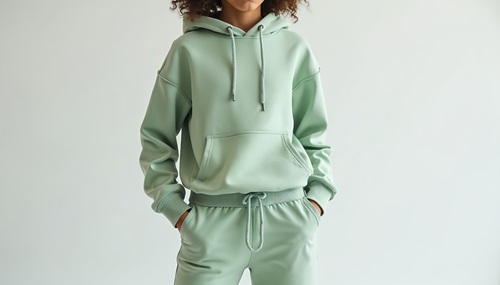
In July, an A.I.-generated influencer named Mia Zelu with nearly 170,000 followers on Instagram posted a glamorous photo of herself at Wimbledon that racked up more than 61,200 likes.
In some ways, the rise of influencers, for better or for worse, seems inevitable, as The Goat Agency, which helps brands leverage the influence of online creators, noted in 2024:
It used to be that sports organizations and brands relied solely on the influence of athletes in sponsorship opportunities. While athletes are still effective in driving brand awareness and enhancing fan loyalty, influencers have started to become more widely used, and are equally, if not more, powerful at engaging audiences in the digital space.
Influencers provide brands with a means of reaching niche communities within the sports landscape. Whether focused on specific sports, fitness routines or lifestyle aspects, influencers know how to cater to diverse interests, which enables brands to tap into these communities.
From shaping trends and driving brands onto the podium through viral moments, influencers have played an integral role in shaping sports content in the modern day.
No wonder more than half of Gen Z’ers say they want to be social media influencers. And as the Digital Marketing Institute reports, “Three percent of consumers would consider buying a product in-store if promoted by a celebrity, compared to 60 percent for an influencer.”
That’s risky, according to Canadian Running Magazine, which encourages runners to “do your own research [and] check race results … to see if what an influencer posts actually lines up with their performances. Be wary of the products they promote (check reviews!) and take their coaching advice with a grain of salt.
Just because someone runs with a GoPro and looks good doing it doesn’t mean they’re qualified to tell you how to train.”
Researchers at the University of Portsmouth in the UK also warn that some social media influencers actively practice “deception and damage” and “deserve a critical mindset.”
Their recent study, “The Dark Side of Social Media Influencers: A Research Agenda for Analy[z]ing Deceptive Practices and Regulatory Challenges,” calls for more stringent oversight of influencers, as well as increased transparency.
“Social media influencers hold immense power over consumer decisions and cultural norms,” Georgia Buckle, one of the authors of the study, told Phys.org. “While they provide entertainment, inspiration and brand engagement, the unchecked influence of some … can lead to serious ethical and psychological consequences. Our study highlights the urgency for both academic and industry stakeholders to address these challenges proactively.”
About the Author