
Here’s something worth sitting with for a hot second: every time your facility hosts a tournament or your destination welcomes a sporting event, local businesses are watching.
They see the parking lots filling up, the restaurants packed on a Tuesday night and families exploring your community for the first time. Some of them are already wondering how to get involved.
That’s the opportunity. And in a lot of markets, it’s sitting largely unclaimed.
Sponsorship and partnership development is one of the most powerful tools available to sports destinations, facilities and event owners, and one of the most underused. For many organizations, the hesitation comes down to a pretty simple question: Where do we even start? What do we sell? What’s it worth?
Those are fair questions. And they have practical answers.
Start With the Research, Then Go For It
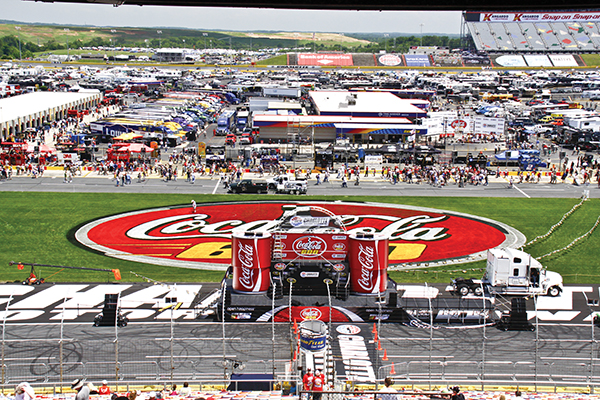
Pricing sponsorships can feel like a mystery, especially the first time. But there’s more information available than most people realize. When you take a look at what comparable programs are doing in your region for events, facilities or series packages, you start to get a sense of market rates.
Check out like markets and events as well – and believe in the value of the opportunity for brands to get up close and personal with their target buyers.
What are local media outlets, radio stations, digital platforms and billboards charging for advertising? Those rates matter because that’s what your prospective partner is comparing you against when looking through a marketing lens.
New sellers get stuck in paralysis by analysis; try not to let perfection get in the way of progress. Healthy programs tend to range from $5,000 entry-level partnerships all the way to $250,000+ naming rights deals, with a lot of territory in between. You’ll find the sweet spot for your market by being in the conversation.
The facilitative sales approach – asking questions about the brand’s goals, vision and target market — help you be a matchmaker to the right opportunity. And here’s the thing that experienced sponsorship sellers will tell you: everything is negotiable. A “no” on price is usually just the beginning of a real discussion.
It Takes a Team
The best sponsorship programs in sports destinations aren’t driven by one person or one organization. They’re a team effort between the CVB, the facility and the event owner, with each bringing something different to the table.
The event owner knows the audience and the activation opportunity. The facility controls the physical asset and the on-site experience. And the CVB has something uniquely valuable: the ability to be a friend to everyone in the room. They hold the destination relationships, the economic impact data and the credibility to walk into a meeting with a local business and make a compelling case on behalf of the whole community, not just one event or one weekend.
When those three work together, the conversation with a prospective partner gets a lot richer. You’re not pitching a sign on a fence. You’re offering access to a destination ecosystem with hotel stays, restaurant visits, retail spending and measurable community impact behind it. That’s a compelling value proposition for the right partner.
And who is the right partner? In most markets, it’s not Nike or Gatorade (too big) nor is it the local restaurant (too small). It’s the regional healthcare system, the community bank, the grocery brand that’s been a fixture in town for 40 years. Local and regional businesses are invested in the same community you’re serving. They’re also far more likely to say yes, show up on game day and renew next year.
Build It Year-Round, Not Event by Event
The organizations with the strongest sponsorship programs share one thing in common: they work at it all year. Think about it like a sales pipeline. The conversations you have in January are what produce partners by July. Give yourself that runway. A few things that work well:
Look ahead at your event calendar and ask which local companies might be a natural fit for each audience. A youth soccer weekend draws families. A regional health system wants to be in front of families. Connect those dots early.
Start relationships before you need them. Reach out when you have something valuable to share, not when you need a check. That shift in posture changes everything about how the conversation goes.
Invite prospects to experience a live event. You can describe the energy of 3,000 athletes competing on a Saturday morning in a PowerPoint. You can’t replicate it in one. Get people in the building.
Close the loop after the event. Share the impact, economic data, attendance numbers and social reach. Partners who see their investment validated are partners who renew. The CVB is especially well-positioned here with destination-wide metrics that tell a bigger story than any single event can.
What Partnership Looks Like at Its Best
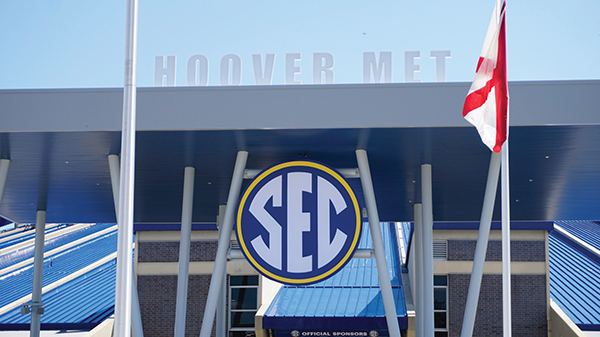
Some of the most compelling examples of this model are playing out right now in communities across the country. Take AdventHealth Sports Park at Bluhawk in Overland Park, Kansas. AdventHealth’s mission is built around whole-person health, and their naming rights partnership with a premier youth sports complex isn’t just a branding play.
Health and wellness services are co-located within the development, so the connection between sport, care and community is woven right into the design of the place. That’s not a logo on a banner. That’s a shared vision made real.
Wintrust Crossroads in New Lenox, Illinois offers a strong fit for a brand that wants to develop customer loyalty and great financial literacy from a young age. Wintrust is a regional financial institution serving the Chicagoland market, and their naming rights partnership with a premier sports complex puts them in front of exactly the community they exist to serve. For a regional bank, year-round visibility with local families is a more meaningful investment than almost any advertising alternative.
Then there’s Publix Sports Park in Osceola County. Publix is employee-owned, community-first and genuinely beloved in the Southeast. A naming rights partnership with a major sports destination is a natural expression of who they already are. That kind of authenticity is what makes a sponsorship feel right to everyone involved, especially the guests.
It’s also worth remembering that naming rights don’t have to be attached to a building. A signature annual event title sponsorship can be just as meaningful to the right local brand, and a great entry point for destinations that are still growing their facility portfolio.
The Opportunity Is Already There
Picture your destination a few years from now with a sponsorship program that’s thriving. The CVB is connecting the right businesses to the right events. The facility is delivering on the brand experience. The event owner shows up with partners already in place. And the local businesses that said yes early are renewing every year because the value is real and the relationship is genuine.
The guests have a better experience. The community has more invested partners. And the revenue doesn’t feel like a scramble anymore.
That destination exists. The businesses that want to be part of something like that exist too. They’re probably already in your market, already watching your events and already wondering if there’s a way in.
Go have the conversation. See what’s possible. SDM
Related Organizations
About the Author