


Photo 379174083 © MisterTigga | Dreamstime.com
Within the recent administrative fluctuations regarding health-related programs, the Trump administration recently re-established the Presidential Fitness Test, citing“the threat to the vitality and longevity of our country that is posed by America’s declining health and physical fitness.”
The test, supportersbelieve, could help build kids’ competitive natures and make them more interested in sports.
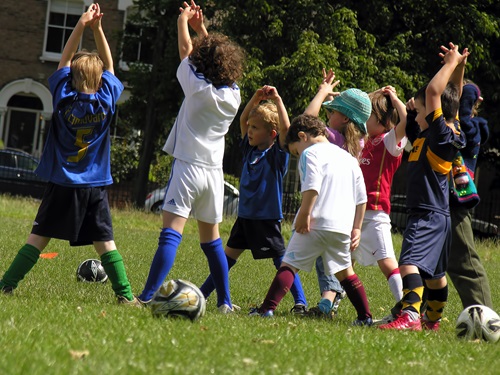
The Presidential Fitness Test, which gauged young people’s athleticism and health with a one-mile run along with a series of pull-ups or push-ups, sit-ups, a 30-foot shuttle run and stretching exercises, was a tradition in public middle and high schools from 1966 to 2013. Students who placed in the top 15 percent nationwide in all exercises were eligible to receive the Presidential Fitness Award, which has also been reinstated.
The original Presidential Fitness Test was replaced by the Presidential Youth Fitness Program, which launched in 2012 and was promoted as a comprehensive school-based program combining science and technology to promote health and physical fitness among all kids while also emphasizing individual progress.
“This is a wonderful tradition, and we’re bringing it back,” Trump said of the fitness test, according to the Associated Press. “I was always a person that loved playing sports. I was good at sports. When you are really focused on sports, you’ve thought about nothing else. To an extent, this is one of the reasons I like golf. You get away for a couple of hours.”
Trump played baseball in high school and now golfs regularly.
In a July 31 executive order, Trump declared that obesity, chronic disease, inactivity and poor nutrition are “at crisis levels, particularly among our children.” He added that “these trends weaken our economy, military readiness, academic performance and national morale” and said the re-establishment of the Presidential Fitness Test is in keeping with the mission of his Make America Healthy Again Commission. The test will be administered by U.S. Department of Health and Human Services Secretary Robert F. Kennedy Jr., with support from U.S. Department of Education Secretary Linda McMahon.
The executive order also revitalizes the President’s Council on Sports, Fitness, and Nutrition, which Trump said will have up to 30 members who will develop new criteria for the Presidential Fitness Award and address such other issues as the transfer portal in college athletics.
But the program has not been without its critics over the years, and the reinstatement of the test has resulted in some pushback from educators as well as those who work in child psychology.
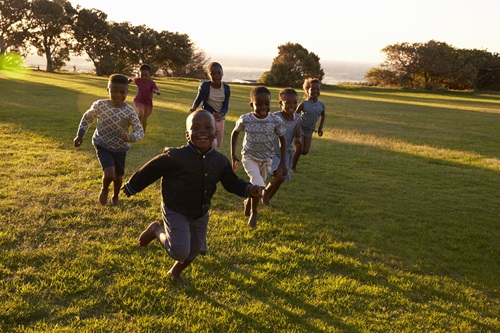
According to Yahoo.com, although the Presidential Fitness Test had “become a routine part of the school calendar for millions of students across the country, questions about both its effectiveness and potential negative outcomes ultimately compelled the Obama administration to retire it. For years, health experts had argued that testing kids on a limited set of specific skills is not a productive way to gauge the overall fitness of a child, nor the general fitness of America’s youth as a whole. There were also concerns that forcing children to do these challenges in front of their peers could be a major source of shame, ridicule and bullying.”
In fact, the original Presidential Fitness Test “celebrated the best athletes and alienated others, turning off many from a future of movement,” wrote Natalia Mehlman Petrzela, a history professor at The New School in New York City and author of 2023’s Fit Nation: The Gains and Pains of America’s Exercise Obsession, in a piece for MSNBC.com where the test was referred to as “an outdated and problematic practice.”
But kids do, in fact, need more activity, and having an in-school instrument to encourage that could be a step toward long-term health. According to a recent report from the Sports & Fitness Industry Association, in 2024, 22.6 percent of Americans were entirely inactive.
The indicators for the first half of 2025 show that inactivity levels have increased to 22.9 percent. This equates to roughly one million more Americans not actively participating in sports or fitness activities of any kind. This increase is likely driven by ongoing market and economic uncertainty surrounding tariffs and a natural post-Olympic participation slowdown.
Whatever the cause, however, it is essential to rebuild a tradition of daily activity, starting with youth. That could result in more participation in sports, provided programs are administered correctly and in a manner that is healthful and realistic for children.
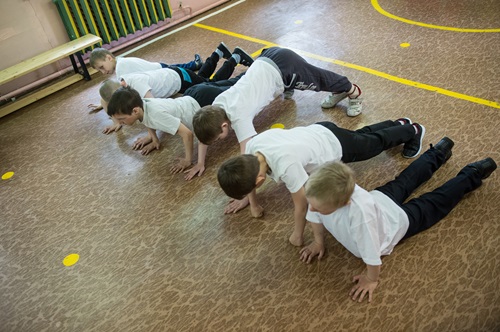
Laura Richardson, a kinesiologist and associate professor at the University of Michigan, told The New York Times that teachers need more resources to encourage movement and more time for physical education during the school day, and noted that she hopes a revived version of the test will replace sit-ups with planks, which are widely considered a better test of core fitness.
“We are building a nation of strong, proud and unstoppable young Americans,” Trump said in a statement issued by The White House. “The Presidential Fitness Test is not just about physical strength — it’s about character, competition and confidence. Together, we are making fitness fun, competitive and cool again.”
If you’re curious about how you measure up, here is a link to the qualifying standards based on an older version of the test; no word yet on how (or if) the standards will be changed in the new version.
About the Author