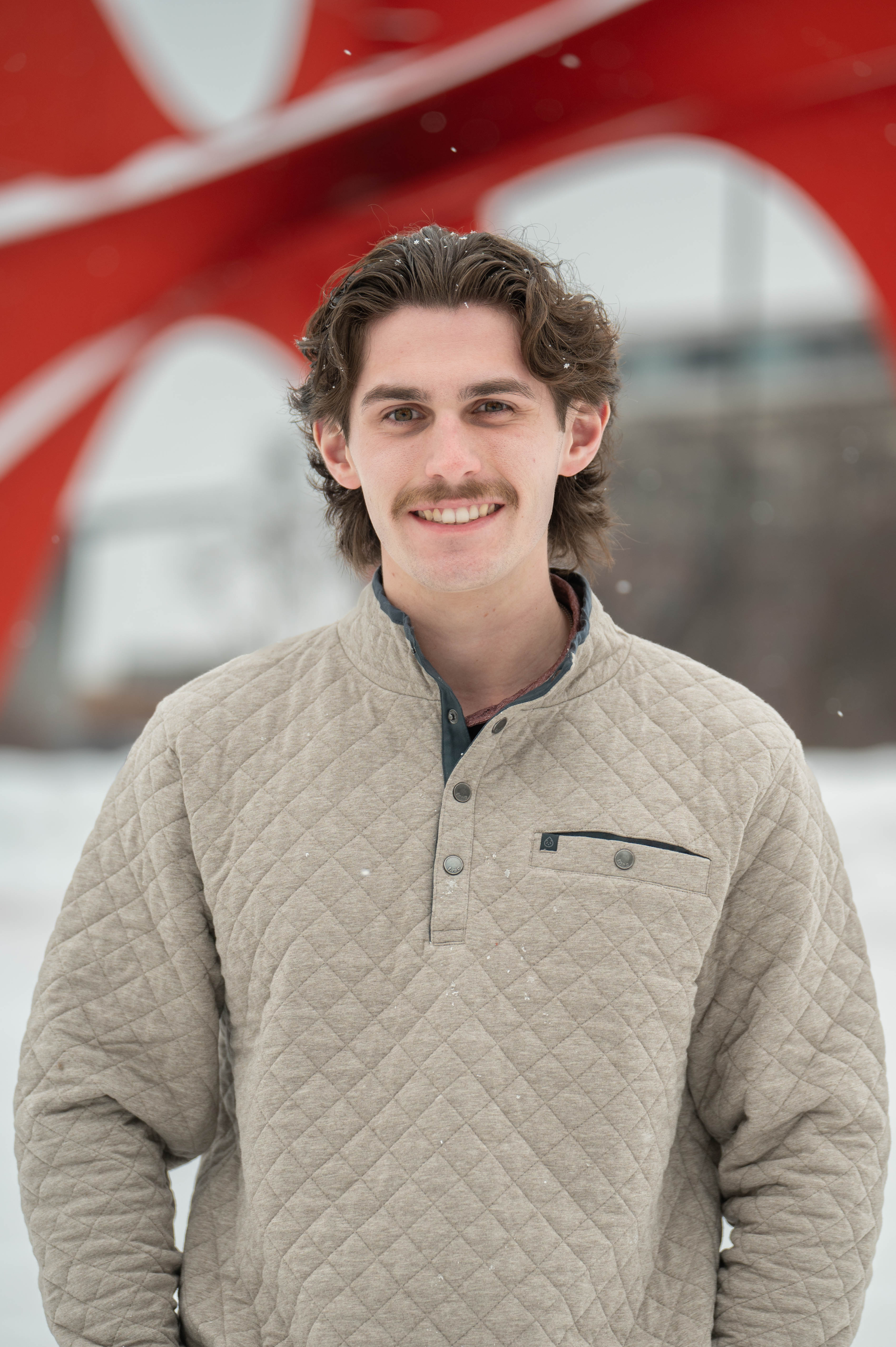

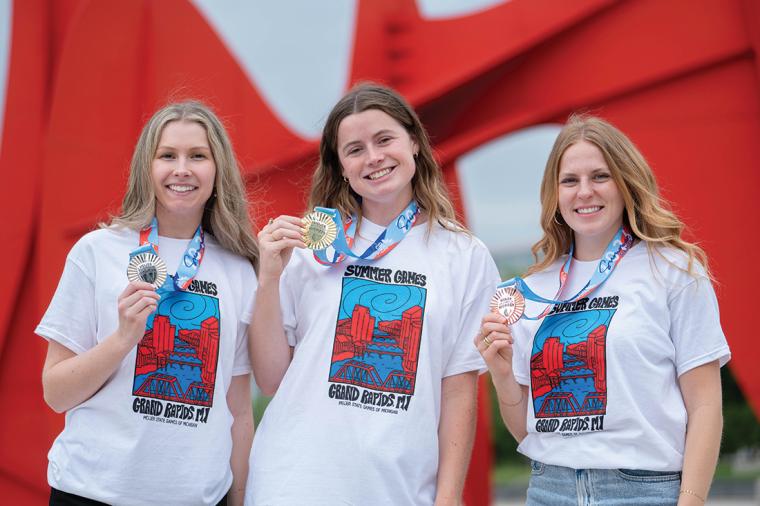
Donovan Sclabassi just finished his master’s degree in management at Aquinas College in Grand Rapids, Michigan. But he’s not done learning, as evidenced by his 2026 internship with the West Michigan Sports Commission (WMSC) in Grand Rapids, where he returned from serving his 2025 internship to support us in our second year of hosting The Hartford Nationals conducted by Move United.
The Hartford Nationals is the largest and longest-running national sport championship for athletes with a physical disability, visual impairment and/or intellectual disability, welcoming more than 400 athletes with disabilities and 150-plus coaches from 36 states and the District of Columbia. And with a full-time staff of under 15, extra help is needed to pull off this important event.
Donovan came to the WMSC last year as a summer intern to support The Hartford Nationals from May through August. He assisted a more senior intern with tasks, with most of his work centered around the event itself.
This year, Donovan wanted a bigger challenge, joining WMSC in January so he could be part of the inner workings of planning the event the six months leading up to The Hartford Nationals and staying through the event. Working on this massive, one-week event is a steep learning curve, so having an intern walk in who already understood the event and its needs was really helpful.
Here are some tips from Donovan based on his real-world experience of working with WMSC, as well as some ways to structure an internship program.
Mike Guswiler: How long do you prefer an internship last?
Donovan Sclabassi: Give interns at least three to four months to get their feet wet in different events, programs, etc. If the intern is working on a single event, offer a longer internship term (five to six months) so that they are involved in the planning process. That’s where you get the most experience and more time to shadow staff, and it gives the organization more help as well.
Guswiler: As a college student, what do you most want from an internship program?
Sclabassi: Make sure there is meaningful work for your interns. That was really important for me. I didn’t want to do just simple, mindless work. I wanted to work toward something and see an event and how it all comes together and be put into positions to develop job skills.
I’ve been so impressed with the amount of responsibility everyone gives me at the WMSC – the work feels meaningful. I’m not just doing random busywork. I feel like I am contributing. And I definitely feel like part of the staff when I’m there.
In addition to being given meaningful work, invite your interns to industry programs and networking events along with your staff. I’ve had past internships where all the staff left for a special event, and the interns weren’t invited and were the only ones left in the office. I appreciate that the WMSC invites us to join them at industry events and programs. It helps us practice networking too and builds our confidence.
Guswiler: What other perspective can you offer based on your internship experience?
Sclabassi: Provide a clear set of expectations and structure. It’s important for your interns to know what is expected of them from the onset – are they supporting one event or multiple? Who is their direct supervisor? It’s also helpful to have a secondary person to go to in case the immediate supervisor is unavailable.
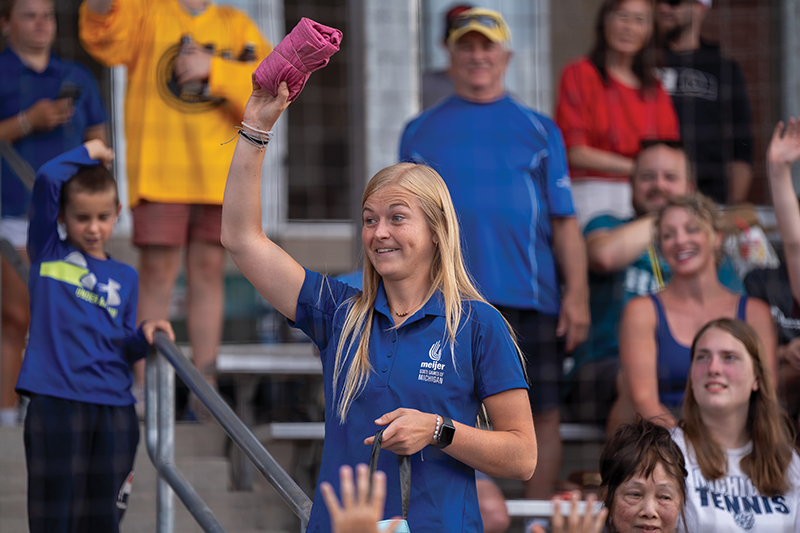
Also, make time at the beginning to orient the intern. My WMSC supervisor, Alyssa Bey, sat me down at the beginning of my internship and introduced me to all the programming aspects of my job. She was patient and gave me an in-depth tutorial of what I needed to do for my internship. After that, she has always been there to answer questions.
Guswiler: What do you see as the benefits to having multiple interns at once?
Sclabassi: When I worked on The Hartford Nationals event last year, I was the summer intern who came in close to the event date to help with onsite details, and I worked with a more experienced intern who started three to four months ahead of me and learned a lot from him.
This year, I’m the more experienced intern who started in January, and we have a new intern working just for the summer. I am helping him get up to speed because I was in his shoes last year, and I am growing in my experience because I have bigger job responsibilities this year plus the chance to informally supervise and assist someone else.
Guswiler: What is a tip for interns to ensure their success?
Sclabassi: They need to have flexibility to work in this business. Interns need to understand that different circumstances will happen, especially working on events. They may need to stay late, work a weekend, jump in on a project at the last minute, etc.
Organizations should also mention in the internship job description and the hiring process the need to be flexible. It’s helpful to set that expectation up front.
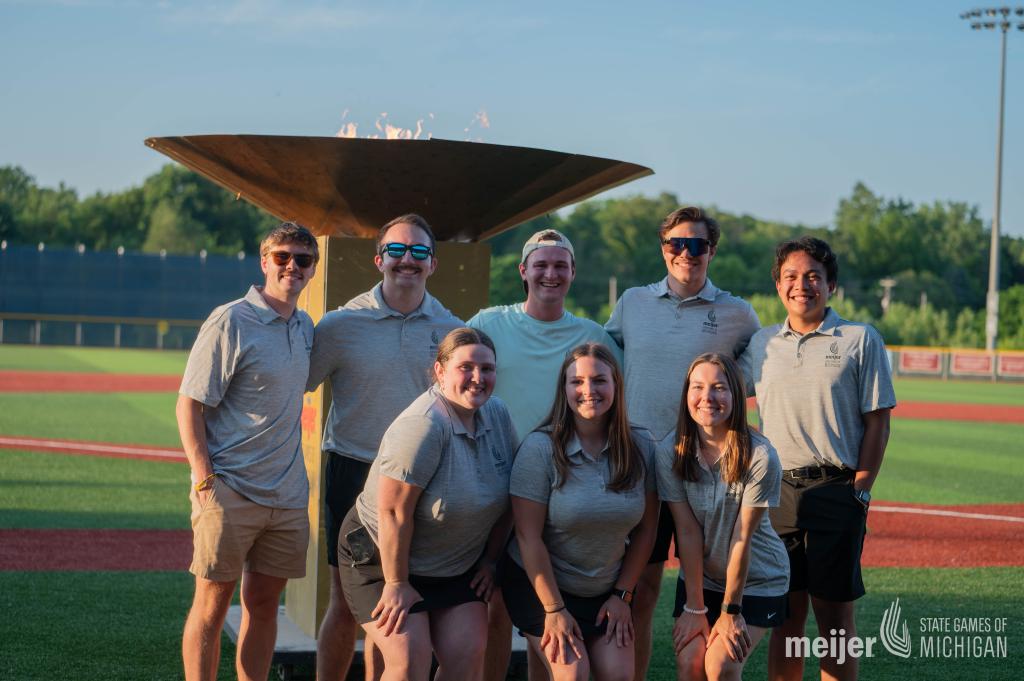
Guswiler: Is it a good idea to invite interns back again like we did with you?
Sclabassi: Absolutely! It’s a great idea to bring back interns for repeat internships, especially if it’s to support a major event like The Hartford Nationals where they have one season under their belt and can add more value the second time.
You allow the intern to contribute at a higher level. I can get things done more quickly this second year and have a deeper understanding of what goes into the event.
Guswiler: What surprised you most during your internships with the WMSC?
Sclabassi: Working with a smaller organization like the WMSC is better! Early in my studies at Grand Valley State University when I was earning my bachelor’s in sports management, I thought I wanted to go to work for a pro sports team like the Detroit Red Wings.
Once I got into my field, I found I gained so much knowledge from internships with smaller organizations like the West Michigan Sports Commission where you do everything. You’re basically doing staff-level work. Smaller organizations can promote that as a selling point for their internship programs.
Guswiler: What is your favorite part of your internship experience?
Sclabassi: My favorite aspect of my internships with the WMSC is being part of watching an event go from a bunch of meetings and calls, gathering of quotes and planning logistics to the actual event when it all comes together.
It’s so cool. It’s awesome to see how all of the details come together because you and a group of people worked hard together over the past six months to make it happen. Then the event itself is such a high-energy, active experience, and it builds camaraderie when you go through all of that together.
Guswiler: As Donovan demonstrated at the West Michigan Sports Commission, interns can be a valuable part of your organization’s staffing solution while also fostering the next generation to work in the sports tourism industry. Take it from one of our own interns what they need in a great program. And who knows? You just might hire them back as full-time employees. SDM
Related Organizations
About the Author