

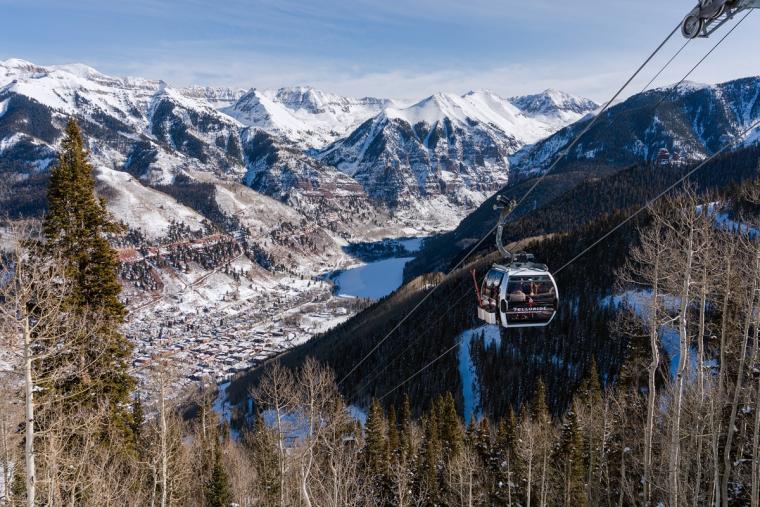
Photo © John Sirlin | Dreamstime.com
In perhaps the worst possible incident of unfortunate timing, Colorado’s Telluride Ski Resort has shut down in the face of a strike by the Telluride Professional Ski Patrol Association.
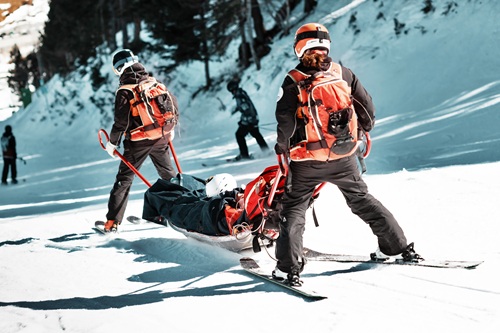
And since a winter resort can’t operate without its safety force, the strike, which began on Saturday, December 27, hit at the same time many travelers were arriving to spend the New Year on the slopes.
The strike is the culmination of months of negotiations between the ski patrol and the owners of the resort. According to GearJunkie, the union’s workers voted to reject the resort owners’ most recent contract offer on December 8.
On December 23, the union announced that with 99 percent of its members voting yes, it would begin a strike on December 27. A day later, the resort announced that, due to the strike, it would close indefinitely beginning on the 27th, which it did.
A flurry of finger-pointing followed, with the owner blaming the patrol and the patrol stating that its pay was far below the national average.
SGB Online reported that the Telluride Professional Ski Patrol Association was allegedly seeking approximately a 30 percent to 35 percent hourly wage increase. The resort’s most recent counteroffer was a 23 percent hourly wage increase.
Telluride’s ski patrol, which organized in 2015 under the United Mountain Workers (UMW), announced the strike earlier on Wednesday, December 24, citing a “$65,000 gap between three-year proposals” that “reflects unwillingness from the company to fix a broken wage structure.”
The local ABC affiliate did an excellent breakdown of the stratified wages, which can be found here.
But no matter whose side you're on, the end result is the same: A lot of unhappy travelers who had counted on spending the holiday and the following weekend on the slopes.
“They came out to ski,” Mayor Teddy Errico of Telluride told reporters at the New York Times.
The strike is just the latest blow for Telluride, adds the New York Times, noting it has been a “bleak start to the winter for much of the Mountain West. Snow levels in Colorado are tied for the worst on record, and mountainsides around Telluride that would normally be gleaming white are brown and barren.”
Compounding these woes are the logistics of the resort itself. Unlike other resorts that are within easy driving or rideshare distances (like those in Summit County which is home to four major ski resorts: Breckenridge, Keystone, Copper Mountain, and Arapahoe Basin, also known as A-Basin), Telluride is located in the San Juan Mountains in the Southwestern portion of the state and is not close to other winter resorts.
The towns (both Telluride and its nearest neighbor, Mountain Village) have tried to do their part to give visitors something to do, according to the Times, by lighting fire pits and setting up ice-sculpting events and children’s play areas or urging tourists to try other winter activities in the area, including hiking, snowshoeing and snowmobiling.
And to be fair, there are plenty of opportunities that tourists avail themselves of when not on the slopes, including historical sightseeing, winter fishing, ice skating, fat biking and more. (Note to USA Volleyball: This would be the perfect opportunity to set up a snow volleyball demo.)
The Denver Post, however, reports that cancellations have begun. Until the strike is resolved, expect those to impact the business of not only the resoort itself but that of local restaurants, shops, hotels, gear rental businesses and myriad others whose livelihoods depend on an influx of tourists.
About the Author