

Photo © Filippo Romeo | Dreamstime.com
A trend that is picking up speed in the track & field event industry has been the use of footwear with what have become known as “super spikes” (also referred to as ultra spikes), defined as shoes with ultra-lightweight foam midsoles and embedded carbon-fiber plates.
These shoes debuted at the 2020 Games in Tokyo and have been making strides since, with usage filtering down into the youth, high school and college level athletes. And according to some reports, the shoes help athletes perform more efficiently, leading to better finish times, making them popular with coaches, runners and in cases of youth athletes, their parents.
It’s the spike part, however, that has track owners concerned, since the wrong type of shoe can cause premature wear and even outright damage on track surfaces. Unfortunately, many athletes are not aware of this, nor of the fact that resurfacing a rubberized track can cost, at a minimum, upwards of $50,000 – and usually much more.

Heads up: Damage by improper footwear is not covered by the manufacturer’s warranty, which lays out, in very clear language, what types of shoes should and should not be allowed.
Therefore, creating rules around footwear, say industry insiders, is the best way to try to safeguard the surface. First, they note, not all spikes are the same; different shapes are available on shoes and some of those result in more damage to a track.
“Athletes should wear spikes of the pyramid type,” notes Paul Nagle of AstroTurf Corporation in Syracuse, New York. “Pin spikes and Christmas tree spikes will tear the synthetic track surface.”
A diagram showing different types of spikes can be found here.
Even within track & field events, athletes may be using different footwear.
“In some events, such as the javelin throw, athletes use a shoe with a needle spike, which is longer, to promote more stability while throwing,” notes Rick Hardin of Stockmeier Urethanes. “However, they also do more damage to the track surface.”
If the track is open for community use, allowing local runners or walkers to put in a quick workout while there are no competitions or training sessions taking place, experts say that those users should be wearing non-spiked running shoes, such as those suitable for road or treadmill runs.
However, they note, there is always the potential, if the track is unattended during these workouts, for users to wear all manner of inappropriate footwear, up to and including cleated and spiked shoes for other sports (football, soccer, baseball, etc.) that can damage the track surface.
“The style and length of a spike along with the amount of use a particular synthetic track gets will determine the actual time frame a track surface will last before repairs or resurfacing are needed,” adds Hardin.
Another note about unattended tracks where community use is allowed: Runners and walkers tend to gravitate to the inner lanes, leading to wear in those areas first. Signage can be posted to suggest that recreational users to use differing lanes (1, 2, 3, etc.) each week for their workouts.
But back to the super spikes. It’s not actually the spikes that are innovative, says Sam Fisher of Fisher Tracks in Boone, Iowa.
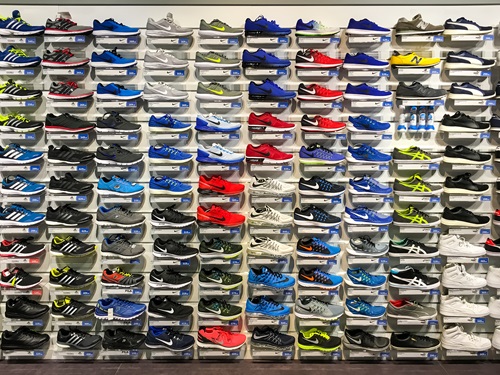
“The super spike has nothing to do with the spike itself and everything to do with the plate behind those spikes and in the way the shoe was built. There is a return of energy to the force from the spike penetration that helps release that spike. This new plate that is installed in the shoe, along with all of the foam, etc. is always being tweaked and redesigned to optimize the performance. The bottom line is this: It is not a spike issue but more of the mounting of the spike and spike pattern under the ball of the foot.”
However, he notes, it’s likely the discussion of spike use on tracks will continue.
“Spikes with respect to their use, length and shapes, like needle versus pyramid, have been an ongoing discussion that rises and falls over the last 30 to 40 years that I’ve been aware of.”
In other words, count on the discussion to continue, and on the need for attention on the part of venue owners and event owners and rights holders.
About the Author