

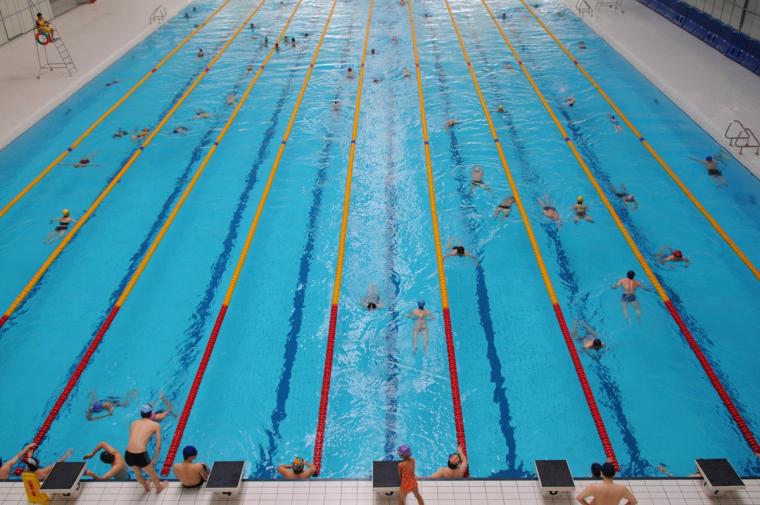
Photo 6812766 © Donkeyru | Dreamstime.com
First came the “picklemalls,” where defunct big-box stores were turned into pickleball clubs, promoted by a variety of franchises. Those are proliferating nationwide, with companies like Pickleball Kingdom, PickleRage, Pickleball America, All-Stars Pickleball Club and other gobbling up unused and capitalizing on the popularity of the sport.
Now, get ready for the next wave: Swim-malls, in which those abandoned stores start housing pools that can be used for community centers, for fitness and ultimately even for competition.
And already, there are success stories on the books. According to the architectural firm, Baskervill, it was all the way back in 2016 that a Macy’s department store, the 100,000 square-foot anchor of Richmond’s Regency Square Mall closed its doors.

A few years later, NOVA of Virginia Aquatics, the competitive swim club and training ground for Olympic hopefuls, began looking for a new space.
It found that space (and more) in the old department store. The location already had many of the amenities that sports facilities dream of, such as acres of free parking, accessibility, restrooms and plenty of roads leading in and out.
The actual work of putting in the pool, however, was a complex undertaking, including not just structural work to the building (the store had 18 interior columns that had to be removed in order to create a swimming space) but the construction of the swimming pool itself. Additional challenges came in the form of the sophisticated systems required for water filtration and air handling.
Plus, Baskervill, noted, “A building’s function comes from so much more than its main feature. Support spaces, like lobbies, lockers, and lavatories, need just as much design power to create a comfortable experience for occupants.”
The article itself provides an interesting read into exactly how that work was performed but the final note is a vibrant, successful pool that stands ready for lessons, competitions and everything in between.
As e-commerce continues to gain speed, in-person store visits are suffering, leading many formerly prosperous chains to consolidate locations and in some cases, to go out of business altogether.
The resulting adaptive reuse of a variety of properties has brought out the creativity and ingenuity of design firms, as well as the entrepreneurship of those who want to own their own business. It avoids new construction and capitalizes on space available as communities become increasingly landlocked. Additionally, when well designed, such facilities can create a powerful presence in the competitive sports community, with access to nearby attractions, such as restaurants and movie theaters.
Some projects are not only swim-specific but include full fitness facilities and gyms, in addition to pools, according to Athletic Business.
"Malls are struggling all across the country and they are trying to be creative," Melodie Pugh, director of marketing at Northgate Associates, said in the article in AB.
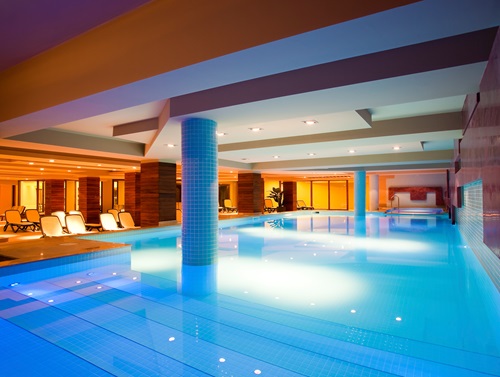
Reporters at The Washington Post noted a number of reuse possibilities, but found that one of the strongest was fitness-related, with multiple franchises choosing to use space to create upscale gym and fitness experiences – including those with pools (some of those were rooftop pools).
Life Time, the article noted, now has country club-like locations at malls around the country, including the Houston Galleria, Tampa’s International Plaza, and Oklahoma City’s Quail Springs Mall. The company plans to open more than 30 more mall gyms in coming years. Life Time has been capitalizing on spaces left behind by large department stores such as Macy’s, Sears and Lord & Taylor.
“Malls have become a phenomenal opportunity for growth,” Parham Javaheri, executive vice president of real estate and development at Life Time, told reporters at the Washington Post. “They have great visibility, great access and many of them have been around for a long time, so they’re located at the center of offices and residences.”
Even the businesses that support the new tenants have been able to find good space, according to an article in the Arizona Republic, which profiled the relocation of Leslie's Swimming Pool Supplies headquarters to a former Sam's Club.
Because of the immense amount of room, the business was able to leverage multiple innovations, including the location of a nurse practitioner onsite and community gathering spaces, such as a large table in a work neighborhood, ficus trees, high ceilings, exposed duct work, huge fans and a wooden trellis more typically seen at backyard pools.
In other words, there was finally space for everything the company had wanted. And it’s just the beginning.
Goldfish Swim Schools, while not a competitive venue, have been popping up in the former locations of defunct businesses, including video chains (remember them?) as well as other strip mall areas.

Charlie Coyne, CBRE's director of retail services in Raleigh, was quoted in Athletic Business as stating that that fitness centers, as well as related businesses, are a popular option for landlords looking to fill a lot of space vacated by a retailer.
For example, the gym chain O2 Fitness announced it would have three to four new locations in the Research Triangle, all in former retail spaces, including in a former Stein Mart building in Cary.
"You are going to see more and more of that," Coyne said.
About the Author