

All photos courtesy of Gamestrat
Many football enthusiasts, including fans, parents and others, will watch a Friday night youth game and focus on the action: the big plays, the touchdowns, the rivalries. What many people don’t realize is that behind every great game, there’s a lot of strategy happening on the sidelines. One piece of technology has quietly been transforming how teams prepare, adjust and compete: in-game video replay.
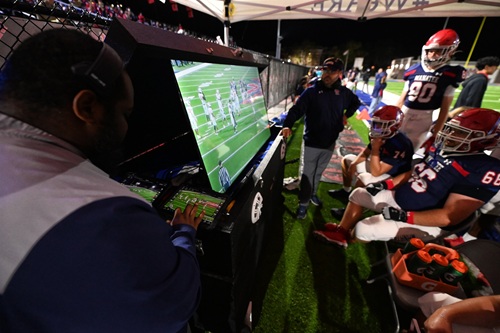
Football fans are familiar with replay in the NFL, when officials review a call or commentators break down a slow-motion shot. But in-game replay for coaches is different. It’s not about referees or TV broadcasts, it’s about giving teams instant access to video footage right after a play happens. Think of it as a live, private video system that helps coaches and players see exactly what just went right or wrong before the next snap.
While this technology has been used in high school football for more than a decade, it’s only recently been approved at the college level. The NCAA allowed in-game video replay for the first time last year and it’s quickly becoming a major factor in how teams operate on game day.
How It Works
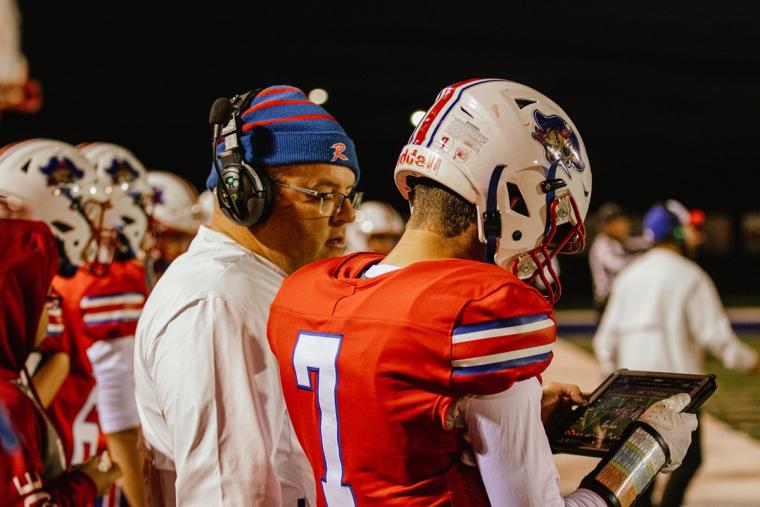
With in-game replay systems, every play from multiple camera angles is recorded and instantly sent to iPads or tablets on the sideline. That means a coach doesn’t have to wait until the next morning to review film. They can pull up the last play within seconds.
For example, if a defensive coach wants to see how a cornerback lined up or how a blitz developed, they can rewind and watch it right there on the sideline. It’s the same kind of visual feedback you might see during a TV broadcast but customized for the team’s private use.
Why It Matters
Football moves fast and even the best coaches can’t see everything from the field. A single wrong alignment or missed block can change the outcome of a drive.
That’s where replay comes in. It helps coaches make adjustments on the fly, showing players exactly what’s happening instead of trying to explain it verbally.
This is especially useful in youth football, where players are still learning the game. Instead of waiting until the next morning to review plays, they can see immediately what went wrong while it’s still fresh in their minds and get it corrected before the next drive.
Real-Time Teaching Moments
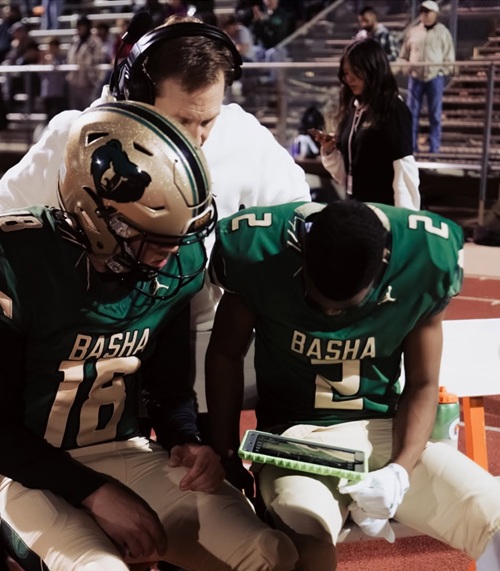
When coaches can show, not just tell, their players what’s happening, the lessons stick faster. For example, an offensive line coach might pause a replay and point out how a defender slipped through a gap on a blitz. A defensive coordinator can show players the exact angle of pursuit that they need to take on a specific play.
For the players, it’s like getting to see a replay of their own mistakes on the Jumbotron, only this one’s in their hands right after they get off the field.
Halftime Adjustments That Actually Work
Halftime is when many games are won or lost. In the past, coaches often relied on what they or their assistant coaches saw live, or on what their players were telling them. Now, they can see everything clearly on the iPads after every play and make adjustments based on what they actually saw.
That kind of visual confirmation leads to smarter changes, better execution and more confident play in the second half.
Why Event Owners Should Care
In-game video replay is quietly shaping the quality of play on the field. Teams make smarter calls, players develop more quickly and the game itself becomes more dynamic.
It’s one of the many examples of how technology is changing football, not just for the pros, but for youth teams.
Final Thoughts
In-game video replay has been part of youth football for years and its influence is spreading. With the systems now on the market, teams can make quicker adjustments, improve communication and play sharper football from the first whistle to the last.
That means that when coaches are huddled around a tablet, they’re not just watching the last play. They’re using technology that’s redefining how football is played, coached and won.
About the Author