

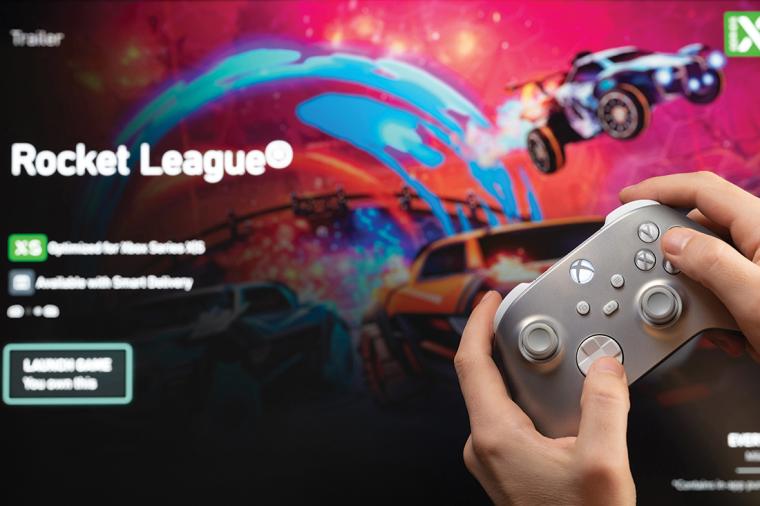
More esports tournaments are being held than ever before, and with an increasing number of colleges offering not only esports teams but majors that allow gamers to find their place in the industry itself, it’s obvious the sport is strong and robust.
Fueling this growth, of course, is an increasing number of youth esports participants who compete across multiple titles.
The Amateur Esports Association (AEA) works to connect clubs on regional and national levels, fostering a home for the highest form of competition within youth esports, while at the same time, promoting the development of morale, sportsmanship and citizenship among organizations and gamers.
SDM caught up with Wyatt Pursley, Chief Executive Officer and president of the board of directors of AEA, to learn the latest developments of the four-year-old nonprofit organization.
How AEA Works
AEA is a 501(c)(3) organization of esports clubs. These may be LAN centers, scholastic esports programs and other esports organizations that have joined the association to further the goal of legitimizing youth esports.
Club play provides a wide variety of unique resources and experiences for players who chose to get involved with them. When we founded the organization in 2021, I was working in small club esports settings across a variety of different schools and providing coaching.
From there, it was easy to see that the amateur scene for esports was a niche that really needed to be filled. Now, we work with clubs across the USA, and the clubs themselves work with the players. We want to set goals and to grow and we hope to be the group that helps them do that.
AEA Events
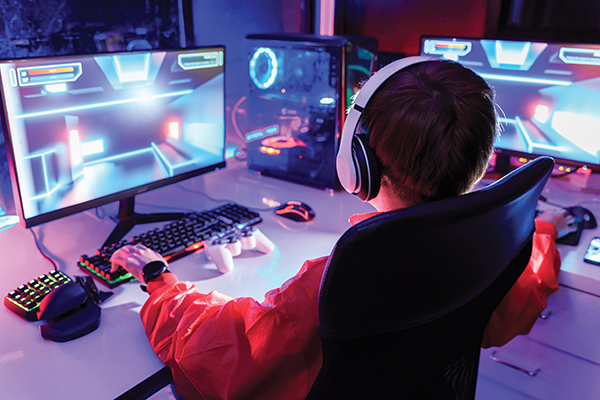
AEA offers a number of tournaments every year in titles including Fortnite, Rocket League, League of Legends, Valorant and Overwatch. The biggest event we put on are our National Championships, which are held in June. A full list of tournaments can be found on our website, www.amateuresports.org.
In 2022, AEA held its first live event at Oklahoma State University; up until that time, all competition was online. In 2023, that competition was held at Kennesaw State University in Georgia. In 2024, the championships were held in three places: All Systems Go in Worcester, Massachusetts; Contender Esports in Tulsa, Oklahoma; and NCEA in Cary, North Carolina. That was our first year of hosting in multiple locations; we did it to help solve the accessibility issue for people coming from different places.
This is another part of making people understand that esports are legitimate. Parents are willing to spend money on travel basketball and soccer for their kids but when it comes to esports, they’re hesitant to commit money. Obviously, we’d like to see that change.
The Growth of Purpose-Built Esports Venues
It’s great to see the new esports tournament and play facilities going in. Esports Stadium Arlington in Texas is really nice and is doing a lot to help people see that esports are legitimate. North Carolina also has some fantastic esports facilities and so does Toronto, and other places are building them as well.
I think a very fair question, with all this construction going on, is how much it is impacting people’s decisions to live or work in a certain place. Something to remember is that when people join an esports club, they become part of a community. Being in a city that has a big esports development means that you will be able to find people with similar interests.
Statistical Information on the Esports Sector
Statistics regarding how many people are playing, and which titles are the most popular are not things we track directly. I would say that what we’re seeing overall is movement in the industry – some in a good direction but some not.
For example, there have been cancellations of some planned tournaments (obviously not what we want to see) and there has also been a tendency to take some events entirely online.
Presenting virtual competitions is both a pro and a con; it’s good that the tournaments are still taking place but it’s really better to have live events since they offer so many more opportunities for players and create such good experiences.
Why Live Esports Events are Essential
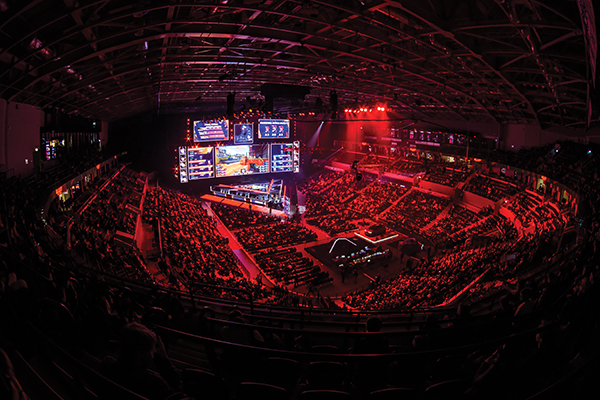
These events bring kids together and allow them to meet one another face to face. It also allows people to actually see what gamers do and how they compete.
I’ve worked in events where there is a major tournament and parents attend and for the first time, they’re able to see what their child is doing, how dedicated they are and how exciting it is. I can’t count the number of times I have had parents come up to me and say, “Oh, wow, I really get it now.” Actually seeing your kid compete, rather than having them off doing it alone, makes a big difference.
The Olympic Question
Even for someone like me, who is so invested in esports and who believes in them so wholeheartedly, the question of whether or not esports should be in the Olympics – and how – is very interesting and very complicated.
It’s certainly good for esports to compete on its own national stage, against other teams in which countries are putting up their best. It gives validity to the competition and it certainly raises the profile of esports as whole.
Unfortunately, you also have to look at the fact that, for example, if you have people competing in esports basketball, it creates a question as to whose title you’re going to use.
For example, the sport of basketball is not intellectual property; nobody owns it, but in esports, a decision will have to be made as to which title will be used. Companies are profit-driven so that is going to be a consideration; there’s the potential for back-door dealings to be going on.
The Future of the Gamer
There are definitely career opportunities in esports, thanks to the infrastructure that is being put into place at the high school and college levels; however, it is really necessary for kids to have a plan for what they want to do following graduation.
If, for example, someone thinks they’re going to be a pro esports competitor, that is a lot like saying you’re going to be a pro athlete in any other sport – it is so difficult, and the chances you can make a living at it are so slim that it is not advisable to have that as your only goal.
Kids are becoming aware that there are other careers in the esports industry they can pursue, just as there are other careers in sports that don’t involve actually being an athlete. It’s good for them to be thinking about that, and to understand where they might fit in. SDM
About the Author