
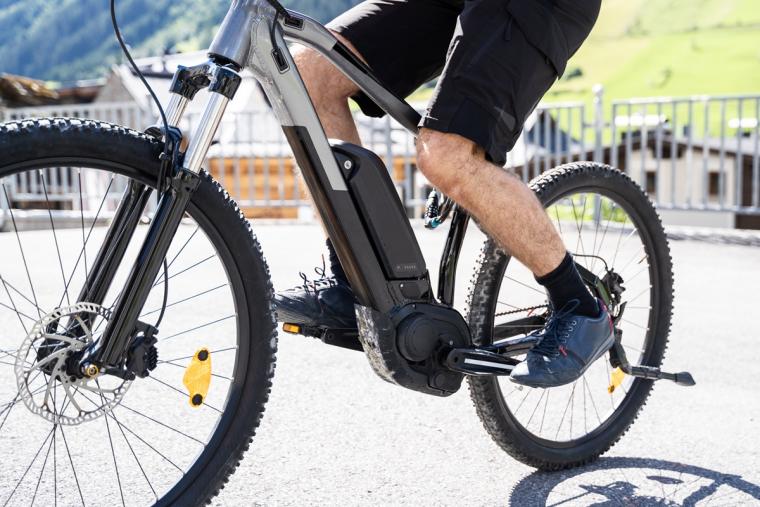
Photo © Andrey Popov | Dreamstime.com
While it doesn’t reach the level of divisiveness that some issues do (*cough cough politics! cough cough*), the subject of whether or not e-bikes should have a presence in competitions and on venues like trails certainly does cause people to take sides.
Now, though, it looks like a lot of those who were making objections are backpedaling because, after all, money talks, in the form of equipment sales, event registration fees and other revenue streams.
Traditional bicycles, referred to in the trade as “acoustic bikes,” are still popular and still have their place in events and in venues; however, e-bikes have become a force to be reckoned with as their widespread acceptance continues nationwide.
In California, hundreds of miles of trails have been opened to e-bikes, and events are opening up to them as well.
According to GearJunkie, in February, the United States Forest Service announced the approval of class 1 pedal-assisted e-bikes on more than 100 miles of trails in the Lake Tahoe Basin Management Unit (LTBMU).
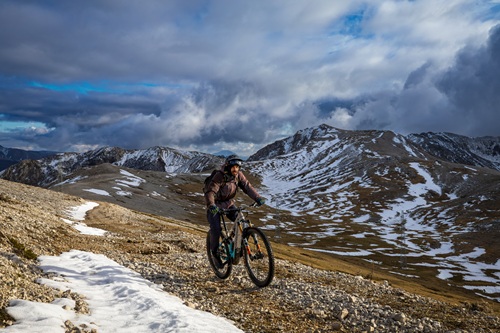
For an explanation of the various classifications of e-bikes, see this article in Bicycling Magazine.
And, says GearJunkie, “similar conversations are underway in Moab, Utah. In September of last year, the Bureau of Land Management’s Moab Field Office decided to permit e-bike usage on about 200 miles of non-motorized mountain bike trails in the area after a year-long debate.”
The move is part of a growing trend in the outdoor industry, which places an emphasis on having more use of facilities like trails and greenways. Previously, e-bikes have been classified as motorized vehicles, severely limiting where they could be used on public land.
The National Park Service also set forth rules governing the use of e-bikes in late 2020.
In many cases, this acceptance has fed into growing pressure on competitive event owners to create classifications for e-bike athletes. And the industry has responded:
- In 2025, the BCBR, a multi-day mountain bike race in British Columbia, announced it would welcome e-bikes.
- The AmsOil Grand National Cross Country Series (GNCC) presented by Specialized also began adding e-bike racing. The races for Class 1 pedal-assist eMTBs were added to select events on the American Motorcyclist Association's race schedule after the electric bikes were used for moto course inspection the previous year.
- The Sea Otter Classic, the largest consumer bicycle festival in the US, added an eMTB event to its race calendar in 2016, racing on a hilly off-road course especially for Class 1 pedal-assist electric mountain bikes. Sea Otter takes place every April at Laguna Seca Raceway in Monterey, California.
- The eBike Grand Prix Series was announced as a debut event for 2022, with a global calendar.
- The California Enduro Series also added an eDuro Series offering eMTB enduro racing at three of its six stops—one in Ensenada, Mexico, and two in Northern California. Racers could compete in one of four categories: Expert eMTB Men, Expert eMTB Women, Sport eMTB Men, and Sport eMTB Women. They rode the same stages and courses as racers in their respective non-electric classes.
- Union Cycliste Internationale (UCI) held its first E-MTB World Championships in 2019 at Mont-Sainte-Anne in Québec, Canada, with a total of 6,000 euros up for grabs for the top three finishers in the men's and women's races.
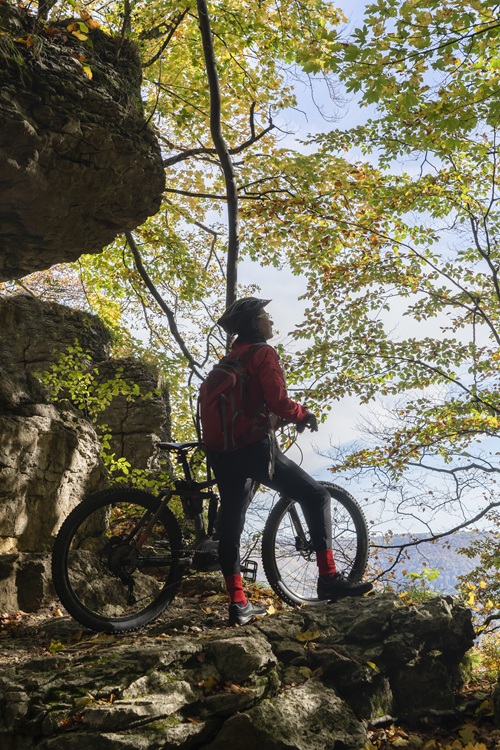
Photo © Rinofelino | Dreamstime.com - The Oregon Bicycle Racing Association began allowing Class 1 e-bikes into events in 2021. “There are many folks that would never try racing, but if e-bikes are offered, they might consider it,” said race promoter Chris Culpepper.
- National governing body, USA Cycling, created a policy around e-bikes in events; find it here.
So why the increased adoption of e-bikes, in both destinations and events? Several reasons, really, but they all come back to the bottom line:
Keeping People in the Sport: E-bikes can keep people cycling, rather than leaving the sport or becoming inactive. Those who were ready to give up the sport because of physical injuries or limitations can use e-bikes to prolong their enjoyment of the sport.
Convincing People to Take Up Cycling: Individuals who might have been hesitant to take up cycling as an activity are intrigued by the concept of pedal assist. The cycling industry sees this as an entry point that could welcome people to traditional cycling.
Growing Events: More competition categories mean fuller event fields. That builds an event’s value to athletes and has a self-perpetuating positive impact, both in terms of athletes and in terms of economic impact.
Encouraging Novice Riders to Enter Events: Along those same lines, new e-bike athletes (who might otherwise have been bystanders at previous events) are encouraged to dip their toes into the competition waters, particularly if there are registration categories (or even separate races) for novice or first-time riders.
And as Bike Portland notes, all those are positive points:
“It was inevitable e-bikes would move from recreation and transportation into competition,” said Clint Culpepper. He’s excited about how e-bikes can broaden the appeal of competitive cycling. “There are many folks that would never try racing, but if e-bikes are offered, they might consider it… I’m stoked to see anybody doing anything related to bikes they wouldn’t do otherwise.”
Oregon Bicycle Racing Association Executive Director Chuck Kenlan agrees. “I personally know a few people who ride e-bikes because of health issues and if the right event was offered, they’d jump at the chance to sign up.”
The controversy continues, however; just take a look at the comment section on this article.
About the Author