

Photo © Deebrowning | Dreamstime.com
As the sports tournament industry grows, so does the need for places to host those tournaments.
And in landlocked areas, developers have found a go-to target: Small colleges that have thrown in the towel, unable to keep up with their DI counterparts who rake in large donations and offer high-profile programs.
“Small colleges are closing around the country, not only leaving students looking for a new place to study but leaving communities with large pieces of real estate to reimagine,” reports BisNow.
The article continues, “Nearly 300 colleges and universities closed between 2008 and 2023, according to The Hechinger Report. And more than 400 additional private, nonprofit four-year colleges and universities — most of which are small and rural — are expected to close over the next decade, Huron Consulting Group projects. As more colleges close, the thousands of acres of real estate they leave behind could present opportunities for local communities and developers.”
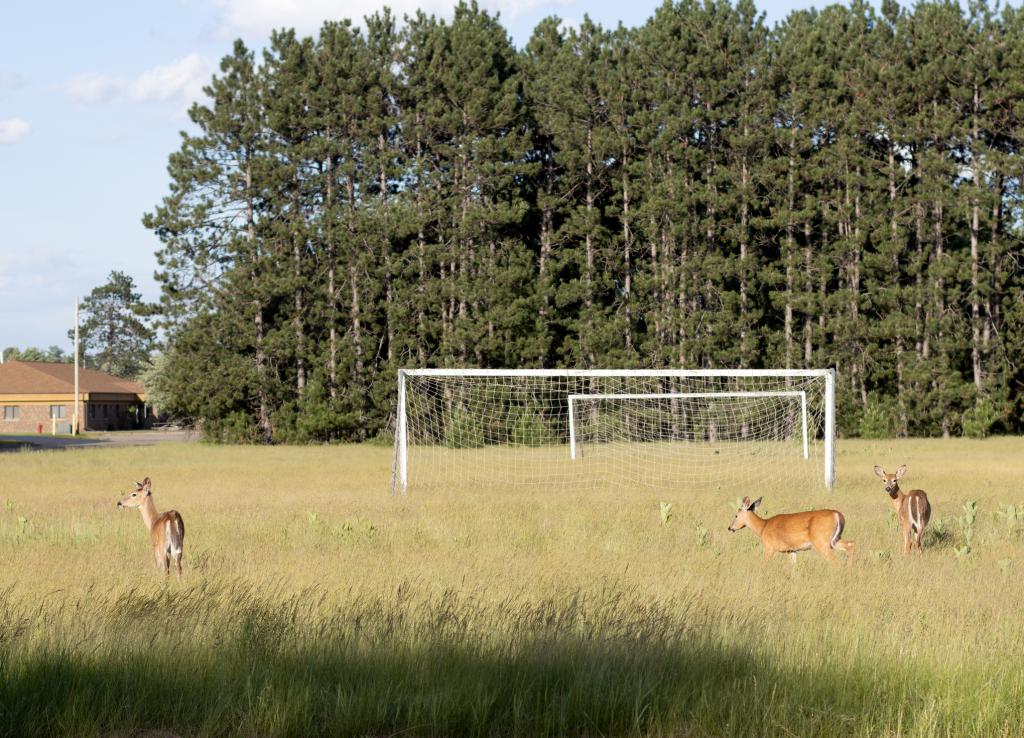
In many cases, the towns that had been home to the colleges are only too happy to have new tenants, since often, the college itself had been the main economy, providing not only jobs to local residents but income to local businesses, including stores, gas stations and other establishments.
In February, Bannockburn, Illinois-based Trinity International University announced that the 2025-2026 school year would be its last, following prolonged financial struggles.
Anthony and Anna Donato purchased the 114-acre property for $20 million, with the announcement that they intend to turn it into a sports center.
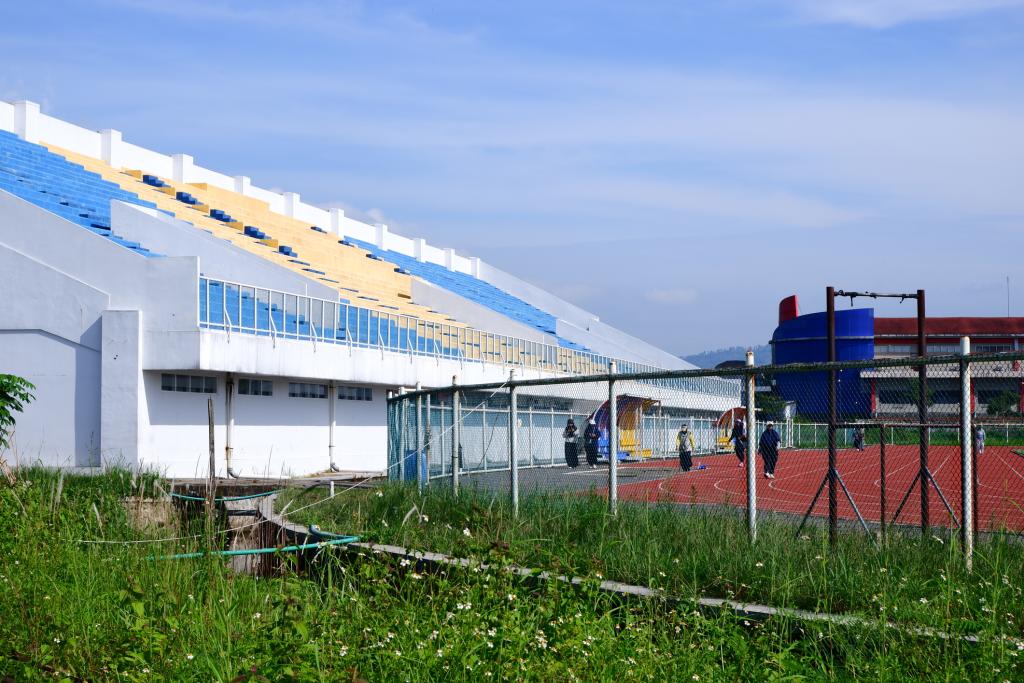
And apparently, the couple has wasted no time. According to Youth Sports Business Report, the 115-acre property includes a 25,000-square-foot indoor sports complex that has been hosting basketball, volleyball, futsal, soccer and flag football leagues since March.
Phase Two plans call for retail development on the northern 50 acres of the property.
“The goal is to lease these spaces as much as we can, because they’re here and there’s so much need in the community for youth sports,” Anna Donato told YSBR.
Anthony Donato plans to convert the former college’s grass fields to turf by winter 2026, expanding outdoor programming capacity. Several existing buildings are expected to remain. Anna Donato has mentioned the idea of repurposing the college’s former library as a community center.
“A place where kids can meet after school and work on a school project, or community members can have their book clubs,” she said.
YSBR added, “Sports operations occupy the southern portion of the property now, with Phase Two targeting retail development on the northern 50 acres.” Additionally, the Chicago Stars will be building a training facility on an adjacent parcel.
For some colleges, however, the wait between closure and conversion is long. In Long Island, New York, the site of an aviation school once operated by Dowling College (which closed in 2016) has been razed to allow for construction of both a recreational project (an 81,000-square-foot ice hockey complex) and three warehouses.
“When completed, this will be available to all Brookhaven residents and suitable for competitive play and public skating,” Brookhaven Town Councilmember Karen Dunne Kesnig told reporters at Greater Long Island.
Area residents were relieved to have the vacant area (which they feared would descend into blight) moving toward a new purpose.
Beyond the rink, the article continued, “the redevelopment includes a dedication of 21 acres of open space to the town. Separately, Brookhaven has taken ownership of 23 acres of former Dowling athletic fields that are also part of the campus. Those fields require extensive repairs, Dunne Kesnig noted, but will ultimately be available to residents.”
In some cases, only a portion of a school’s campus is purchased. According to Wisconsin Public Radio, Northland College in Ashland sold almost $1.5 million worth of properties after closing the campus; among the acreage sold was the land containing the baseball and softball fields.
WPR notes, “The private nonprofit Chequamegon Bay Friends of the Fields, Inc. made the largest purchase so far when it bought Northland’s baseball and softball fields along with an indoor practice and storage facility and apple orchard for $485,000.
Tyler Wickman, a member of the group’s board of directors, said the total purchase came to $500,000 when factoring in equipment. Under a deed restriction, the property will be preserved for use as a sports and community complex for 30 years.
“(Northland) wanted some lasting legacy,” Wickman said. “It’s our goal to maintain these facilities for the community.”
While many colleges, on the surface, appear to be perfect candidates for redevelopment as sports campuses, the reality is different, since institutions can, and often do, bring baggage to the equation.
“Every [closed college] that we’ve worked on had deferred maintenance of some kind, whether it was roof or air conditioning systems or heating systems, or potentially environmental things that were not taken care of. We’ve had gymnasiums where the pool was sinking, roofs leaking, everything,” Emilio Amendola, co-president of A&G Real Estate Partners, told reporters at Inside Higher Ed.
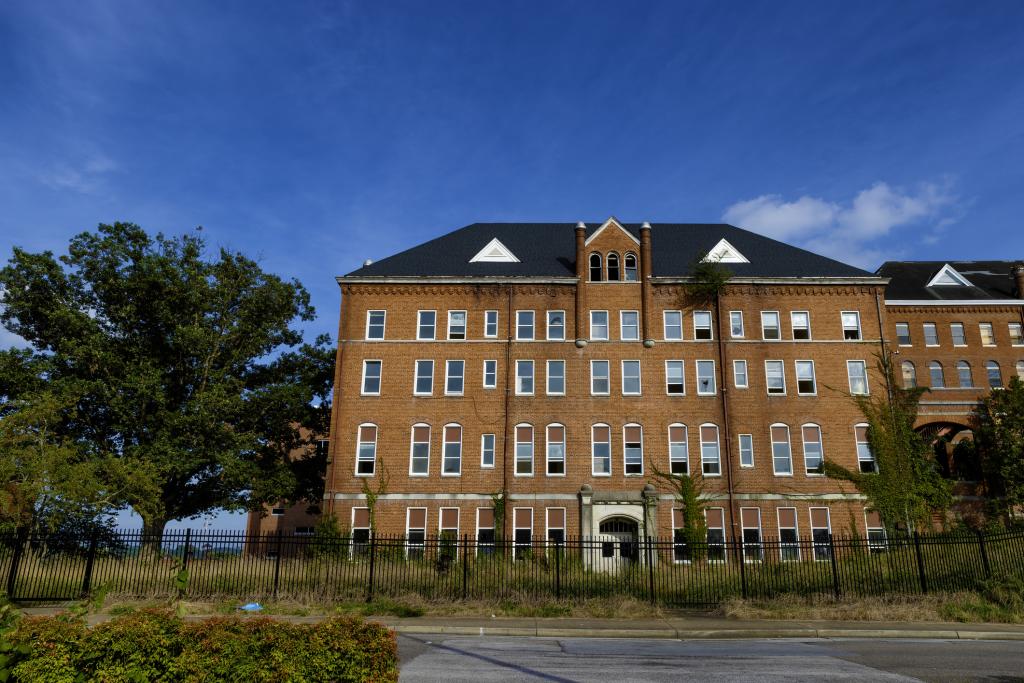
Even on-campus amenities like dorms (which in theory could be repurposed for the housing of athletes and families attending events) and cafeterias (which could serve as restaurants) often need extensive changes like retrofitting in order to maintain compliance with current building codes, updates to electrical systems for energy efficiency and updates to HVAC systems, as well as structural changes to meet ADA standards.
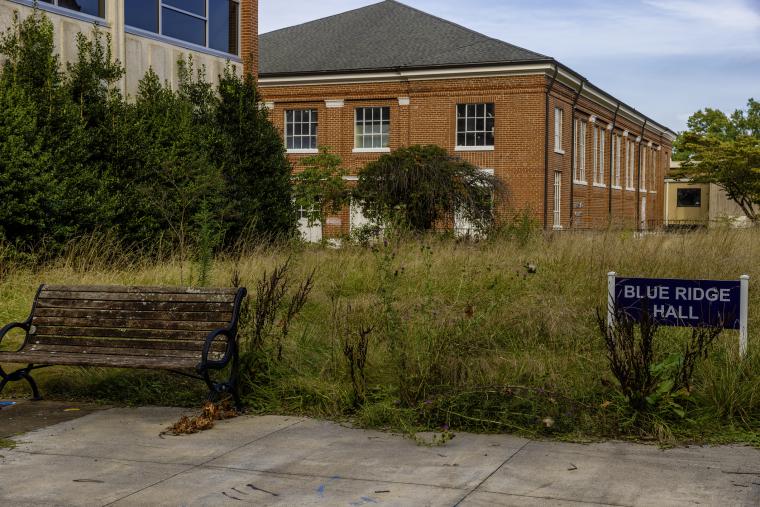
Additionally, those that have remained vacant can become targets for vandalism, as happened to the former Virginia Intermont College.
Colleges located in remote and/or largely rural areas often lack sufficient hotels, restaurants and attractions, as well as accessibility to airports and other transportation infrastructure, to support sports tourism, even if the property itself is developed.
In fact, an institution in such an area may well sit empty for years, added the Inside Higher Ed article.
“These campuses can have a lot of value, residually, based on wherever they are. Some of them can be a real struggle [to sell], because they’re located basically in the middle of nowhere, which is probably one of the reasons that they are going out of business,” said Jeffrey Woolf, senior vice president and national practice leader of the realtor CBRE, which has sold multiple campuses. “It’s like the old real estate adage — location, location, location. That holds true in college real estate, too.”
About the Author