

Photo © Toxawww | Dreamstime.com
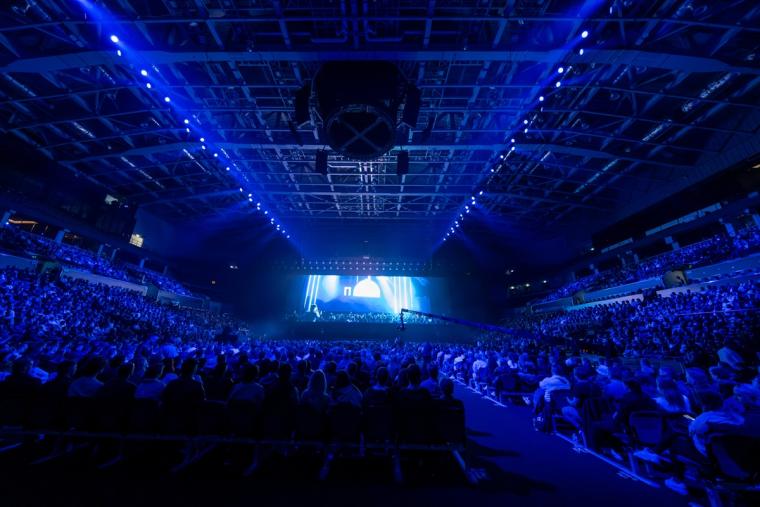
Remember the Pro Cheer League, the travel concept that introduced teams of cheer athletes (working for pay and representing different markets), who competed against one another in front of a live audience?
It’s back. In fact, the concept has been successful enough in its inaugural season to make a return appearance.
The first season introduced co-ed teams in all four cities, with each team consisting of 30 top-tier athletes competing as part of the Atlanta Air, Dallas Drive, Golden State Grit and Miami Metal.
The new season, which begins in December, will see the addition of two more teams: the Houston Hustle and the Kentucky Crush.

Expect there to be some increased interest around Kentucky; it is being coached by Jomo Thomas, who led the University of Kentucky cheer program to an unprecedented 18 national titles; additionally, Thomas brought the UK squad to the 2018 Winter Olympics to represent the USA as ambassadors in PyeongChang, South Korea.
Unfortunately, Thomas was also at the center of the media storm when, in 2020, he was among four Kentucky coaches dismissed from the program amid allegations of hazing activities and other activities. (He has since served as an elite-level coach at Cheer Athletics Lexington and worked Renegade Cheer as a guest coach.)
But Thomas has, by all accounts, been unyielding in his commitment to excellence and it is expected that he will bring that to his work with the Kentucky Crush, making the next season even more compelling to viewers.
Speaking of which. Cheer Daily believes the Pro Cheer League is off to a good start but that it needs more storytelling to create interest among viewers:
“We saw athletes execute skills, but we did not truly meet them as people or understand what their teams represented. Who are these rosters? Where did they come from? What binds them together? What is at stake for them beyond winning? ... A league rises and falls on whether the audience cares about the teams.
If the Pro Cheer League wants to grow beyond its existing fan base, it must better educate viewers about what they are watching and why it matters, while also doing more to humanize its teams so audiences connect with the people and stories behind the skills — not just the stunts and skills themselves.”
Additionally, Cheer Daily noted, the high-gloss package often felt overly commercialized:
“Adding to that tension, the overall presentation at times felt less like a sporting event and more like a television game show — segmented, fast-paced, and designed around instant spectacle rather than sustained competition or narrative.”
Viewers were repeatedly told that certain elements were “pro-level only.” What they were not consistently told was why. How does professional cheer differ structurally from all-star or college cheer? How do these athletes train? How were teams built? What makes this format unique beyond the fact that it is televised?
For a league trying to introduce itself to the mainstream, those explanations cannot be optional.”
And, noted the article, the league had some technical idiosyncrasies that made it less than transparent to viewers, even those with a sophisticated understanding of cheer skills:

”That lack of education was further underscored by the fact that, after the broadcast, there was no way for viewers to rewatch the match in full — only a brief recap shared with media.
For a brand-new league attempting to build understanding, fandom and credibility, limiting access to the complete broadcast works against its own goals.
A full replay would not just serve existing fans; it would function as an educational resource for anyone trying to make sense of what professional cheer is and how it works — particularly given the league’s distribution partnership with Paramount, which would seem to make streaming access both feasible and logical.”
In fact, the entire presentation was set up for TV, explains this article, which explains the use of UpLight Technologies across all competitions.
Additionally, IPP Music saw the Pro Cheer League (owned by scandal-plagued Varsity Spirit, which announced $126 million in antitrust settlements) as a thinly veiled attempt on the part of the platform to rehabilitate its image — while still maintaining control of the cheer market. (More details about that can be found here.)
Related Content
About the Author