
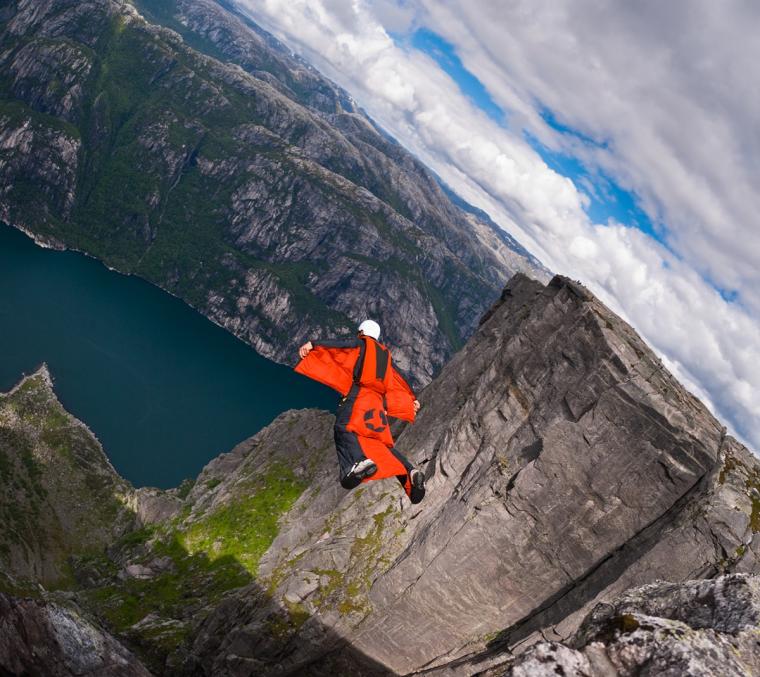
BASE jumping, while illegal in all national parks, has seen an uptick since the shutdown. Photo © Evgeniya Moroz | Dreamstime.com
U.S. National Parks aren’t hanging the “No Vacancy” or “Keep Out” signs, but they do have a very stern message for BASE jumpers, rock climbers, extreme sports enthusiasts and others who are attempting illegal activity during the shutdown: Just because you can do something, well, it doesn’t mean you should.
With a skeleton staff and almost no rescue resources, park personnel are overwhelmed and may not be able to help those in danger, according to one article, which notes,
In an interview with Newsweek, a director at the Association of National Parks Rangers said, “It appears that the BASE jumpers and squatters are taking advantage of the significantly reduced NPS staff during the shutdown. These are exactly the kinds of things that we knew were likely to happen if the recommendations of our several organizations to close the parks during the shutdown was ignored. I guess we can say, ‘We told you so.'”
"We are aware of reports of BASE jumping in Yosemite and investigate all reports," a parks department spokesperson told news reporters. "BASE jumping is illegal in all national parks, including Yosemite, due to the significant safety risks it poses to participants, the public and first responders."
Nevertheless, videos are circulating on social media, showing BASE jumpers doing their thing of El Capitan in Yosemite.
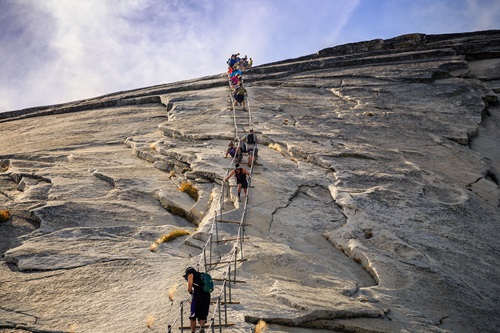
Other unpermitted hikers have been swarming onto Yosemite’s Half Dome, one of the most popular (and treacherous) hikes, which ends in a roped climb up the steeply curving rock face. And the resulting crowding adds a significant risk:
“Sadly, this gives hikers a bad name and frustrates the ones who do go through the proper channels and wait for a permit or who choose to follow the rules and do not hike at all,” said one climber. “As a health care worker, it makes me sad that those who break the rules do not consider the potential danger you put others in who may need to rescue you or recover your body.”
In years since people started trying to scale Half Dome, there have been 25 accidental deaths recorded there. Park personnel say that with the sudden congestion and the accompanying risks, not the least of which are unskilled climbers, there may well be more.
NPR adds that without rangers to have eyes on potential trouble spots, there is the very real risk of being unaware of extreme athlete wannabes who have gotten themselves into trouble. In fact, a contingency plan for national parks states that emergency services will be limited.
Then there’s, well, the trashiness of it all. Some of the impacts on public lands, such as national monuments, national conservation areas and wilderness, include pileups of trash and human waste as well as vandalism due to a lack of adequate law enforcement, David Feinman, vice president of government affairs at the Conservation Lands Foundation, told ABC News.
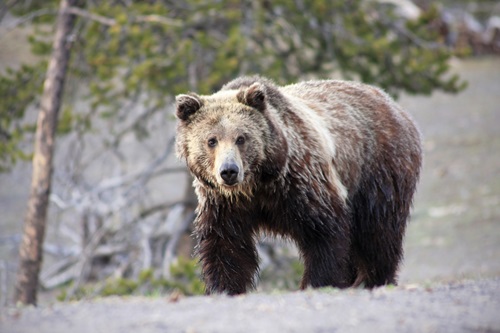
Unlicensed fishing in national parks is also a possibility; hunting is something else that could see an uptick. Hunting is against the law in parks, which have long been areas for conservation of species of concern. Additionally, without ranger support, encounters with wildlife, such as bear, mountain lions or bison can pose risks as well.
Park staff have been trying to cope with the additional problems of squatters in campgrounds. National parks require a camping permit but without an adequate staff of rangers to enforce this, plenty of individuals have made themselves at home. Skeleton crew staff are dismantling unpermitted campsites; however, often, campers simply move off to other areas.
And considering that in many areas, winter is setting in, camping becomes a risky business, particularly for those who lack the proper gear and knowledge. In January of 2022, a hiker had to be airlifted out of the Great Smoky Mountains National Park by the Tennessee National Guard after he became hypothermic.
Rescue services, additionally, do not always come free (or cheap). According to National Parks Traveler, “Some states do have laws on the books that make it legal to bill adventurers for rescues. New Hampshire, for example, is not shy about presenting people with an invoice after a rescue. According to the Appalachian Mountain Club, the state rescues about 189 people per year and will send bills to 17 of them.”
But wait. There’s more. “For example, back in 2015, the state won a legal battle when the New Hampshire Supreme Court ruled the state was in the right when it charged a Michigan man $9,100 for rescuing him after he dislocated his artificial hip on a backpacking trip in 2012. The state argued the man was negligent for undertaking a multi-day trip with an artificial hip, and presented him with the bill, which he fought up until he lost the case in the state's highest court.”
Sounds like those free BASE jumps and climbs up Half Dome may come with a cost.
About the Author