

Photo © Mikel Martinez De Osaba | Dreamstime.com
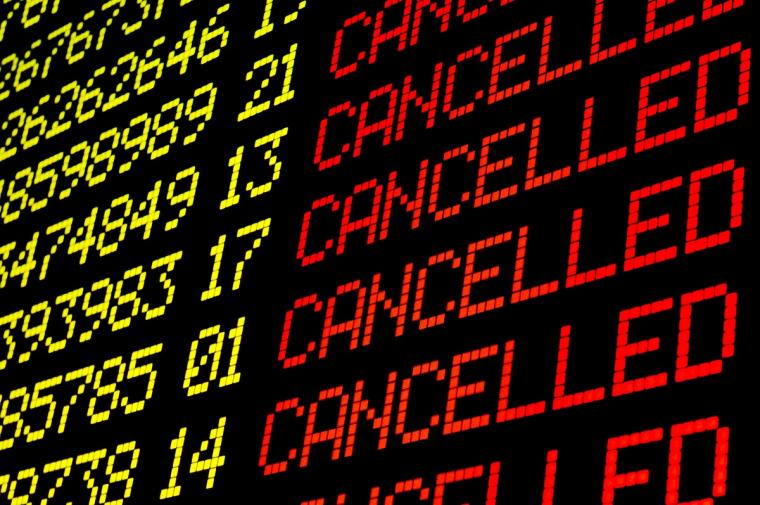
There’s never (ever) a good time for widespread flight cancellations but on the height of the fall tournament season, and on the eve of holiday travel, this one is particularly problematic.
With the recent announcement of Department of Transportation-ordered flight reductions at major airports, travel sports events are scrambling, along with conventions and other events aimed at business travelers.
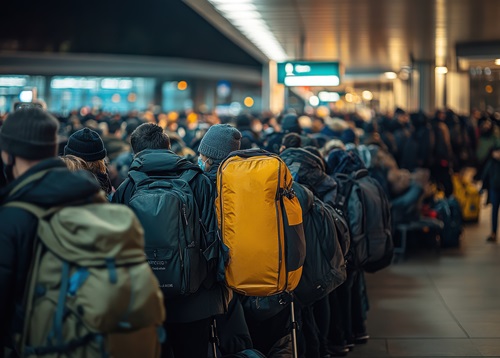
According to USA TODAY, “the changes are aimed at alleviating stress on essential airport employees who have been working without pay, and ensuring that all scheduled flights remain safe. Since the shutdown began October 1, tens of thousands of flights have been delayed because of widespread air traffic control shortages. Airlines say at least 3.2 million travelers have already been impacted by air traffic control shortages.”
According to DoT sources, 40 major airports will see a 10 percent cut in flights, which began on November 7. Airports across the country (a list is found in the link), including those in major hubs like New York City, Atlanta, Denver, Chicago and Los Angeles, are impacted; however, smaller airports will feel the trickle-down effect as well.
While nothing can be done to prevent flights from being cancelled, savvy travelers and organizers have strategies and workarounds aimed at helping to craft the least disruptive experience. The LA Times provided this list:
First, be prepared: No matter how long or short your flight is, pack a few essentials (such as medications, a change of clothes, reading materials, toiletries and travel documents) in your carry-on bag in the event your luggage is delayed during a layover.
If you haven’t booked your flight yet:
- When searching for available flights, it’s best to find one that’s non-stop. The lack of stops or layovers doesn’t guarantee that your flight won’t be delayed or canceled but it does reduce the chances of either happening.
- Try to avoid routes that rely on smaller planes that head to regional airports because if the FAA “is going to cut flights they’re going to cut the smaller ones,” said Tyler Hosford, security director of at risk mitigation company International SOS.
- When you consider travel times, look for morning departures because the plane and the crew are typically already at the airport. Afternoon and evening departures increase your risk for crew shortages and plane delays. Also, when a morning flight is canceled, there is more time to reschedule the flight or figure out your options.
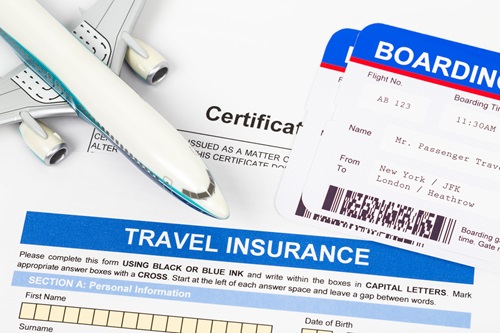
What about trip insurance?
- If possible, book a flight with a credit card that has trip delay insurance, so if there’s a delay over a significant number of hours, you can get up to $600 for things like food and a hotel booking.
- If you have travel insurance, call your provider and check whether a flight cancellation due to the government shut down will cover the costs of the lost flight.
- The “cancel for any reason” coverage is the “best option for flexibility,” usually reimbursing between 50 percent and 75 percent of prepaid, nonrefundable trip costs if policy-holders cancel at least 48 hours in advance, Suzanne Morrow, CEO of InsureMyTrip told USA TODAY.
- In fact, InsureMyTrip further noted to USA TODAY that there has been a significant increase in air travelers, adding its Disruption Assistance feature, which allows users to instantly rebook if their flight is delayed or canceled, or get a refund overnight following the DoT’s announcement. “Since the start of the shutdown, sales of Disruption Assistance have skyrocketed over 60 percent,” the company said in an email.
If you’ve already booked a flight:
- Technology is your friend. Download your airline app to stay up to date on your flight’s status. There are also paid apps that provide widespread information on flight cancellations and delays (whether these are weather-related, labor-related or anything else). The LA Times article has information on some of these.
- If you’re really worried, book a backup flight; however, the best bet here is to use frequent flyer miles which can be more easily refunded. (The article cautions against booking a backup flight as a “basic economy” ticket because travelers could get stuck with travel credit instead of a refund.)
If your flight is cancelled:
Take steps toward securing a seat on another flight by following these steps.
- Get in line for the airline’s customer service desk.
- While you’re in line, check the app for any flight options.
- Maintain your spot in line and try to call the airline’s customer service hot line or chat with a travel agent through the airline app.
- Pro-tip: If the U.S. customer service phone line has an extended wait time, call the airline’s international hot line. Fees may apply for the international call depending on your cell service provider; however, the wait times will be much shorter.
If you elect to cancel or change your flight, know that airlines are waiving penalties and charges for passengers who take either of those steps.
An essential resource is the U.S. Department of Transportation’s updated online list of what airline carriers can or must do if a flight is significantly delayed or canceled. Some of the listed information includes whether the airline will rebook your flight at no additional cost or which carriers will provide complimentary ground transportation to and from a hotel for a passenger affected by overnight cancellation.
About the Author