

Photo © Andrey Popov | Dreamstime.com
The intersection of sports and technology is getting increasingly busy. Not congested, just busy. Bustling, even. And that's a good thing.
That’s the takeaway from the American College of Sports Medicine’s annual forecast on key fitness trends in the marketplace.
This year, there was no shortage of ways technology will continue to make its way into the industry. While multiple trends overall were identified (see them all here), here are the top tech-related trends. And yes, though many are mainly applicable to home and gym fitness – but there are still some key takeaways (and even some opportunities) for the sports business industry.
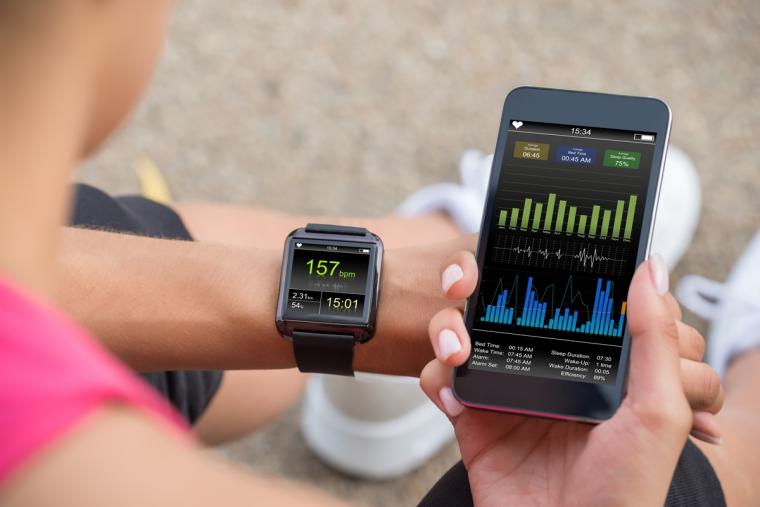
Wearable Technology: It’s not exactly new but it is growing exponentially and this year, it was the top trend in the survey. According to GrandView Research, the global wearable technology market size was estimated at $84.2 billion in 2024 and is projected to reach $186.14 billion by 2030, growing at a CAGR of 13.6 percent from 2025 to 2030. The USA held the major revenue share of over 34 percent of the wearable technology market in 2024.
For the purposes of research, wearable tech is defined as non-medically prescribed devices designed for the commercial market and with consumer and fitness wear in mind; they provide data on heartbeat, quality of sleep, blood pressure, calorie burn and other information required to keep track of health on a daily basis.
Wearable tech devices may also track sport-specific information, including steps taken (such as in a running or walking workout) or data from other types of workouts, such as vertical feet skied.
Takeaway for the sports travel market: If you have a trade show or expo, and you aren’t soliciting companies that provide these devices, you’re missing out. Additionally, you can harness enthusiasm by allowing users to post their data and compete with others via a platform on an event’s mobile app. Which brings us to the next growing point of tech in sports.
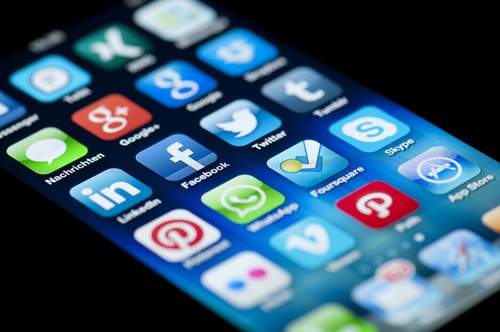
Mobile Exercise Applications: They might have exploded in popularity during the pandemic but exercise apps are still going strong. The development of virtually hosted runs, cycling events, fishing tournaments and other sports propelled the popularity of mobile apps like Strava (running and cycling) or FishDonkey (fishing tournaments). And in an example of the evolution of the industry, event insurance companies began offering coverage for virtual competitions.
Takeaway for the sports travel market: Expect app popularity to remain strong and expect people to continue asking about competing (or at least participating) virtually.
Data-Driven Training Technology: Coming into the top 10 of ACSM’s list of trends is data-driven training technology.
“Clients are desiring instant feedback on their training so that they can adjust or modify to maximize outcomes and reduce injury. We are seeing this in individualized programming and in group-based classes,” A’Naja M. Newsome, PhD, ACSM-CEP, EIM told ACSM.
Takeaway for the sports travel market: Event owners can forge partnerships with specific training platforms for added visibility. They can also leverage sponsorship benefits for doing so.
On-Demand Fitness Classes: Prior to the pandemic, health clubs were allowing patrons to reserve space in workout rooms where an onscreen instructor would lead them through a workout. Starting in early 2020, these programs, along with mobile apps flourished, and are continuing to do so.
Takeaway for the sports travel market: Event owners may be able to leverage sponsorship benefits from companies that produce these classes, with the incentive of labeling them “The official workout of (name of event).”
Some tech/sports crossovers, however, seem to be causing problems here and there. Influencer- or Ambassador-Led Fitness Programs, coming in the top 20 of ACSM’s list, shows that consumers are giving increasing attention to social media influencers and celebrities who promote their own fitness brands.
Ambassadors may include pro athletes or owners of a sports or fitness franchise. Influencers are generally social media personalities. Both serve to raise the visibility of sports and events.
But, say venues and event owners, with social media influencers, it’s a two-edged sword, and visibility can come at a cost. Some influencers have caused problems in sports events, like the man who disrupted a marathon while his posse followed him on bicycles, filming him throughout the course, while others, like the woman who hit a golf ball and tossed a broken club into the Grand Canyon, created a safety hazard for people in the area.
Far better for the industry – and for all-around attraction of individuals to a sport – are the more positive, learning-oriented social media clips that highlight athletes learning to master a skill, then showing it in competition, as was discussed by Lauri Harris, executive director of USA Cheer, in this article in Sports Destination Management.
One thing is certain. Technology is continuing to evolve and so are sports. These will hardly be the last time so many tech-driven trends make headlines.
About the Author