

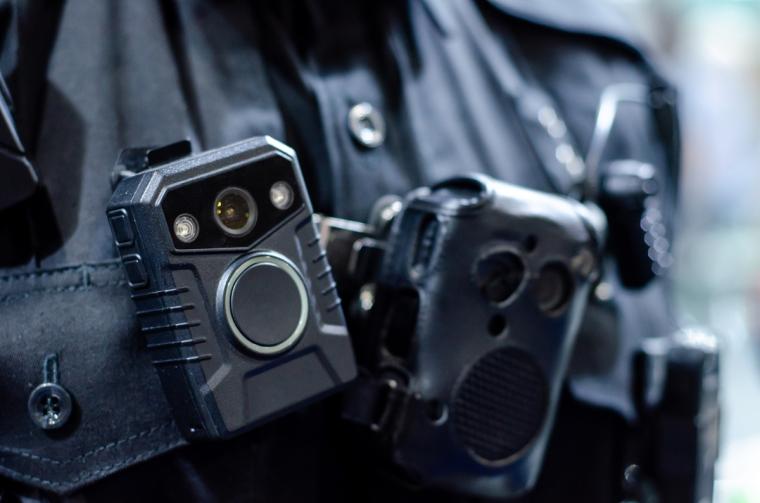
Photo © Oleksandr Lutsenko | Dreamstime.com
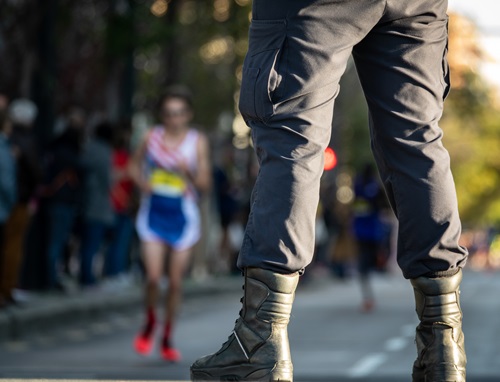
Security at sporting events is complex. Whether it’s a youth soccer tournament with hundreds of families on site or a collegiate basketball game with thousands in the stands, organizers and venue operators face the same challenge: How to best ensure a safe environment without creating barriers that take away from the fan or participant experience.
Body-worn cameras, once known strictly as a tool for law enforcement, are now increasingly considered a practical solution for private security teams at venues and events. Recent data suggests that not only is the technology effective, but it's largely welcomed by the public.
A YouGov poll of 2,500+ U.S. adults conducted in June 2025 revealed compelling insights:
More than 70 percent of respondents said they were either comfortable with—or indifferent about—the growing prevalence of body-worn cameras in everyday settings.
62 percent specifically supported body-worn camera use by private security personnel in locations such as sports venues, shopping centers, and office buildings.
This level of support makes for a compelling case for venue management: Bodycams are viewed as a welcomed part of modern safety infrastructure across a broad range of settings. For sports destinations and event operators, this opens the door to an additional security measure that can help address challenges unique to live sports.
The case for bodycams at sports venues
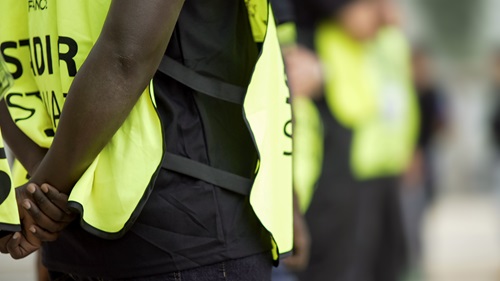
Sports events, from youth to professional, bring together large, diverse groups of people. Parents, athletes, coaches, referees, and staff all share space in environments that can be highly emotional, energetic and crowded. Security teams must be prepared to handle everything from medical incidents to tension in the stands, lost children to severe weather evacuations.
Here are three reasons body-worn cameras are particularly well-suited for these environments:
- Deterring and de-escalating moments of tension – The visible presence of a bodycam can change behavior. Case in point: The aforementioned research found 44% of respondents agree they would think twice about their behavior if they knew employees in a given setting were wearing body-worn cameras.
- Collecting an objective record of events – Security staff at venues are often faced with the need to make quick decisions in tense moments. After the fact, whether it was a parent challenging a security officer’s handling of a situation or an insurance claim related to an injury, bodycam footage provides an objective record of events. This protects not only the individuals involved but also the reputation and liability exposure of the event operator and host venue.
- Enhancing training and continuous improvement for staff – Bodycam footage is a valuable tool for training. Reviewing recordings allows security teams to evaluate responses, refine protocols, and identify gaps in preparation. For organizations that rely on part-time or seasonal staff—a common scenario in youth and amateur sports—having real-world footage can be an asset in quickly onboarding new personnel. Knowing an interaction is being recorded often encourages individuals to de-escalate heated situations. In the context of a sports event, where emotions can run both on and off the field, this proactive effect can prevent disputes from becoming major problems.
Bringing bodycams into sports venue safety
For those running youth tournaments, high school championships or collegiate invitationals, the decision to add bodycams to a security program can be straightforward. These considerations can help make implementation as smooth and seamless as possible:
Pilot Programs: Start small. Equip a limited number of staff at an event and assess how the cameras impact incident response, attendee satisfaction, and staff confidence.
- Policy Development: Establish clear guidelines for when and how cameras should be used. Consistency is key to maintaining credibility.
- Communication: Inform athletes, parents, and staff in advance. Chances are, people will welcome the additional safety measure once they understand the purpose.
- Training: Invest time in ensuring staff know how to use the technology and how to integrate it into their broader role of keeping events safe and welcoming.
- Privacy: The question of privacy is a natural one. The YouGov poll provides reassurance: The majority of respondents are comfortable with this technology being deployed in public spaces. Still, transparency is critical. Clear signage, consistent staff training, and thoughtful policies about data storage and access help build trust with attendees.
All of these considerations should be guided by a solution provider who acts as a partner not only in deployment of the technology, but on an ongoing basis. That partner should have safeguards in place when it comes to data storage and access, for example. Thoughtful policies should delineate data retention timelines, adhere to regional privacy protections, and uphold compliance with applicable data protection laws.
Keeping safety at the forefront
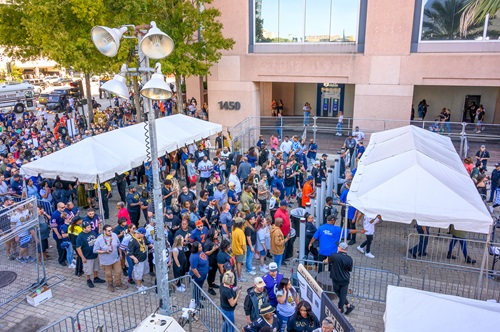
Sports are about so much more than competition—they’re about community, building character and making memories. Families expect that when they bring their athlete to a tournament or event, the environment will be safe, secure and well-managed. Body-worn cameras can help deliver on that expectation.
By providing deterrence, transparency, and valuable documentation, bodycams give event organizers another tool to strengthen security programs without creating barriers between fans and the action. With the strong public support proven by the YouGov poll, the time is right for more sports destinations to explore their use.
About the Author