


Photo © Suzanne Tucker | Dreamstime.com
Flu cases are up this year, largely driven by a virus variant that has a sneaky way of getting around the body’s immune system. And that’s bad news for tournament directors, particularly as the youth basketball season shifts into high gear.
The flu variant, reports Associated Press News, has become known as “subclade K” and has been the cause of early outbreaks in the United Kingdom, Japan and Canada. Why it’s so evasive and strong is anyone’s guess but scientists say it almost doesn’t matter; the end result is the same: More flu cases.
In the U.S., AP further states, flu typically begins its winter march in December. However, before the close of the year, the Centers for Disease Control and Prevention reported high or very high levels of the illness in more than half of all states.
The youth tournament season, currently in mid-swing with basketball and other sports, brings children (and adults) together and provides opportunities for airborne viruses to be shared. And unfortunately, childhood flu vaccination is down so far this season in every state but Iowa, says the CDC.
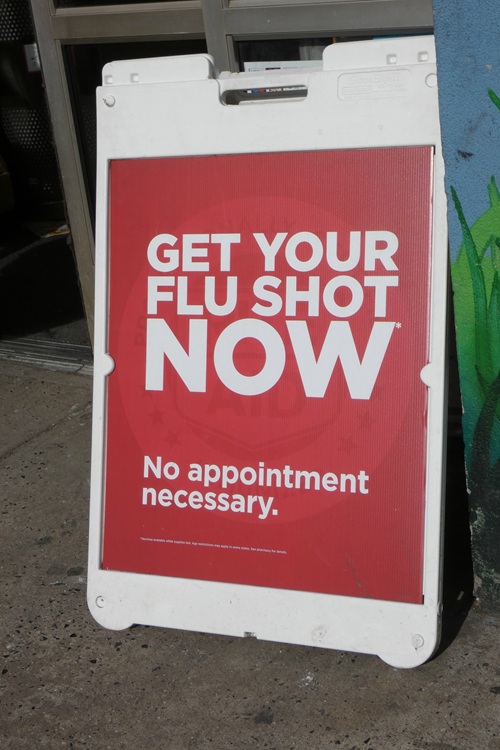
While most tournaments are silent on the issue of vaccines, the Special Olympics actively promotes the idea of athletes getting vaccinated, and even has a special page with information and resources.
Unfortunately, fewer people overall have gotten the shot. According to the CDC, only about 42 percent of adults and children have gotten a flu vaccination so far this year, despite the fact that the flu is hitting kids especially hard.
And, notes Axios, there is a national rise in vaccine exemptions among kindergartners, suggesting increasing vaccine skepticism among parents nationwide. (In fact, the USA is poised to lose its measles-free status, thanks, or perhaps no thanks, to a shortfall in the number of parents getting their children vaccinated.)
The CDC says flu-related healthcare events (both appointments and drop-in visits, such as those at emergency and walk-in clinics) are also high and on the increase, with about 2,569 flu-related visits a week.
Each year, viruses trend upward as people travel and gather indoors for long stretches. However, say the experts, the current flu shot can still be obtained free of charge at any pharmacy or doctor’s office, and can be more effective than any other in preventing severe illness even if someone gets infected.
In other words, it may not be a perfect precaution but it’s still the best there is. Early estimates suggest that this year’s vaccine reduces the risk of flu that’s severe enough to require medical attention by around 32 to 39 percent in adults, and by around 72 to 75 percent in children and adolescents.
What makes the flu virus troublesome each year is that it is a shapeshifter (yes, just like in horror movies), constantly mutating, and it comes in multiple forms.
“Flu is notoriously unpredictable and can bounce back and peak a second time in the new year and so we’re urging people to continue taking sensible steps to help stop the spread,” Dr Alex Allen, Consultant Epidemiologist at the UK Health Security Agency (UKHSA) told reporters at GAVI.
There are two subtypes of Type A flu, and subclade K is a mutated version of one of them, named H3N2. (That H3N2 strain is always harsh, especially for older adults.)
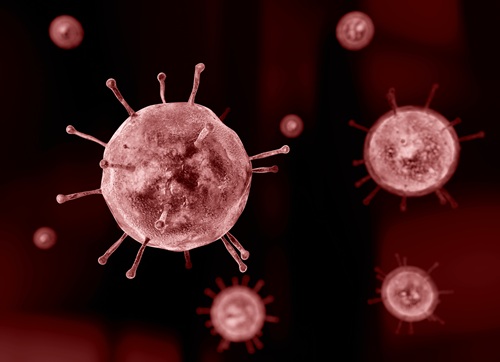
In 2025, the flu was considered particularly severe, Jennifer Nuzzo, an epidemiologist and director of the Pandemic Center at the Brown University School of Public Health, told reporters at The Washington Post.
During last year’s flu season, the CDC reported 288 pediatric-influenza-associated deaths, the highest number since the 2009-2010 H1N1 swine flu pandemic. And each year, 20,000 to 30,000 people die of the flu.
The Northeast is already feeling the surge. On the day after Christmas, New York health officials said the state experienced the highest number of flu cases in a single week since they began tracking the data in 2004.
About the Author