


Photo © Yuri Arcurs | Dreamstime.com
Summers have been getting hotter in the United States for more than a half-century, according to Climate Central, a nonprofit research and reporting organization. But the planet has never been as hot as in the past two summers — and 2026 could set another new record.
“The heat is on — and so is the smoke and haze — as millions of middle school and high school student-athletes … get set to begin the fall seasons in our nation’s schools,” the National Federation of State High School Associations declared in late July. “Throughout August, triple-digit temperatures and heat indices are ever-present in many parts of the country, and coaches, athletic trainers and other team leaders MUST take appropriate steps to ensure that practices are altered or shut down when conditions warrant. In addition, air quality has been impacted in several states by wildfires.”
That preventive advice goes for youth sports leaders, too.
At a free Norman Powell Youth Basketball Camp at Lincoln Senior High School in San Diego on Aug. 1, organizers took extra precautions to keep more than 450 campers safe during a heatwave in which temperatures hit triple digits in parts of the city.

“Some operations for the annual event were changed because of the heat by increasing the amount of ice available, adding hydration stations and setting up tents to provide shade across the … campus,” reported KNSD-TV. “Camp organizers had also planned to install outdoor misters in the school’s parking garage to provide additional cooling and shade. But, they discovered they were not compatible with the school’s water system. Instead, they relied on tents to keep parents and volunteers out of direct sunlight.”
Heat can impact outdoor practice participants, of course, but practicing in hot gyms with no air conditioning can post serious health risks, too, according to the American Red Cross, which has a first-aid app that provides instant access to information on how to handle heat-related emergencies and other first-aid emergencies.
The organization slots heat-related emergencies into three categories:
1. Heat cramps: Symptoms include heavy sweating and muscle pain or spasms. People experiencing those symptoms should stop what they’re doing, rest in a cool place and drink a cup of water (or a sports drink) every 20 minutes, American Red Cross officials recommend. Lightly stretch the muscles and gently massage the area to relieve the cramps. If they feel sick to their stomach, pause drinking. Get medical help if cramps last more than two hours or the individuals have heart problems.
2. Heat exhaustion: More serious than heat cramps, heat exhaustion includes such symptoms as heavy sweating, weakness, cool and clammy skin, muscle cramps, dizziness, fainting, nausea or vomiting. Individuals suffering from those conditions should stop what they’re doing, lie down and rest in a cool place and drink a cup of water (or a sports drink) every 20 minutes — as well as loosen their clothes and place a cool, wet cloth on their body. Seek medical help for them if they are vomiting, don’t feel better in an hour or have heart or kidney problems.
3. Heat stroke: This is a deadly condition, according to the American Red Cross, signaled by high body temperature, rapid heartbeat, confusion, headache, dizziness, fainting, nausea or vomiting. Take action by calling 911 immediately and rapidly cool the individual’s body by immersing them in cold water up to the neck. When water immersion is not possible, use ice packs, cooling towels, a cold shower or some other cooling method. If possible, the individual should sip a sports drink or water, and care should continue until help arrives.
The NFHS Sports Medicine Advisory Committee offers several educational tools to assist schools in developing a proper heat acclimatization and heat illness prevention program. Many state associations also have developed their own guidelines for dealing with heat issues and safety challenges. Find out more here.
Additionally, the committee recently updated its “Heat Acclimatization and Heat Illness Prevention Position Statement,” which contains an outline of “fundamentals” — lowering intensity and increasing the number of rest breaks, for example — intended to guide member state associations. The federation also cited research conducted this spring by an expert task force that found nearly all fatalities caused by exertional heat stroke, which is the leading cause of preventable death in high school football players (an average of three per season), occurred during sustained, high-intensity conditioning sessions the first week of practice. And nearly all (97%) of those deaths involved linemen. In response, the task force developed position-specific guidance intended “to fundamentally shift how football linemen are trained and conditioned.”

The NFHS also has distributed more than 5,000 Web Bulb Globe Temperature (WGBT) devices to schools around the country to measure heat stress in direct sunlight — combining such factors as air temperature, humidity, wind speed and solar radiation to determine if it’s appropriate to hold outdoor practices and other activities. If the device indicates a health risk, activities must be canceled, according to the federation.
As of Aug. 1, the University Interscholastic League in Texas requires all member schools to use WGBT readings to assess heat risks before and during outdoor practices and activities.
As CBS19.tv in Tyler, Texas, reported:
The mandatory guidelines mark a significant shift from previous recommendations and are intended to reduce the risk of heat-related illnesses among students participating in athletics and marching band programs. Under the new rules, schools must take WBGT readings within 15 minutes before outdoor activities begin and continue monitoring conditions every 30 minutes during practice.
The new UIL regulations also require schools to maintain rapid cooling measures on-site, including equipment capable of full-body cold-water immersion in the event of a heat-related emergency. The guidelines are based on recommendations from sports medicine and heat safety experts who advocate using WBGT measurements as one of the most effective ways to prevent heat illnesses.
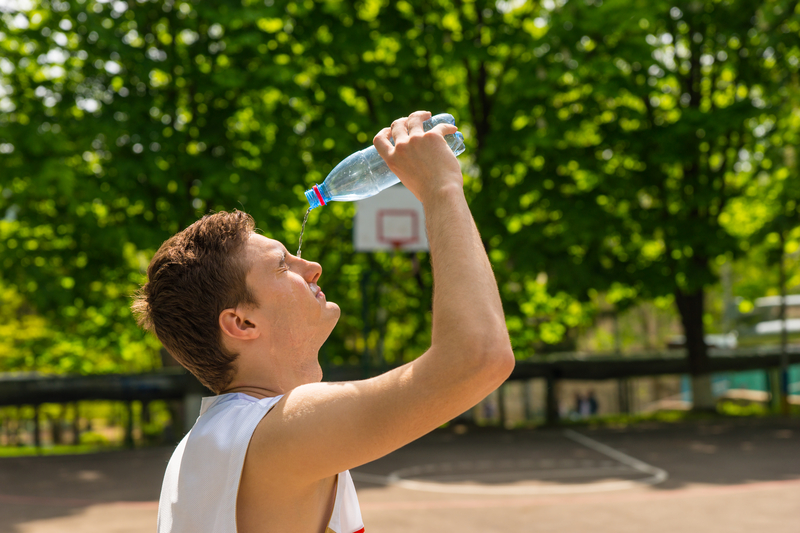
“You know, I think one of the big things for us … is the summer workouts that we’ve had,” Jeff Riordan, executive director of athletics for the Chapel Hill Independent School District in Tyler, told CBS19. “We’ve acclimated our kids very well, and just being smart … with breaks, being smart with water, … just knowing kids and how they look and how they feel, because sometimes we may not be in a wet bulb-mandated, get-off-the-field [situation, but] it’s still hot outside.”
The U.S. Centers for Disease Control and Prevention powers a Heat & Health Tracker to help monitor heat indices and other important information via a dashboard that helps users explore their community’s heat exposure, related health outcomes and assets that can protect people during times of extreme heat.
Additionally, The American College of Sports Medicine (ACSM) guidelines for risk from heat in exercise dating back to 2007 have been updated by refinements made in 2023. The 2023 set of guidelines are recommended reading for all sports event personnel. They can be accessed at this link.
Additionally, during periods of poor outdoor air quality from wildfire smoke, the Air Quality Index should be monitored.
About the Author