
A great sports event is measured by more than competition. It is also measured by preparation, communication and trust. For Auburn-Opelika Tourism, that work begins long before the first pitch, kickoff or starting whistle through a strong network of public safety and medical partners who help make the competition possible in the first place.
Those relationships are essential to the way Auburn-Opelika Tourism operates. The organization works closely with the City of Auburn, the City of Opelika and Lee County Emergency Management Agency to build an event planning approach rooted in readiness.
It also relies on strong connections with local and regional medical providers, athletic trainers and other frontline professionals whose expertise helps create an environment where athletes, parents and spectators can feel secure.
Without that support network, many events simply could not happen. This is a case study that shows how the expertise of various professional sectors can work together to build a framework for safety.
Medical support at sports events often includes onsite response teams, athletic trainers, temporary medical bays, hydration stations and support teams for endurance events. Those resources are critical, and they often make the difference between a minor setback and a major emergency. But the true value of these relationships goes far beyond responding when someone is injured, overheated or dehydrated.
Public safety and medical professionals are brought into the planning process early. They are part of the conversation before an event ever begins. That early collaboration allows everyone involved to think through the logistics that can shape the preparedness of an entire weekend.
It helps determine where medical personnel should be positioned for the fastest response time, how emergency vehicles can access venues, where temporary medical spaces should be established and what contingency plans need to be in place if weather, crowd conditions or another emergency should change the course of the event.
That preparation matters across every type of competition, but it becomes especially important in endurance sports, where the field of play stretches far beyond a single venue.
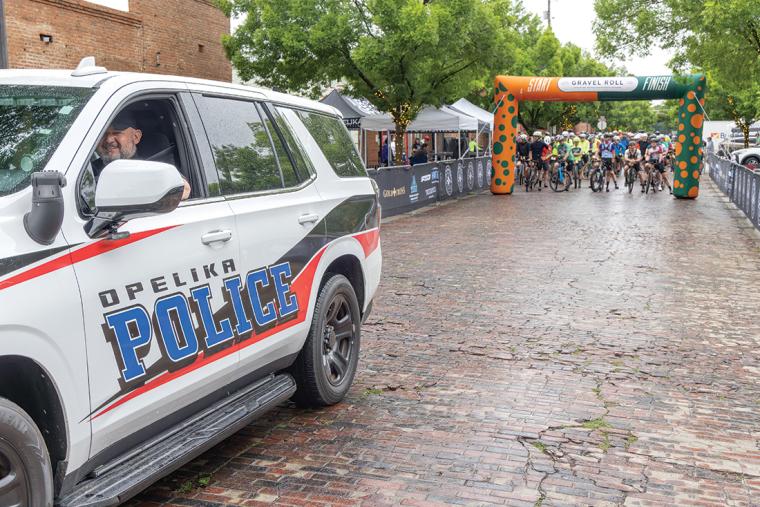
Races and long-course events require detailed coordination that includes road closures, police escorts, communications planning and medical coverage spread across miles of course. These are not details that can be solved the day of the event. They require trust, local knowledge and a willingness from every partner to work as one team.
One strong example came during the 2024 USA Cycling Marathon Mountain Bike National Championship at Chewacla State Park. The event presented a unique set of challenges. The terrain was demanding, the park had areas with weak cell service and the combination of elevation changes and dense woods made standard communication unreliable.
Before the event, Lee County EMA helped prepare for those conditions by setting up a mobile communications vehicle, raising a radio tower and helping outfit event staff with radios that could be used across the course.
That work alone improved the event’s ability to respond quickly if an emergency occurred. But the preparation became even more important when an extreme heat wave moved into the Southeast just before competition. Rather than wait and react, local safety and medical partners helped the event team adjust in advance.
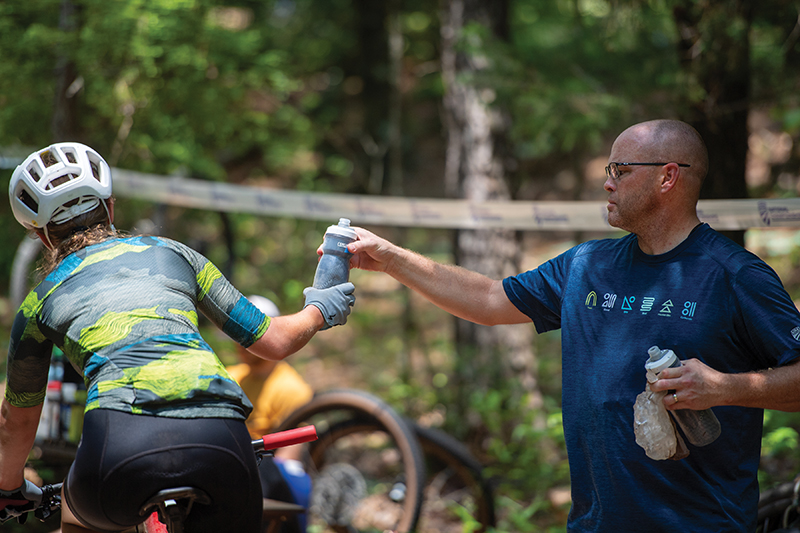
Lee County EMA played a key role in planning an earlier start time, advising on the placement and frequency of hydration stations and preparing for the types of medical issues that could arise on a hot course deep in the woods. When athletes overheated or crashed on course, the systems already in place allowed staff and responders to react quickly and keep the event moving safely.
The importance of extensive public safety becomes even clearer when an event reaches a much larger scale. A recent example was the Road to 26 international soccer friendly between Argentina and Iceland, which brought more than 85,000 people to Lee County on a Tuesday afternoon during what is typically a slower season for the community.
Events of that size do not happen without deep trust and coordination between tourism officials, public safety departments and emergency planners.
Public safety partners were instrumental in helping Auburn-Opelika prepare to welcome that kind of crowd, manage traffic flow, support emergency access and ensure the community was ready for an international event of unusual scale. Without their assistance, the destination would not have been in a position to recruit such a major event and bring it to the area.
That is what strong event support looks like. It is not only about responding when something goes wrong. It is also about building the confidence to pursue events that demand a high level of readiness from the start.
The same mindset applies across many of the events hosted in Auburn-Opelika. Whether the competition takes place inside a gym, across a complex, on a road course or deep in the woods, preparation is shaped by professionals who understand how to think ahead.
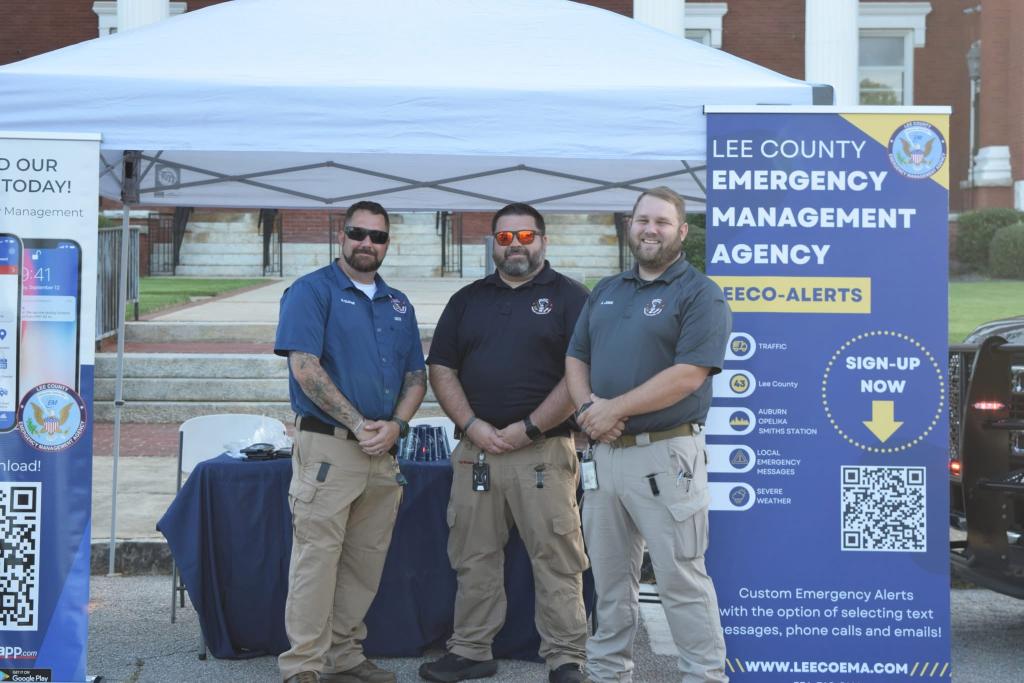
Public safety officials help evaluate traffic flow, weather risks and emergency access points. Medical personnel help assess the physical demands of the sport and the needs of the athletes. Event organizers, venue teams and tourism staff work alongside them to make sure every detail supports a more prepared experience.
Volunteers and non-certified staff members also play an important role in that effort. At many events, volunteers staff hydration stations, assist in hospitality areas and keep an eye out for athletes or spectators who may need help. Their ability to stay attentive and communicate concerns quickly adds another important layer of support.
That kind of coverage is only possible when a destination values teamwork. Sports tourism depends on close relationships. It depends on people who understand that successful events are built through collaboration, not just logistics. Auburn-Opelika Tourism has built a reputation for becoming an extension of rights holders’ teams. But in truth, that support goes far beyond 10 full-time staff members.
Because of relationships across Lee County, event organizers gain access to a much broader network of people who care deeply about doing things well. Public safety professionals, medical providers, volunteers and venue staff all share in the goal of creating an environment where athletes, families and fans can focus on the experience in front of them rather than worry about what could go wrong.
That is one of the most important parts of hosting sports events well. People remember great competition. They remember strong crowds and a memorable setting. But what allows those moments to happen is often the work done quietly behind the scenes by people who planned for the worst so that everyone else could enjoy the best. SDM
Related Organizations
About the Author