


Photo © Mary Katherine Wynn | Dreamstime.com
August is here and back-to-school shopping is upon us. (Who are we kidding? Binders and backpacks have been on store shelves since before the parades started for the Fourth of July.)
The good news here is that a recent study by KPMG shows that even though the cost of school supplies is up more than 5 percent from last year, the vast majority of parents (70 percent) still plan to enroll kids in sports.
The study points out specific parental sentiment in making these decisions:
- Parents cite children's growing interest in sports (42 percent) and physical health benefits of participation (40 percent) as the primary factors driving sports spending.
- Outdoor sports represent the largest share of school-related activities at 43 percent, with soccer the most popular (47 percent), followed by baseball and softball (39 percent).
- Thirty-two percent of children participate in extracurricular training or tutoring, and among those, 42 percent take part in sports training or coaching.
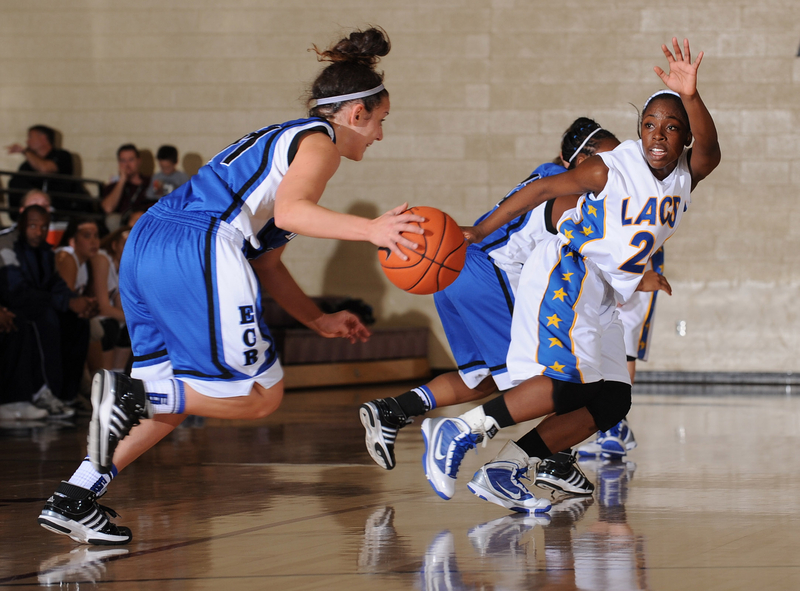
"Sports have become essential spending for American families. It's tied to a family's routine, which makes it more resilient as consumers make tradeoffs elsewhere in the back-to-school budget," said Duleep Rodrigo, KPMG U.S. Consumer, Retail & Hospitality Leader. "These aren't one-off purchases, either. If a brand can deliver, it can become the default stop for the outgrown cleats, the new jersey and the gear that gets replaced every season.”
It's not too hard to understand what drives such purchases. The ubiquity of FIFA World Cup coverage — including the viral social media sensations of the fanbase that came along with the teams — managed to work their way into the consciousness of even the most sports-indifferent person. Fanfests, tie-ins and cross-promotions enhanced the event's visibility.
Almost at the same time, the NBA Championship swept its own excitement through the country, with plenty of eyeballs on the big game between the Knicks and the Spurs. And all summer, baseball and softball have dominated the headlines, spurred on by the popularity of Banana Ball.
But while parents might be shelling out more for back-to-school and for fall sports, they’re pulling back in other areas of discretionary spending — perhaps in response to a summer of travel sports, hotel stays and restaurant visits.
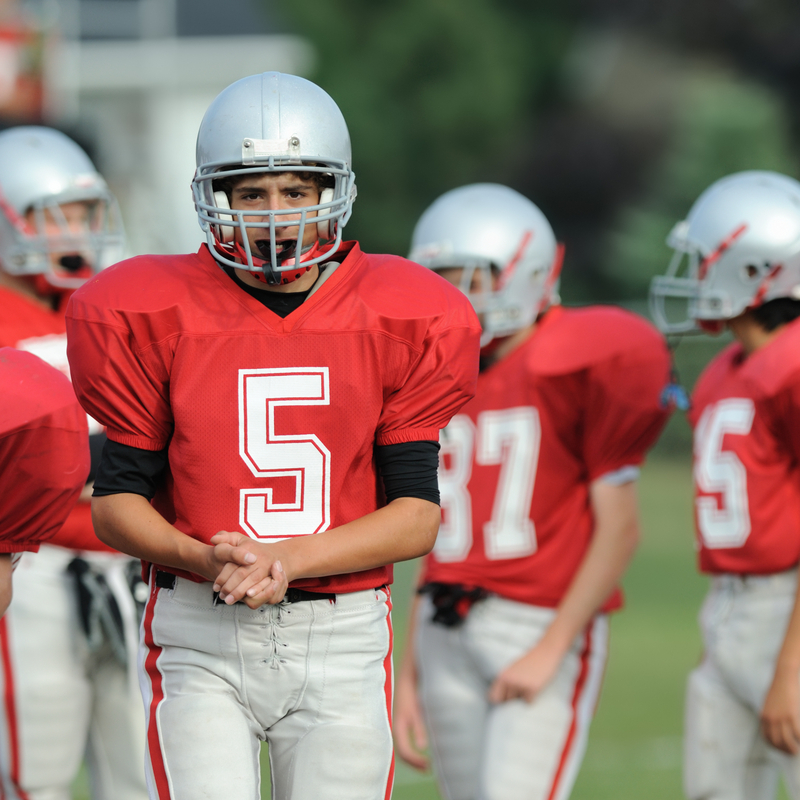
Half of respondents said they plan to dine out less frequently once school resumes, and 48 percent plan to prepare simpler weekday meals. A total of 43 percent cited home-cooked food as their preferred option for children's meals and snacks during school days.
"Back-to-school marks a reset for family spending habits,” said Julia Wilson, KPMG U.S. Principal, Consumer & Retail Strategy.
The trend of increased back-to-school spending (and earlier shopping too), was also borne out in the most recent research released by the National Retail Federation.
About the Author