

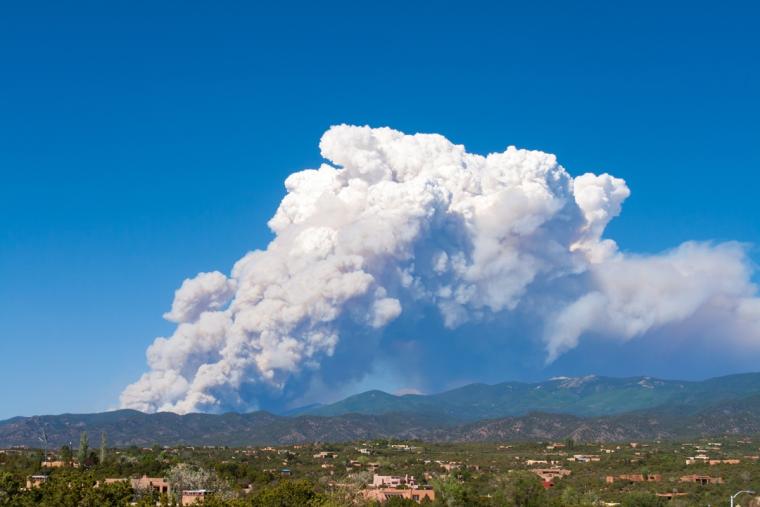
Photo © Arak7 | Dreamstime.com
As wildfires once again ravage Western states such as California and Utah, officials in Oregon have issued new guidelines for outdoor youth sports activities.
The recent update to the Oregon Air Quality Guide for Children and Youth reflects increasing scientific evidence that smoke can harm the health of children at lower levels of exposure than previously thought, according to the Oregon Health Authority. Individuals 18 and younger are considered a population sensitive to smoke, as particles in the air measuring less than 2.5 microns (known as PM2.5) can penetrate deep into the lungs and travel through the bloodstream, causing damage throughout the body.
“We fully recognize the importance of outdoor time and exercise for the physical and mental health of children and youth,” Gabriela Goldfarb, manager of the Environmental Public Health Section at OHA’s Public Health Division, said in a statement. “We offer this guide to support adults making decisions that balance those needs with the reality that children are more likely to be affected by health threats from smoke, because their airways are still developing and because they breathe more air per pound of body weight than adults.”
Here is how The Source, an independent newspaper in Bend, Ore., summarized the changes to the state guidelines:
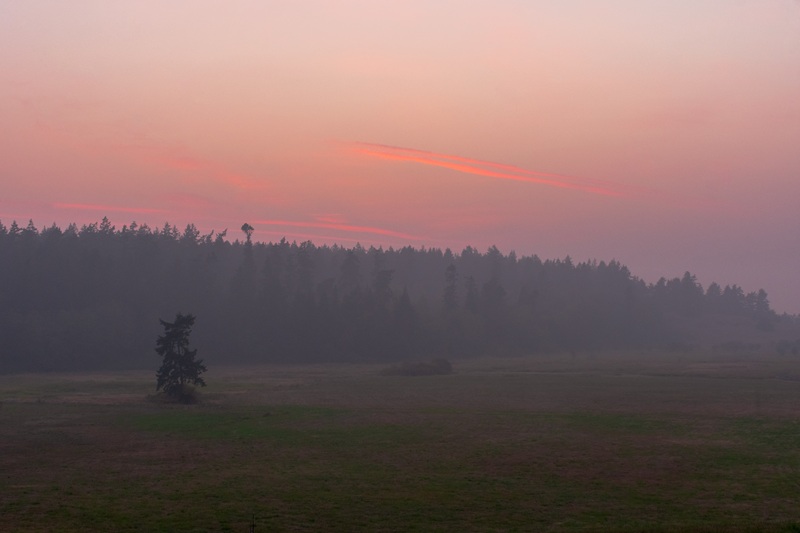
When the air quality index is between 0 and 50, or “good,” no restrictions on outdoor activity are necessary.
In the “moderate” status between 51 and 100, children and youth with underlying health conditions should be allowed to opt out of activities, stay inside or limit intensity. For activities like summer camp or outdoor school that last four or more hours, children with health conditions should move to an area with greater air quality, and all other youth should be allowed to opt out of activities or to stay indoors. The previous guide stated that “It’s a good day to be active outside” for short activities.
When air quality levels are considered “unhealthy for sensitive groups,” with an index between 101 and 150, or orange status, the health authority recommends limiting the intensity of all youth outdoor activity regardless of the duration or whether individuals have underlying conditions. The guidelines encourage schools and institutions to consider canceling or moving the event to areas with better air quality if the intensity and length of an activity cannot be changed. If an event lasts longer than four hours, the intensity of the activity cannot be lowered and the event cannot be relocated, it should be canceled.
Once air quality is considered “unhealthy,” “very unhealthy” or “hazardous” — anything higher than 150 on the air quality index — the guidance is the same: Cancel outdoor activities or move them to an area with safer air conditions. That previously only applied to very unhealthy or hazardous air quality conditions at any duration.
The guidance also recommends light indoor activity if the level of fine and inhalable particulate matter indoors from emissions such as gas, oil and diesel is “high.”
Government officials and youth sports coaches in other locales are concerned, too, about what might be the new normal during certain times of the year in specific states.
When a giant wildfire kept growing in central Utah late last summer, youth football teams canceled outdoor practices and moved inside to lift weights instead.
“
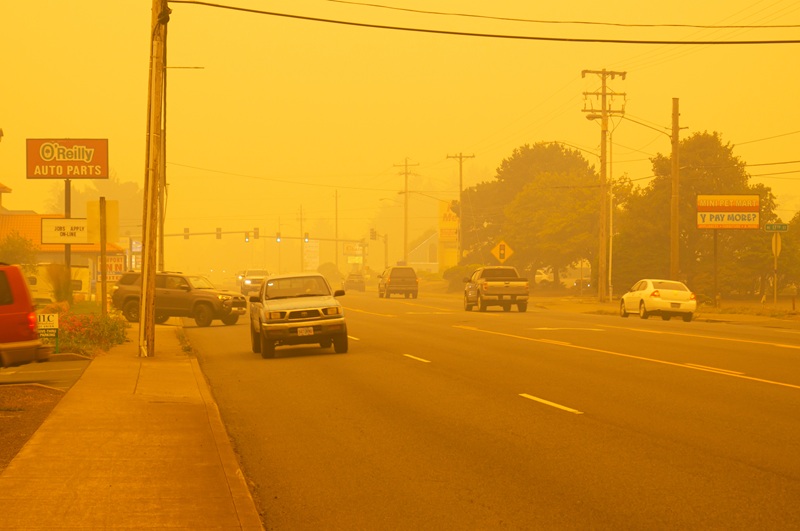
Changed plans, a minor inconvenience compared to what some people are dealing with. Just moved practices inside and do what we can do that day,” Casey Dyreng, who coached a team of seventh and eighth graders in Gunnison Valley, told Fox13Now.com, adding that players’ moms had a lot to do with that decision. “They’re concerned with their kids and their health on some of those days, and it has been significant. I’ve never experienced ash in the air and the air quality in all my years living here.”
And last summer in Canada, in the midst of catastrophic wildfire season, many youth sports leagues delayed, postponed or canceled practices and games — citing poor air quality.
“There’s a huge operational struggle sometimes to be able to coordinate and organize the sport due to the wildfires,” Héctor Vergara, executive director of the Manitoba Soccer Association, told CBC/Radio Canada last August. “The reality is that there is a safety issue with the weather conditions that we had with the wildfires, and obviously the air quality isn’t at the level we need to be in order for us to play in a safe manner, so there’s been a lot of cancellations.”
“We’re very concerned,” added Janet McMahon, president and CEO of Sport Manitoba. “I mean, that’s our number one issue: keeping people healthy, keeping people safe, keeping people active. This could have very significant long-term effects and I think we don’t really know what they are.”
About the Author