
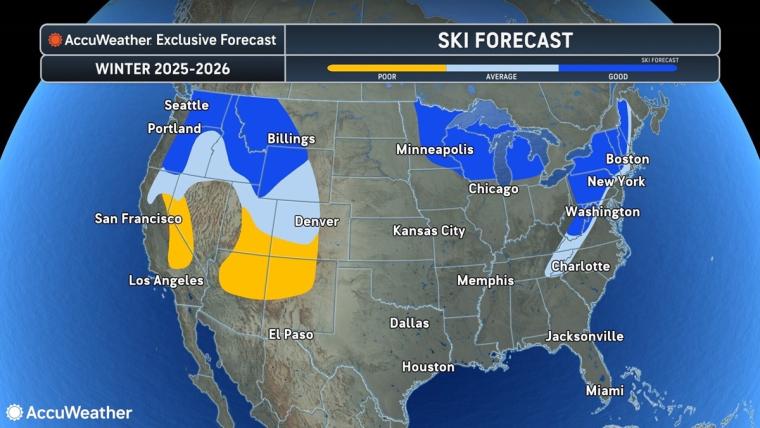
Forecast image courtesy of AccuWeather®
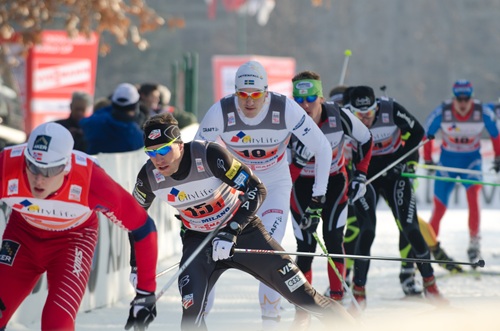
Winter sports events that take place outdoors could see some reliably good conditions – for a change.
AccuWeather® long-range experts say the best skiing and snowboarding conditions are expected during the early weeks of winter and near the end of the season at most mountains across the country.
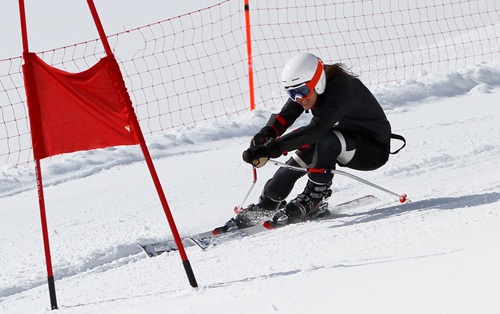
“Snow lovers won’t have to wait long for great conditions on the slopes this winter,” AccuWeather® Lead Long-Range Expert Paul Pastelok said. “Some of the best conditions are expected during the first few weeks of the season, with fresh powder, cold blasts and ideal weather to make snow and groom the trails. The heart of the season could be challenging at many mountains, with midseason thaws and long stretches with little snow.”
Event owners whose schedules are in the path of predicted storms, however, have the best chance of reaping the rewards, experts noted. AccuWeather® long-range experts first predicted what has become known as a “bookend winter” in the AccuWeather 2025-2026 US Winter Forecast, with the biggest winter storms predicted at the beginning and end of the season.
Additionally, those who are waiting for the Olympic Bounce will have good conditions for beginners or for enthusiasts returning to the mountain after an absence. Event owners will have to keep an eye on forecasts, however, when it comes to events that will draw athletes and/or spectators who will be traveling in, and who could be delayed by storms.
Northeast & Appalachians
The storm track is expected to favor an active, early winter across much of the Northeast, guiding snow and winter storms from the Midwest into the Appalachians and New England.
Bursts of cold air surging into the region in early November and again in December will help resorts build an early-season snow base before periods of an icy mix arrive in January.
A potential late-season pattern shift could bring another round of storms in February, potentially extending the skiing and snowboarding season into March at some mountains.
Midwest
AccuWeather® long-range experts say the Midwest is on track for a strong start to the season, with cold December air supporting excellent snowmaking, alongside natural snowfall.
A midseason lull could bring ice and freeze–thaw cycles, temporarily impacting slope conditions. Wintry weather should return in late January, restoring more favorable conditions.
Northwest & Rockies
Some of the best ski conditions this winter are expected across the Northwest, as well as Idaho, Montana and Wyoming, where frequent storms will blanket the mountains with a deep snowpack.
The best snow in these regions may fall before midwinter, followed by a brief quiet stretch possible in late winter, before the pattern recharges in early spring.
Southwest and California
Skiers and snowboarders are already enjoying fresh powder at several open mountains across the Southwest and California.
AccuWeather® long-range experts say snow lovers should take advantage of the prime early-season conditions because big changes are expected around the start of the new year.
"While it will be good to start in the Northwest and Northern California, it will most likely become poor by the end of January as the storm track shifts north," Pastelok explained. "High elevations may still do well in January, but lower-elevation ski areas may have problems due to higher-than-average temperatures."
One or two atmospheric rivers could deliver bursts of snow midseason, but these events are expected to bring only short-term improvements rather than set the tone for the rest of winter.
Climate Change Impacts
The trend of milder winters, more frequent rain-on-snow events and increased temperature swings will create more challenges for ski areas nationwide, especially in the eastern U.S.
“Climate change is tilting the odds away from dependable midwinter powder, toward more mixed precipitation and temperature swings. The baseline at some mountains has shifted toward more weather whiplash, rather than consistent freezing temperatures and snow,” AccuWeather® Senior Meteorologist and Climate Expert Brett Anderson said. “Highly variable winter weather can make mountain operations, snowmaking, grooming and safety on the slopes more challenging.”
Many resorts have invested significantly in advanced snowmaking systems and grooming equipment to adapt to keep up with the shifting winter weather trends.
“Resorts are adapting with denser snowmaking windows, strategic timing around cold snaps and better grooming technology. When warm spells arrive back-to-back with rain, it takes longer and more resources to rebuild surfaces,” Anderson said. “The best strategy for resorts now is being opportunistic. When cold, dry air moves in, mountains often go full throttle on snowmaking. When a thaw hits, they focus on preserving depth and protecting high-traffic slopes. Flexibility is becoming the number-one climate adaptation tool for snow sports.”
About the Author