

Photo © Joe Sohm | Dreamstime.com
Note: The following article was originally published by Running USA and is reused here with express permission. The original article can be found at this link.
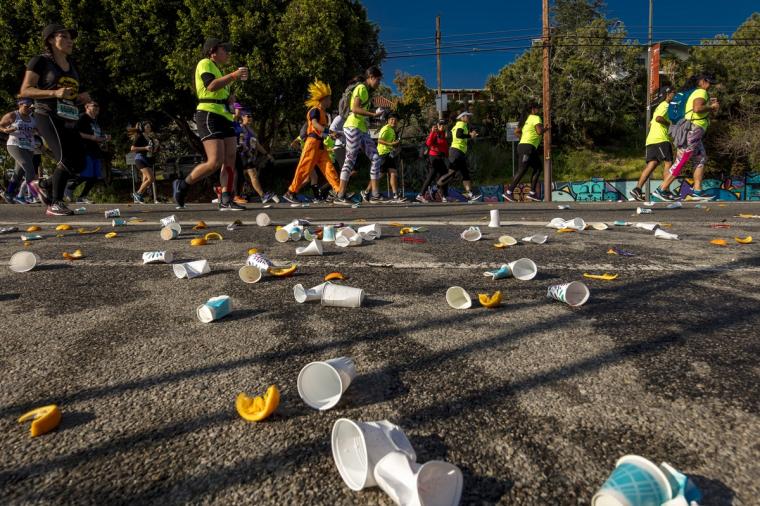
“Cups on the road”
When I am asked what I do for work, I tell them that I work at the intersection of sustainability and running.
The response is almost always, “oh, like cups on the road."
For runners, seeing hundreds…even millions, of cups crushed underfoot is one of the rare times we’re forced to confront our own consumerism directly.
For race organizers, there is a weight that sits on their shoulders.
They know that their event has to prioritize safety, performance, the runners having a good day, over the health of our planet.
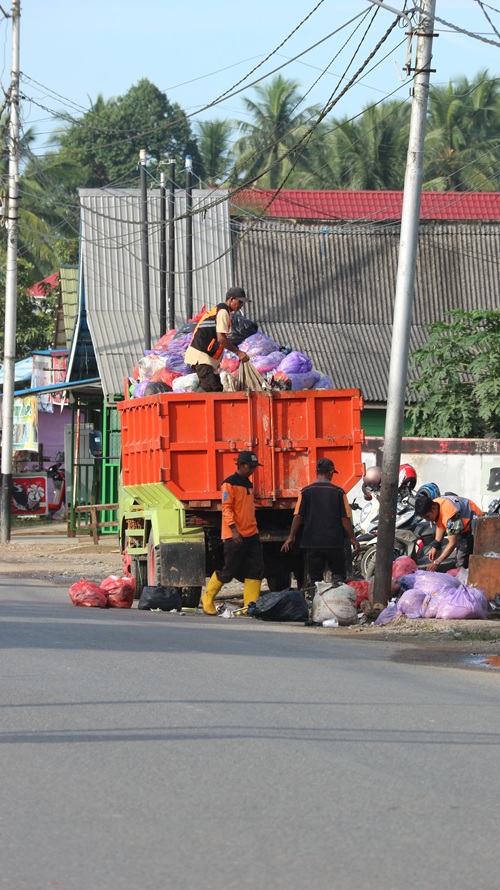
But they see the impact their event has, and know they want to do better. Know that they want to leave a legacy of something positive in this world, and watching huge volumes of waste leave their race area is not necessarily in alignment with that.
The Challenge of Measuring Impact
Measuring your environmental impact is no easy task, and is one of the biggest barriers for many race directors to begin their environmental journey.
It is one of the reasons we created Racing For Sustainability, to give race organizers a place to start, the resources to make it easy, the guides to pass along to volunteers.
Taking steps toward sustainability can feel indulgent, it’s easy to postpone (I get it!), but it’s actually future-proofing your event to grow, evolve and improve year upon year. We all know there are events that have appeared on the scene like a viral video flourishing, only to fizzle away soon after.
I know race organizers want to create something that lasts, and considering sustainability is not only going to lift the guilt that sits on your heart, but matters more than you think.
A New Era of Opportunity
With races continuing to see a running boom, the World Abbott Marathon Majors continuing to push the boundary of what is possible for a max number of runners.
Many other races selling out in record time, runners are selecting events where people they admire go and races that align with their love for community.
Gen-z participation has been discussed at length, with the 2025 Running USA Global Runner Survey confirming what other, more general research has concluded, that Gen Z runners are more likely to seek out and/or choose to enter events that support social justice initiatives, which fall under the larger umbrella of sustainability.
If your community feels welcomed, seen, and respected, your race is more sustainable for the long term.
Sustainability is not just about environmental choices. If you lose community support, your race could quickly become an event of the past. Event reputation matters to runners, especially Gen Z.
Practical Steps to Future-Proof Your Race
So what can be done to future proof your event?
You don’t need to do all of these, but selecting one of these intentional, conscious sustainable actions to start with can be a talking point for runners to share about your event, and will stand out enough to have your runners want to come back over and over:
– Work with Badges and Medals on your medals. From 100% recycled zinc alloy medals with 100% recycled plastic ribbons, to their work with Plastic Bank and One Tree Planted, Badges and Medals is putting in the work to become the leader in sustainable medals. Their obsession with quality medals that stand out will beautifully match the heart of your event
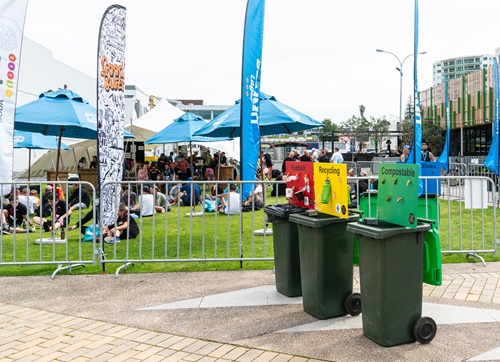
– Sorting your waste. Not glamorous, not a talking point runners will jump to, but in terms of most effective reduction of emissions, waste diversion away from landfill is the clear winner. Recycling and compost are bare minimums, but this can be expanded to include heat sheets and working with terracycle to recycle nutrition and gel wrappers. Racing For Sustainability members have a guide on how to do this, as well as printable signage to put above your bins.
– Hemp Bibs. I had the privilege of running in the first race in the US to use these (RunVirt did an amazing job), and they worked even better than I expected. My custom made test hemp bib has now run two marathons and looks brand new. This is the future.
– Find your sustainability champion. This one requires a little work if you do not have someone in mind. Sustainability works best when you have someone local who is a passionate leader, able to mobilize your volunteers to do the work on race day. If you can’t fund someone in your area, send me a message, I may be able to help you through our network of climate passionate runners.
– Compostable cups. A slight increase in cost, but worth it with how good it feels to see truckloads of compostable cups broken down into soil, over taking up space in a landfill. See if a local sponsor is interested in covering the additional cost and adding their logo to the cups.
Easy places to start, but simply doing one of these, then talking about it through your website or on your social media, can have a big impact.
Every race tells a story. Of effort, community, and care. The question is, what story will your event leave behind?
About the Author