

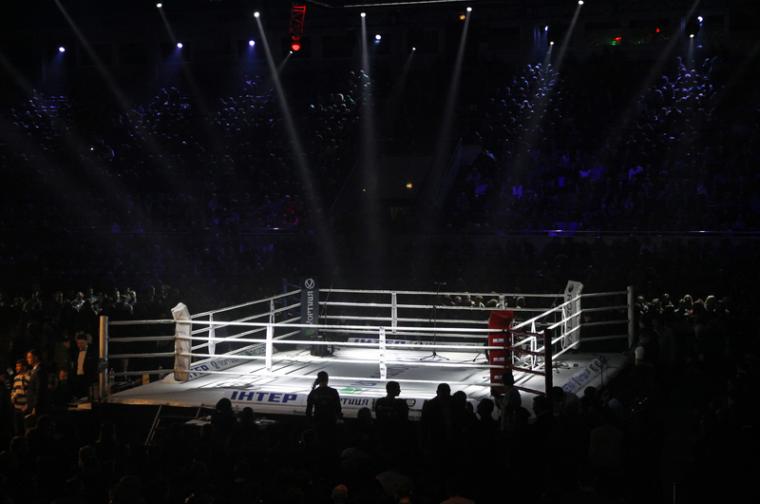
Photo © Oleksandr Prykhodko | Dreamstime.com
A little over a year ago, bare-knuckle boxing was officially incorporated as a discipline by the International Boxing Association (IBA). And since then, its growth has been nothing short of phenomenal.
Bare-knuckle boxing, which as the name suggests, is contested without gloves, has very ancient roots, although its popularity has grown in recent years due to its raw nature and appeal to mixed martial arts fans.
Boxing event owners (as well as other owners of combat sports events) who have added the new, edgy discipline to their events have been able to draw in another demographic.
And that, say the experts, is because it was already growing — just unofficially.
“For generations, bare-knuckle fighting existed in the margins,” notes Fight News.
“Bare knuckle boxing has undergone a remarkable transformation from a forgotten relic into one of the fastest-growing attractions in combat sports,” adds an article in The Ring. “Once confined to back-alley lore and regulatory uncertainty, the sport now headlines major arenas, reaches fans internationally and features an expanding roster of former boxing and MMA champions and crossover athletes who are eager to punch a ticket for a second act in their careers.”
In mid-July, the sport landed on one of the biggest stages of all in the USA, Miami’s James L. Knight Center, with an event that featured a nine-fight card.
“The event brought together top-level athletes from boxing, MMA and kickboxing on a single global stage, marking another milestone for the platform,” stated an article in Inside The Games. “Five events have been held since its acceptance by IBA, but none in the American market.”
And it was obvious the market was primed to receive it. BKB, as it is referred to, provides the edgy vibe of MMA — with a raw energy.
“Fans are drawn to a product marketed as raw, authentic and refreshingly unadulterated and uncomplicated, a form of fighting that is increasingly gaining traction in a crowded combat sports landscape,” states The Ring.
And as bare knuckle boxing continues to push further into the mainstream, more professional fighters are willing to bet their futures, and their faces, on its promise, the article adds.
The IBA says it is continuing to work on the development of BKB — and it’s not even close to being done.
“At the International Boxing Association, we have taken a deliberate and structured approach to the development of bare-knuckle boxing. Our objective is not simply to revive the sport, but to reshape it, to build a framework that ensures safety, consistency, and long-term sustainability. This begins with governance.
A sport cannot operate credibly on the global stage without clear rules, defined standards, and institutional oversight. We have established a system that provides exactly that, structured competition rules, a transparent sanctioning processes, and regulated event environments. These are not administrative formalities; they are the foundation of legitimacy.”
Meanwhile, awareness is growing via social media, says Forbes:
“The promotion's TikTok channel has been firing since the middle of April, but it has already accumulated more than 53 million likes.”
Two more yardsticks for success: Arenas are selling out and swag is moving. All kinds of swag.
BKB is not for everyone and in an already crowded combat sports landscape, keeping the public’s attention can be, well, a fight — particularly in the face of those who find it offputting.
"The public and market will decide whether they want to watch it or not," said Andy Foster, executive director of the California State Athletic Commission and a former mixed martial artist himself. "It wasn't too long ago when mixed martial arts was treated just like bare knuckle, was banned from everywhere and didn’t have regulation and was pushed underground and taken off pay per view — and look where it is now."
About the Author