

New sports emerge, new facilities are built and new athletes get involved every year, meaning the competitive landscape is always evolving. Sometimes innovation is dramatic. At other times, it is subtle, but in every case, those developments continue to reshape the industry.
What does not change is the fact that at the end of every day in a travel tournament, those athletes and their families need places to stay.
Of course, lodging itself has evolved. Properties are being built and enhanced to become more accessible and welcoming, while offering a broader range of amenities. Guests are making their preferences known, and those expectations are actively shaping the business of tournament travel.
We are seeing several new trends emerge within the tournament housing industry, and it is important for event owners to understand how they will influence demand in the years ahead.
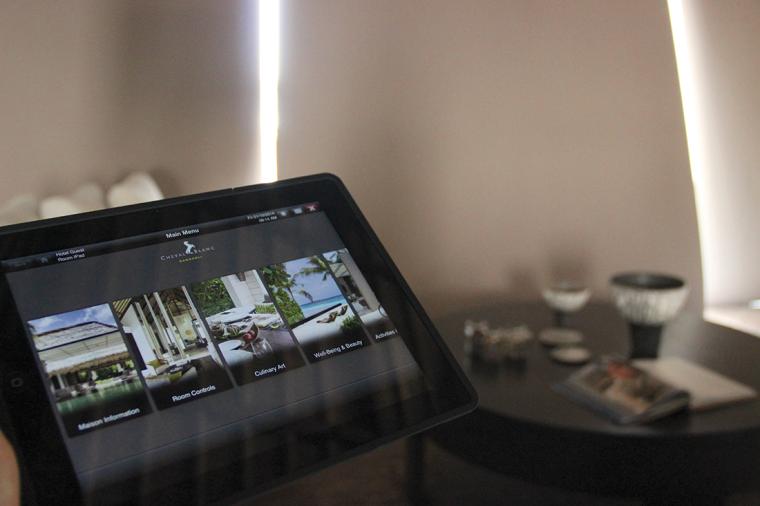
Artificial Intelligence: We are operating in an increasingly technology-forward landscape. To date, AI has largely been a buzzword in the tournament space. Too often, it has been used as sales hype rather than as a thoughtfully integrated long term solution. Even so, true AI integration should complement the hospitality sector, not dominate it.
The reason is simple. No business should want to lose its human element; however, some housing companies some housing companies lean too heavily on technology at the expense of meaningful support. Hospitality and housing are service-oriented industries. Overreliance on technology can create hollow interactions, reduce hotel conversion and strip away the experience-driven nature of tournament travel.
An event owner with a question or challenge, or a registrant using a housing company to secure reservations, will not always want to interact with automated support. They want a live person who listens, understands the issue and works toward a solution. In hospitality, it is never a matter of if something will happen. It is when. Having real human support in those moments is essential for quality control and long-term trust.
The next several years will be a defining period of development. The real opportunity lies in how businesses leverage AI responsibly while preserving the people-first foundation that this industry demands.

Penalties Being Assessed When Registrants Stay Outside the Room Block: Stay to Play, sometimes used interchangeably with Support the Sport, offers clear advantages for stakeholders and attending guests. Support the Sport emphasizes the importance of booking through contracted housing blocks to ensure each event’s success and to preserve the many benefits available to participants.
These benefits include lower overall registration costs, streamlined customer service supported by modern technology, sufficient hotel inventory during high demand weekends, protection against attrition and event cancellation, guaranteed group rates, team friendly perks and critical economic impact reporting for destination support.
However, there have always been, and likely always will be, participants who prefer to stay outside the room block. As a result, we are seeing an increase in clients enforcing compliance within Stay to Play tournaments through various fees and requirements. These approaches help ensure event success, create consistency for incoming teams and strengthen negotiations with hotel partners on behalf of participants.
Some clients offer an opt-out fee, allowing participants who require accommodations to bypass the Stay to Play policy if necessary. As noted earlier, the human element cannot be lost. Customers need to feel heard, understood and supported.
It is also important to clarify that not all events operate with a Stay to Play or Support the Sport policy. Regardless of structure, event owners partner with housing companies to create room blocks that allow registrants to choose accommodations based on criteria such as price point, brand, proximity to competition venues or airports, as well as team-friendly amenities.
Counterprogramming in the Age of the Sharing Economy: Airbnb, VRBO and similar platforms have become established forces in the lodging marketplace. It is also no surprise that some registrants prefer to book through these channels rather than traditional hotels.
In response, the hotel industry has begun expanding beyond the traditional hotel footprint. Hilton, for example, has partnered with Placemakr to create the Apartment Collection by Hilton, a purpose-built hybrid model that delivers hotel quality standards within residential style accommodations.
Rather than simply blocking rooms in apartment buildings, this platform is designed to combine the consistency, service and brand standards of a hotel with the space and longer term amenities travelers often seek.
Under this model, guests can choose from fully furnished accommodations ranging from studio apartments to multi-bedroom units, many of which include full kitchens, expanded living areas and in-unit laundry. The experience is supported by professional service teams and brand-level oversight, creating a stay that feels residential while maintaining hotel-level reliability.
This is a meaningful shift that helps bridge the gap between short term rental platforms and traditional hotels. Travelers gain the flexibility and comfort of apartment style living without sacrificing quality control, service consistency or brand accountability. We expect continued growth in this hybrid segment as major hotel brands work to meet increasing demand for both short term and extended stays.
Changes within the Housing and Event Industry: We have seen consolidation in our market as larger event companies acquire smaller ones, sometimes with housing being vertically integrated and sometimes without. As economic conditions fluctuate, that trend will likely continue.
While consolidation has reshaped the competitive landscape, particularly within larger sporting conglomerates, the expectation of delivering a high quality customer experience remains unchanged.
Customer Preferences: Some things remain constant. Traveling families continue to favor properties with two queen beds. Suites with sofa beds and kitchenettes remain in high demand. Breakfast offerings are particularly important for tournament travel, and properties that provide them are frequently preferred.
Healthier food options are in high demand, especially those that balance proper nutrition with the caloric needs of competitive athletes. Pools, restaurants, modern fitness facilities and other amenities that enhance the overall stay also contribute to positive experiences.
We have learned that when tournament participants know they will be staying in a quality property within an appealing destination, they are more likely to extend their stay. In many cases, a weekend tournament can become a weeklong vacation.
The appeal of the host city plays a significant role. Historical sites, beaches, theme parks and other attractions increase destination value. Travel trends since the pandemic have shifted strongly toward “experience-based” trips, creating opportunities for families to build lasting memories around competition.
Sports Travel Remains a Top Revenue Stream: Sports travel continues to be a powerful driver of business for hotels. During the pandemic, youth and amateur sports were among the first demand drivers to return, helping stabilize the hospitality industry during an uncertain time. Hotels recognize the long-term value of sports tourism and continue to prioritize the business that competitive events generate.
The economic impact cities derive from hosting tournaments is substantial and continues to expand year over year. Global sports tourism, valued at approximately $700 billion last year, is projected to approach $2 trillion by 2032.
What Drives a Positive Review and a Return Visit? Customers pay close attention to their experience when traveling for tournaments, and lodging is a central component of that experience. Regardless of economic status, travelers expect to find properties that meet their needs and deliver real value.
It is no longer only luxury travelers who expect a thoughtfully curated experience. The desire for meaningful, well-designed travel now spans every brand tier and price point. It is not simply about booking the highest (or lowest) nightly rate or choosing a recognizable name. It is the trip that feels intentional and seamless that remains memorable.
Today’s consumer demand is rooted in experience. Expectations have risen across the board, regardless of budget. Families, athletes and event organizers alike expect value, comfort, convenience and a sense of place. Hotels must respond creatively and consistently to meet that standard.
In the years ahead, we will likely see properties elevate their level of hospitality across all segments, not just at the top end of the market. Technology, including AI, will help enable that evolution, but it cannot replace the human interaction that defines true service.
The customer must always come first. Those who combine thoughtful innovation with authentic hospitality will define the future of tournament travel worldwide. SDM
About the Author