

Photo © Oleg Doroshin | Dreamstime.com
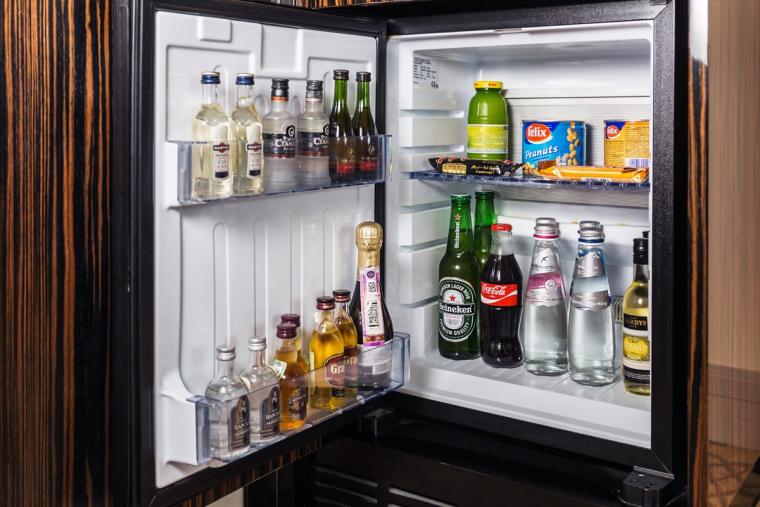
It was back in 2021 that hoteliers noted that the minibar (long a staple in hotel rooms) had declined in use but post-pandemic, were bouncing back — their regained popularity fueled by guests’ wishes to stay in their rooms to consume food and beverages, rather than going out.
Five years later, the resurgence is over. The dorm-size fridges filled with overpriced (sorry but honestly, they were) snacks and drinks are as dead as disco, though the empty fridges remain.
CNBC Sport noted minibars presented a logistical nightmare for the hospitality industry, with “restocking, food spoilage, operational costs and rampant theft all contributing to an amenity that cost more to run than it earned.”
Technology tried to streamline the process with the introduction of so-called “smart minibars” that tracked usage in real time. But the ROI was modest at best, the article noted.
Instead, hotels instituted modern alternatives: in-lobby marketplaces that offered either contactless payment, or were monitored by front desk staff, as well as strategic partnerships with delivery apps.
The article states, “Wyndham teamed up with DoorDash in 2019, offering $0 delivery fees and 2,000 sign-up points at its more than 3,700 U.S. locations."
"Marriott and Uber began their partnership in 2021, letting guests earn hotel points when ordering with Uber Eats from designated hotels. In 2024, Hilton named Grubhub its go-to delivery service, giving guests perks like a free month of Grubhub+.”
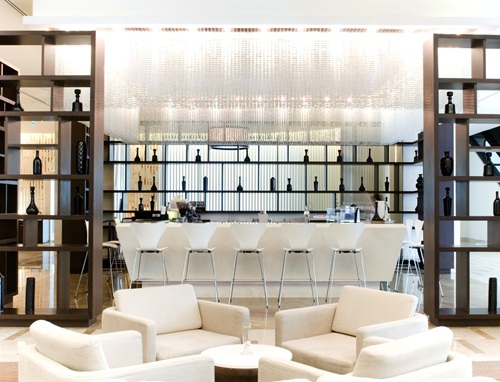
Sports parents, meanwhile, appreciate the growing presence of in-house lobby bars where they can unwind from travel, or after a day at the competition venue, and catch up with the parents of their children’s teammates without wandering too far from where the kids are.
Notes the blog, Traveller, hotels saw guests do all manner of things to get around paying for items in their minibar:
“They drink the contents of the miniature Scotch bottle and replace them with weak tea. Water will do fine for the vodka. The Toblerone? Slit open the box with care and you can put it back empty. If the item appears on the guest's bill at check-out, "That wasn't me, honest, must have been a previous guest did that." And no front-desk receptionist wants to have a "yes you did, no I didn't" stand-up barney with a departing guest.”
A post on social media referenced the exorbitant cost of items in the little fridge, noting, “I am 32 years old and still deeply terrified that consuming anything from the hotel room minibar will bankrupt my entire family somehow.”
The cost of items in minibars became almost a joke among those who traveled; Reader’s Digest notes, “Who could forget the infamous scene in the Las Vegas episode of Friends where Rachel takes macadamia nuts from the minibar in Ross’s hotel room and spits them out without eating them, to get back at him for pranking her?”
But other factors came into play as well. Guests realized they could push aside some of the expensive contents of their fridge and use the space to store their own beverages or snacks, purchased more affordably in local stores.
The fact that in many cases, hotels had soft drink and vending machines on each floor – with items costing far less than the ones in the fridge – also lowered the profit margin.
Both trends not only defeated the purpose of the minibar, they took dollars away from in-house restaurants and bars, as well as in-room dining. Hotels were chagrinned to see their own amenities working against them.
Another concern, more serious than the others, was the fact that by staying in hotels with in-room minibars, minors were able to access alcohol.
Parents, as well as members of 12-step group members like Alcoholics Anonymous, began calling hotels in advance (or asking at check-in) about having all liquor removed from their minibar.
Suddenly, the amenity was a cumbersome millstone around the neck of restaurant management again and liability concerns were surfacing. Phase-outs began. This time, they lasted.
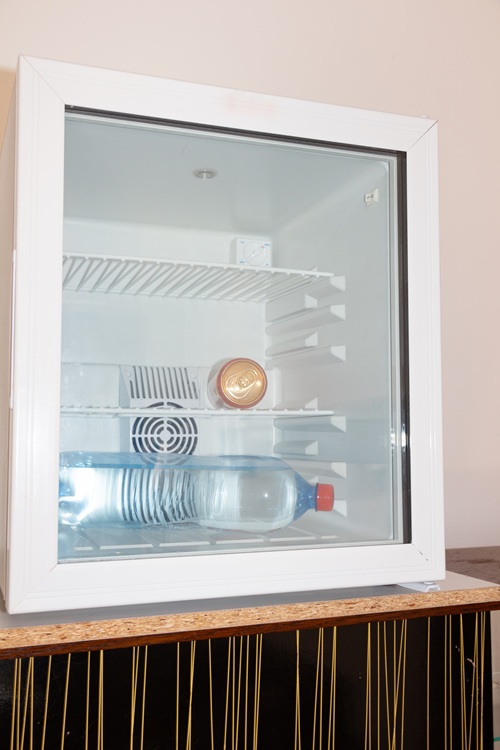
These days, families traveling to tournaments appreciate the fact that many hotels have left, in place of the minibar, simply a small empty fridge which, as it turns out, is perfect for storing sports drinks, water bottles and even boxes containing leftovers following a big meal at a restaurant.
While luxury accommodations, particularly in international destinations, might rely on the minibar to up the guest experience, it’s safe to say that stateside, where sports travel is concerned, the amenity has outlived its usefulness.
About the Author