

Photo © BiancoBlue | Dreamstime.com
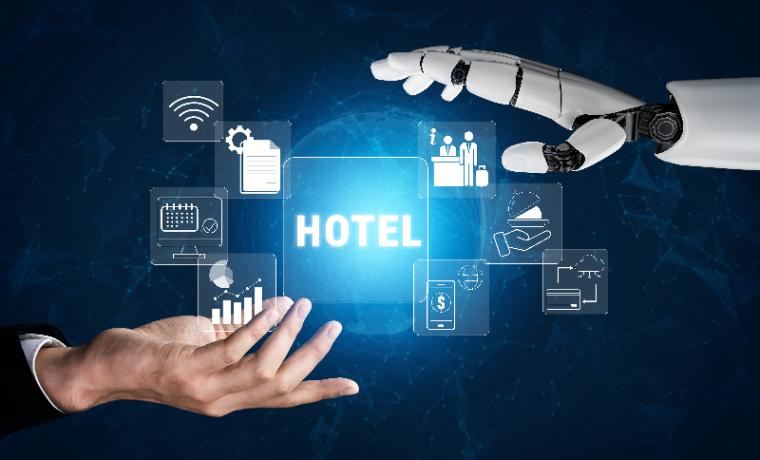
Is AI coming for hospitality jobs? It really depends on who’s asking — and on who’s giving the answer.
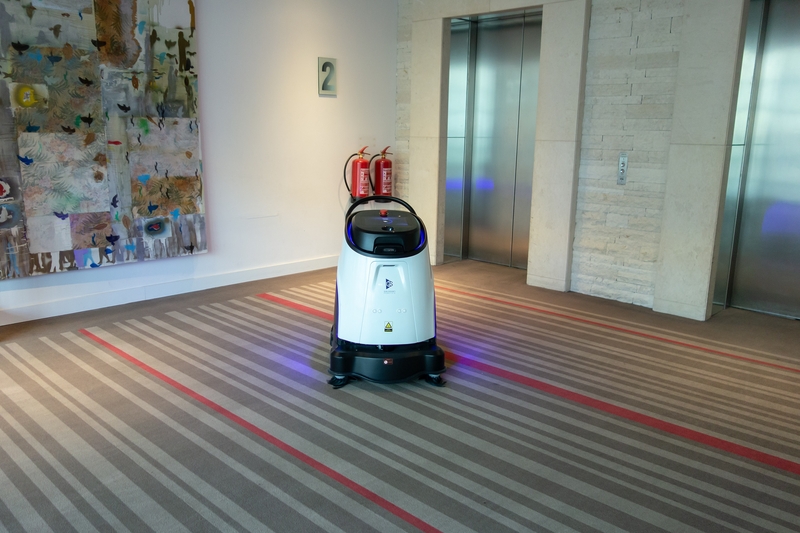
The bottom line: Whether anyone likes it or not, robotization is permeating the industry. Here are some of the places it is predicting to replace human jobs, according to Hospitality.Net:
- Housekeepers
- Porters
- Luggage Handlers
- Concierges
- Security Guards
- Line Cooks
- Room Service
- Bartenders
- Waiters in Onsite Restaurants
To create a one-city model, economist Mike Pequeen from Hightower Las Vegas studied a report by RCG Economics and highlighted the potential impact in conversations with the local NBC affiliate, stating, "Right now, we have a little over 300,000 people employed directly in the hospitality industry in Southern Nevada. According to this report, somewhere between 77,000 and 92,000 of those people could have their jobs at risk in the next few years based on the development of AI and automation."
The RCG report indicates that AI remains attractive to large resorts, which generated $17.8 billion in wages and $1.5 billion in health benefits in July. And robots, which work 24/7 and don't call out sick, offer a cost-effective alternative.

"The motivation of an employer to use robotics and or AI in their business is to increase their profits. Human beings are expensive," Pequeen said.
The NBC news item further noted that “women stand to be more impacted by the infiltration of AI into the hospitality sector than men, with the Kenan Institute of Private Enterprise reporting that eight out of 10 women occupy jobs highly exposed to AI automation, compared to six out of 10 men.”
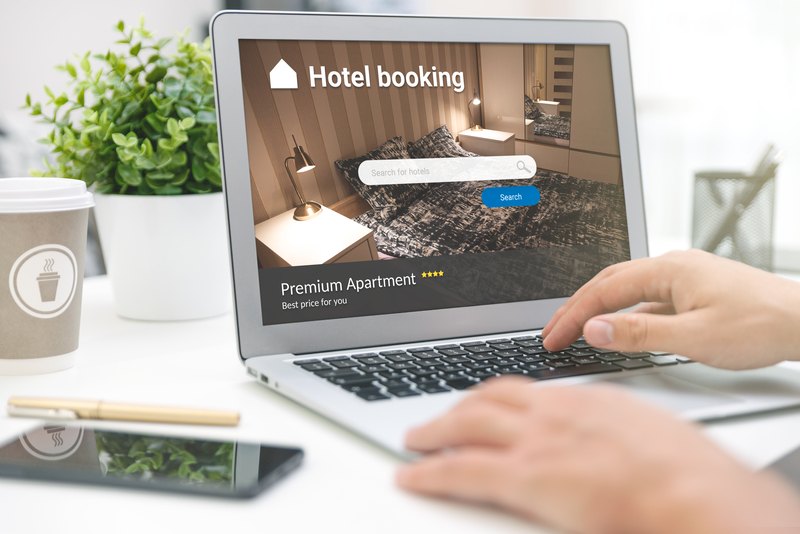
AI is already at work, powering online reservations platforms used by hotels, with self-service kiosks onsite in hotel lobbies where guests can enter a credit card and be given room keys.
Additionally, Hospitality.Net notes, “Many marketing-related tasks (e.g. social media communication, developing draft promotional materials and marketing plans, etc.) could be automated with generative AI.”
Unfortunately, the service does tend to let some requests slip through the cracks; among the most often misrepresented are those pertaining to requests for special accommodations for guests with medical needs or mobility impairments, where users indicate they have asked for specific items in rooms, only to check in and find themselves in accommodations that fail to fill their needs.
Additionally, the article above notes, “an increasing amount of accessible travel content is being written by artificial intelligence software. Unscrupulous businesses are using LLMs like ChatGPT to populate their websites with content, seeking out clicks and paying no mind to the quality of what they are publishing. Many businesses in the disability space, including adapted van dealers and mobility equipment suppliers, are engaged in this activity — publishing AI-generated accessible travel stories that bear little relationship to reality.”
At the end of the day, says Hospitality.Net, hotels and their operations cannot lose sight of the personal touch that guests long for when they check in.
“Hospitality is, and always will be, fundamentally human. The warmth of a genuine smile, the intuition of a well-trained team member, and the empathy behind every thoughtful gesture are irreplaceable pillars of guest satisfaction.

While technology continues to advance, offering tools to streamline operations and personalize experiences, it cannot replicate the heart and soul of true hospitality. Sentiment analysis, AI-driven insights, and automated processes can assist, but they lack the spontaneity and warmth that only human interaction can deliver.
The role of technology is not to replace people but to empower them—freeing up time, providing actionable insights, and enabling teams to focus on delivering authentic connections. A fulfilling guest journey begins with an empowered employee journey. When teams are supported with the right tools and training, they can create seamless, memorable experiences that drive loyalty and operational success.
At its core, hospitality is about making people feel seen, valued, and cared for. This is a uniquely human gift, and technology should remain an enabler — not a substitute — for it.”
About the Author