

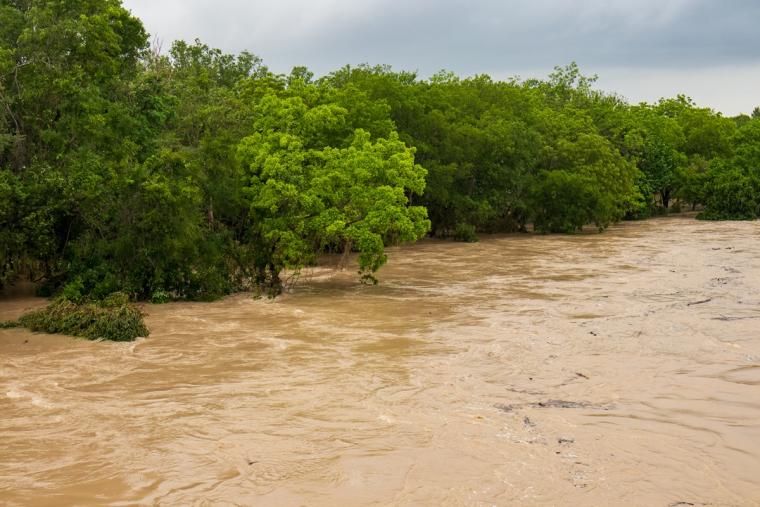
Photo © Brigitte Thompson | Dreamstime.com
The nation was shocked out of its Fourth of July revelry by the news of major flooding in the Texas Hill Country. The Guadalupe River rose 26 feet within 45 minutes, according to state officials, causing a wide swath of destruction and death, including the heartbreaking case of children at a summer camp.
Rescue and recovery efforts continue and in some areas, cleanup has begun. Here’s how to help those who are stranded in shelters or in damaged homes – and how to help those who are trying to assist them.
The Kerrville, Texas Convention and Visitors Bureau provided some suggestions:
- The Kerr County Flood Relief Fund: This fund was set up by the Texas Hill Country Community Foundation to help the victims of the July 4 floods. Monies donated to the fund will be distributed to organizations that provide flood assistance, rescue efforts, and relief efforts. The communities supported through this fund include Hunt, Ingram, Kerrville, Center Point, and Comfort. You can make a donation here.
- GoFundMe verified fundraisers: GoFundMe has set up a landing page featuring fundraisers that have been verified by the platform’s Trust & Safety experts. A list of verified fundraisers for the July Texas floods can be found here.
- Kerrville Pets Alive: People aren’t the only ones affected by the flooding; animals have been, too. Kerrville Pets Alive is accepting donations that will help buy supplies for homeless pets in the area. You can make a donation here.
CBS News has provided some additional sources:
- TEXSAR: The Austin-based nonprofit specializing in emergency response has deployed swiftwater rescue teams, boats, drones and search dogs to aid in the search for the missing. The group is aiming to raise $100,000 to sustain its efforts. Donations can be made online for those who are not local.
- Texans on Mission: The North Texas-based group is accepting financial donations as they travel to Central Texas.
The Texas Association of Convention and Visitors Bureaus (TACVB) and the Texas Travel Alliance also suggested the following:
- Support local organizations actively assisting in relief efforts, including Austin Pets Alive.
- Donate to Texas Association of Campground Owners' (TACO) Disaster Relief Fund

Another donation option is World Central Kitchen: The nonprofit, founded by chef José Andrés, has a team on the ground in Kerrville providing food and water relief. Visit WCK.org for details on making a donation and to follow for updates.
A few pieces of advice shared by officials include the following:
Don’t Go There: Yes, everyone wants to load up their cars and trucks with baby wipes and bottled water and make tracks for the Hill Country but officials are pleading with would-be helpers to stay home. Volunteers, no matter how well intentioned, only hinder the rescue effort since cars and trucks become mired in mud and floodwaters, leading to even more emergency calls. Dropping off items at a local Red Cross or other organization is not recommended either since roads to the affected area are impassable and flights are limited.
This article about the items good-intentioned people have donated in the wake of natural disasters (like stuffed animals, half-used items from medicine cabinets, dilapidated shoes and even formal clothing) reinforces this message. The term among the good-hearted became “purging with a purpose,” but the reality of doing so quickly became evident since many donations were unusable by victims and rescuers. (For example, one official in charge of relief efforts in Oklahoma described a flurry of post-tornado donations as a “yard sale dump.”)
Instead, experts say, people should give money to groups they trust, which have the ability to provide the aid that is needed, where it's needed most.
Support Honest Charities: Unfortunately, caution is needed when donating to storm-related charities. So-called storm chasers looking to capitalize on the disaster may launch crowdfunding appeals, send emails, post on social media or even go door to door. The following resources are available to check the veracity of these collectors:
- Charity Navigator is a resource that vets charities and provides information on whether or not campaigns are legitimate; it currently has a helpful page of verified outlets that can receive monetary contributions for the Texas floods.
- Those who see a suspicious campaign can now report it to the BBB Scam Tracker.
- Federal Emergency Management Association (FEMA) has a Disaster Investigations and Inspections Division, with contact information here.
- The U.S. Cyber & Infrastructure Security Agency also has resources related to phishing emails and other electronic communications.
Additionally, the State’s Attorney’s Offices in impacted areas are good resources.
About the Author