

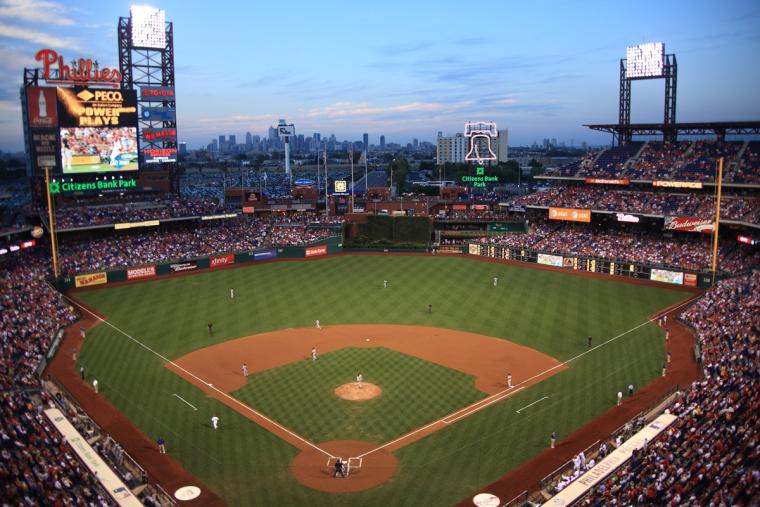
Photo © Ffooter | Dreamstime.com
In Major League Baseball, fans expect the ballpark experience to feel just as polished in the middle of a long summer homestand as it does on Opening Day. From spotless seats and gleaming concourses to pristine restrooms and perfectly maintained grounds, maintaining that standard over the course of a 162-game season takes constant coordination and operational discipline.
While fans focus on the action between the lines, facilities teams work around the clock to keep stadiums safe, clean, efficient and ready for millions of visitors throughout the season.
That challenge is becoming increasingly complex as stadium operators balance fan expectations, sustainability goals and evolving technology, priorities now shaping partnerships like the Philadelphia Phillies’ recent facilities modernization efforts at Citizens Bank Park.
Unique in Complexity
MLB stadiums vary significantly in scale, from intimate historic venues to large modern multi-purpose facilities. Total facility/building square footage (including seating, concourses and suites) often ranges in hundreds of thousands to over a million square feet per stadium.
Although they have standardized infield dimensions, they are highly variable in outfields, seating and architectural features. This complexity stems from balancing baseball-specific needs (asymmetric play surface, sightlines) with modern engineering, economics and entertainment demands.
From a facilities perspective, each stadium is unique in design, cost and operational complexity. These unique characteristics mean there is no one-size-fits-all solution. Each stadium requires a customized approach with detailed, account-specific playbooks.
As teams look for new ways to meet rising fan expectations while improving operational efficiency, many organizations are investing in technology-enabled facility management strategies.
Phillies Embrace Integrated Facilities Technology
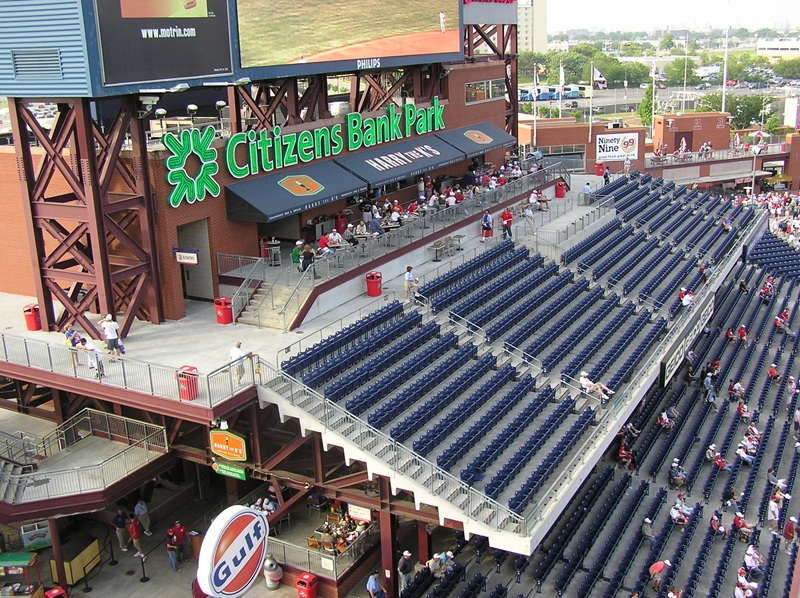
The Philadelphia Phillies recently implemented a more integrated, technology-enabled approach to facilities maintenance at Citizens Bank Park. The initiative includes ABM Performance Solutions (APS), a platform designed to improve operational visibility, enhance service delivery and provide real-time performance insights across the 40,000-seat ballpark campus.
The timing is especially significant as Philadelphia prepares to host the 2026 MLB All-Star Game presented by Mastercard during America’s 250th anniversary year, placing both the ballpark and the city on a national stage.
By combining engineering, maintenance and cleaning operations into a more coordinated approach, stadium teams can respond more quickly to issues, improve consistency across the venue and better support the fan experience throughout a long MLB season.
At Citizens Bank Park, ABM has deployed a dedicated, trained workforce supported by advanced tools and operational planning designed to help maintain the ballpark for years to come.
Proactive Planning for a Long Season
Maintaining a Major League Baseball stadium over the course of a long season requires constant coordination, flexibility and attention to detail. From homestands and concerts to weather disruptions and special events, operations teams must continuously adapt while keeping the fan experience consistent.
Behind the scenes, that work includes strategic planning, equipment maintenance, repairs, staffing and safety training designed to keep venues operating efficiently from Opening Day through postseason play.
In a typical MLB stadium, numerous overhead structures require specialized maintenance. Roofs, scoreboards, video displays and lighting systems often require elevated work using scissor lifts, boom lifts, or cranes, making safety training especially important. Teams must also be trained on proper disinfecting procedures, Personal Protective Equipment (PPE) and operational best practices to maximize efficiency throughout the season.
Seasonal hiring is another major part of stadium operations. Just like a ball club carefully builds and adjusts its roster throughout the year, facilities teams also bring in additional talent to help maintain high service standards during demanding stretches of the schedule.
In this fast-paced environment, staying ahead of curveballs is critical. Rather than reacting to problems as they arise, the focus should be on identifying ways to be just one percent better each day. That steady progress can make a major difference when adapting to unexpected challenges, whether it is severe weather, scheduling changes, equipment issues, or supply chain disruptions.

Proactive planning, real-time communication and strong coordination across teams help stadium operations run smoothly throughout the season while maintaining the high standards fans expect every time they enter the ballpark.
Maintaining the Opening Day Feel, All Season Long
Keeping that “Opening Day fresh” feeling all season long requires a nearly round-the-clock approach to facilities maintenance. From nightly deep-cleaning routines to rapid turnarounds between games, facilities teams work tirelessly to keep venues fan ready:
- Deep cleaning: Floors, glass, restrooms, concessions, suites and luxury areas.
- Detail finishing: Pressure washing, disinfecting and polishing for that "wow" first impression.
- Restroom prep: Stocking supplies, thorough sanitization and ensuring high-capacity functionality.
- Waste management and sustainability: Composting, recycling setups and creating green practices.
Sustainability in Play
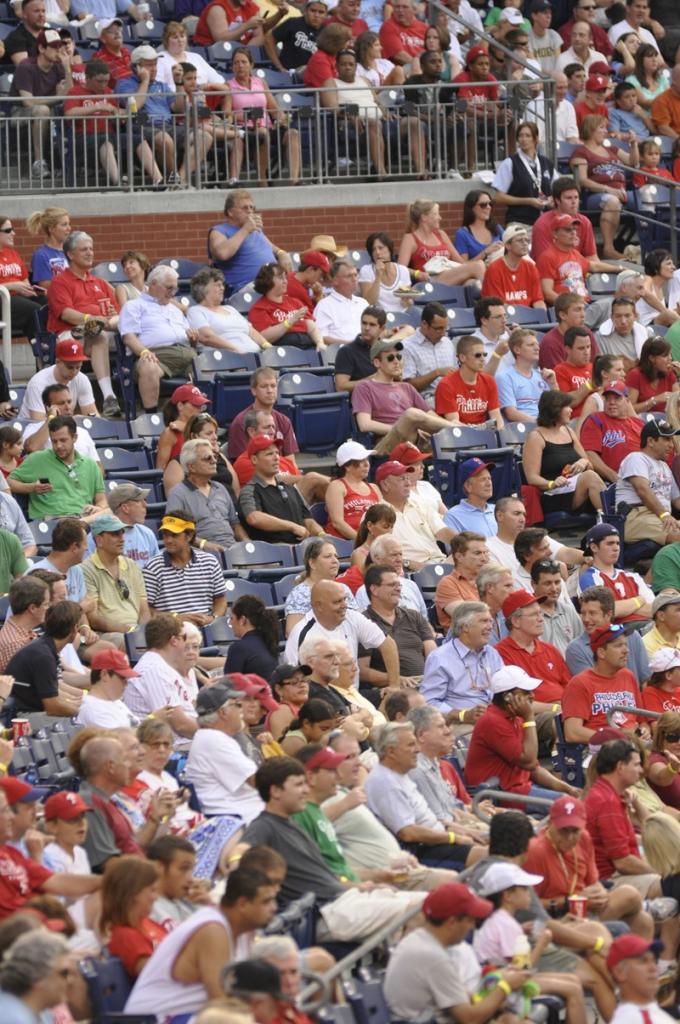
Beyond maintaining cleanliness and day-to-day operations, sustainability has also become an increasingly important priority for MLB stadiums.
Sustainability is a priority for both MLB and fans alike. Identifying every possible efficiency contributes to cleaner, greener operations. Even though these venues create a tremendous amount of waste per event, much of it can be diverted from landfills through sustainable waste management practices.
Smart water conservation practices, such as using reclaimed water for irrigation, leveraging connected sensors, filters and pumps, and using low flow fixtures, all contribute to reduced consumption. Even the smallest steps, like transitioning to LEDs and training staff on facility personnel and stadium employees to turn off lights go a long way to cut energy.
The sizable footprint of these stadiums is ideal for installing solar panels. Supplementing with offsite arrays can further reduce greenhouse gas emissions and even send some power back to the grid.
The Future of Stadium Operations
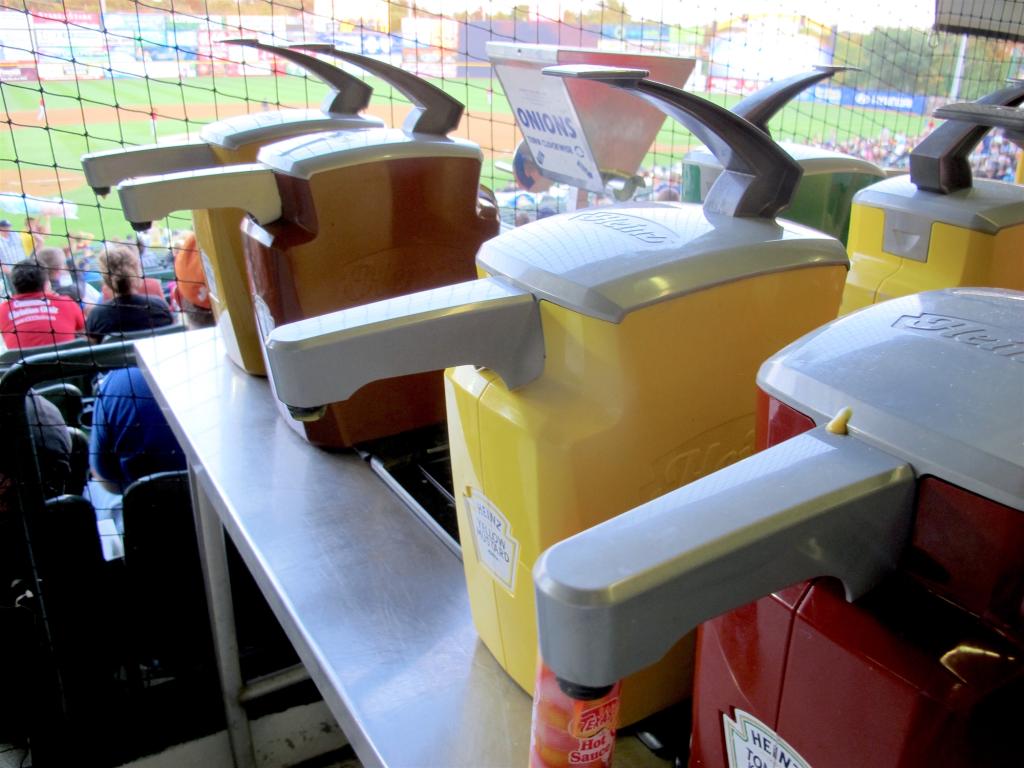
The future of stadium operations is increasingly driven by smarter, more connected technologies.
Real-time communication tools, predictive maintenance systems, mobile platforms and data-driven scheduling are helping operations teams respond faster, improve efficiency and maintain consistent service throughout the season.
However, the goal is not to replace people; it’s to equip them with better tools to deliver a higher-quality fan experience.
Keeping stadiums “Opening Day fresh” requires more than cleaning crews and checklists. It takes year-round planning, skilled personnel, smart technology and a relentless focus on the fan experience.
From the first pitch of April through the final out of postseason play, the goal remains the same: delivering a ballpark that feels just as memorable during a pennant race in September as it did on Opening Day.
About the Author